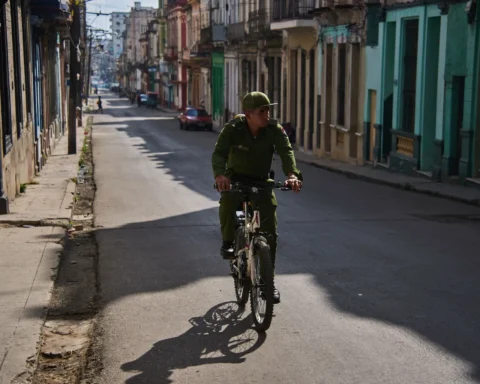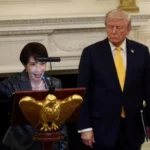
According to Der Spiegel, Havana is increasingly taking Washington’s rhetoric seriously. After President Donald Trump suggested the possibility of “taking control” of Cuba, officials on the island began openly discussing the risk of a military scenario.
Deputy Foreign Minister Carlos Fernández de Cossío, speaking to U.S. media, avoided softening his language: ruling out American aggression would mean ignoring reality. At the same time, he stressed that Cuba has no intention of accepting the role of a dependent state. According to him, the military is not just speaking in general terms — concrete preparations are already underway.
Blackouts as a Symptom of a Deeper Problem
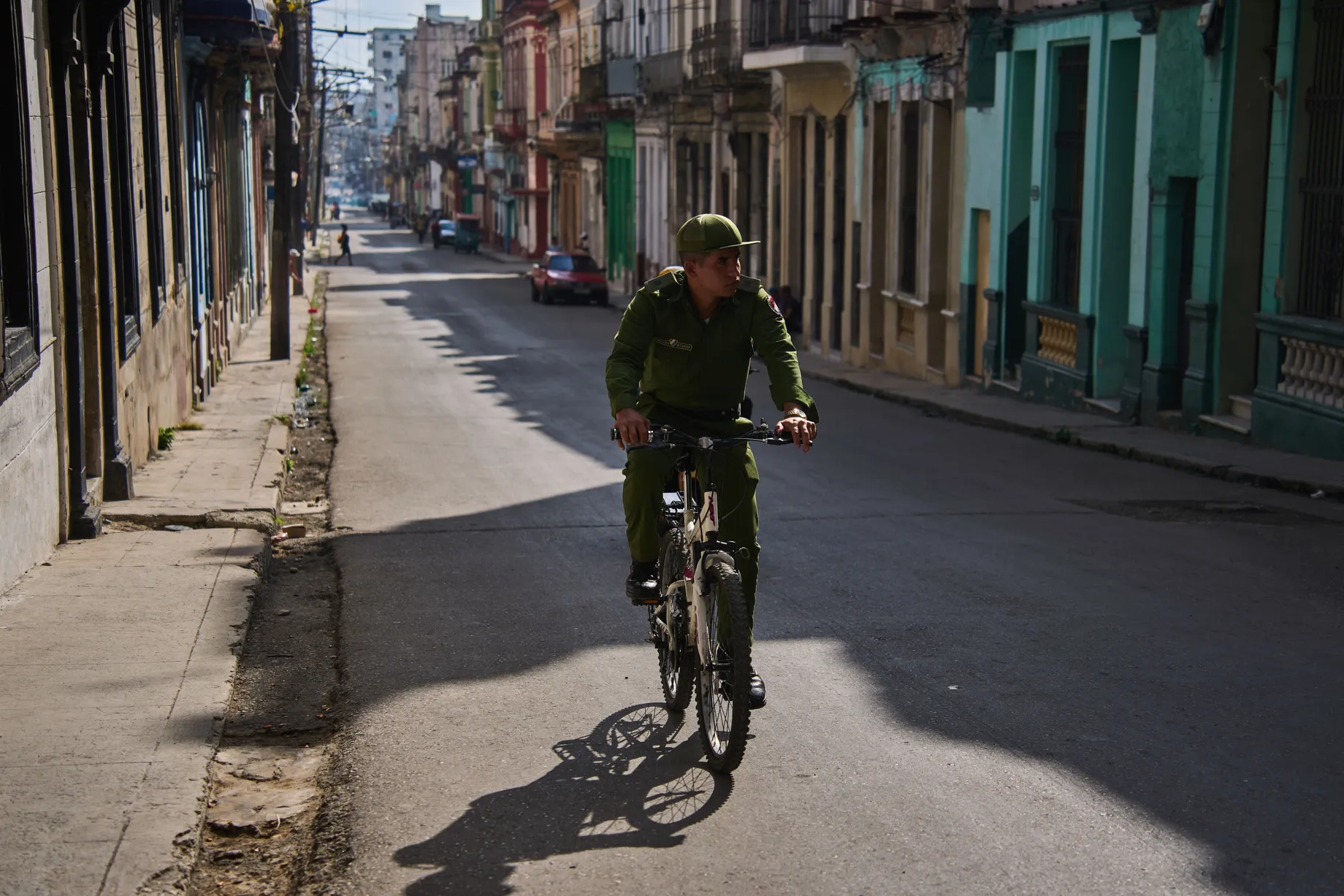
Yet a far more immediate threat for the Cuban authorities lies within the country itself. In recent days, the island has experienced two large-scale nationwide blackouts. While officials say the power system has been restored, the situation appears more like temporary stabilization.
The root cause is aging infrastructure. A failure at a single power plant triggered a domino effect, effectively bringing down the entire system. Authorities acknowledge that even after restoration, electricity generation still falls short of demand — meaning further outages remain likely.
Break with Venezuela Hits a Critical Nerve
Cuba’s economic problems have been building for years, but the situation has now sharply deteriorated. The country has lost regular oil supplies from Venezuela — effectively its main energy lifeline.
After the country’s leader, Nicolás Maduro, fell under U.S. control, previous supply arrangements collapsed. Additional pressure comes from Washington’s stance: any third country attempting to supply oil to Cuba risks facing sanctions.
Russia Re-emerges as a Key Factor
Against this backdrop, Russia is becoming increasingly prominent. The Kremlin speaks cautiously of “possible forms of assistance,” without disclosing specifics. However, actions on the ground are already visible.
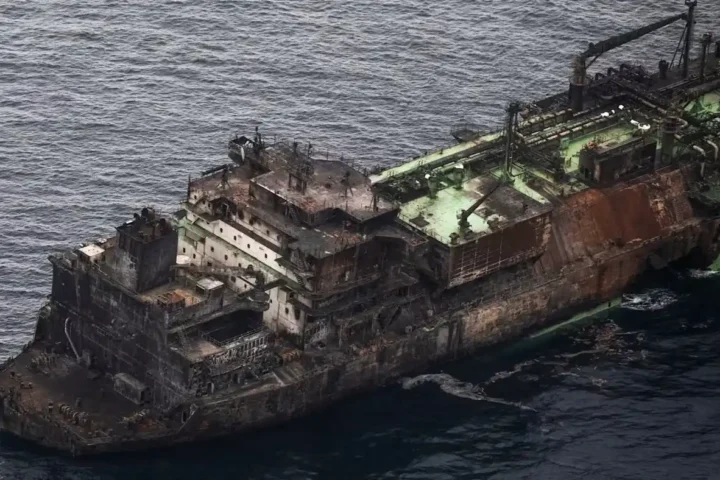
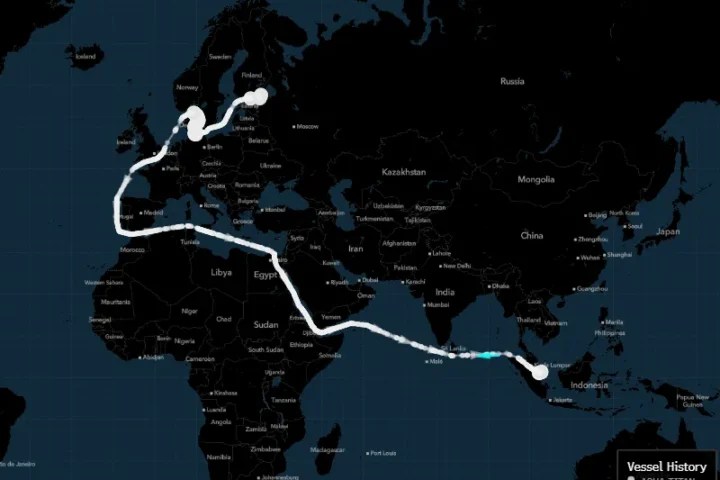
According to tracking services, at least two tankers carrying Russian fuel are heading toward Cuba — one with diesel, another with crude oil. These shipments involve hundreds of thousands of barrels, suggesting not symbolic support but an attempt to fill a critical supply gap.
Equally important is the context: these deliveries are taking place despite ongoing restrictions. Although the U.S. has partially eased sanctions on Russian oil amid rising global prices, routes to Cuba remain highly sensitive from a sanctions standpoint.
In effect, Moscow is once again becoming a kind of “backstop” for Havana — echoing, albeit in a different form, the role it played during parts of the Cold War.
At the Crossroads of Crises
Cuba now finds itself facing multiple overlapping challenges:
— external pressure and increasingly harsh rhetoric from the United States;
— an internal energy breakdown;
— deepening economic shortages;
— and efforts to rebuild a support system in which Russia is once again playing a central role.
This combination makes the situation particularly unstable: even without a military scenario, the country is already under severe systemic strain.
This article was prepared based on materials published by Der Spiegel. The author does not claim authorship of the original text but presents their interpretation of the content for informational purposes.
The original article can be found at the following link: Der Spiegel.
All rights to the original text belong to Der Spiegel.