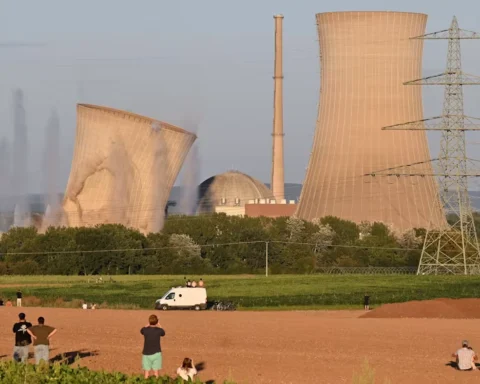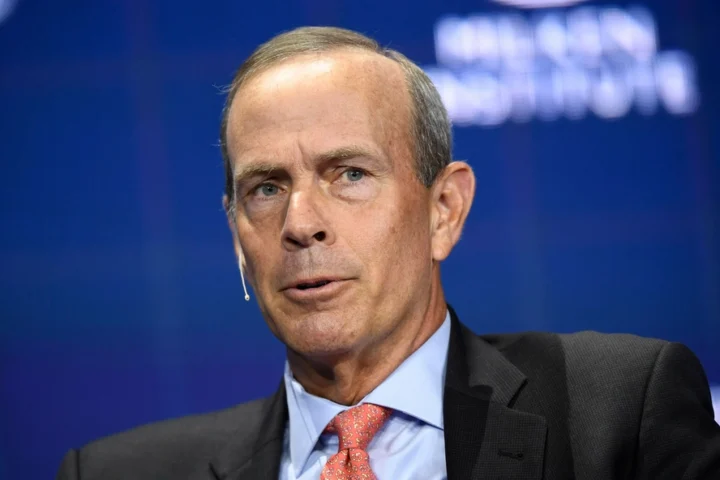
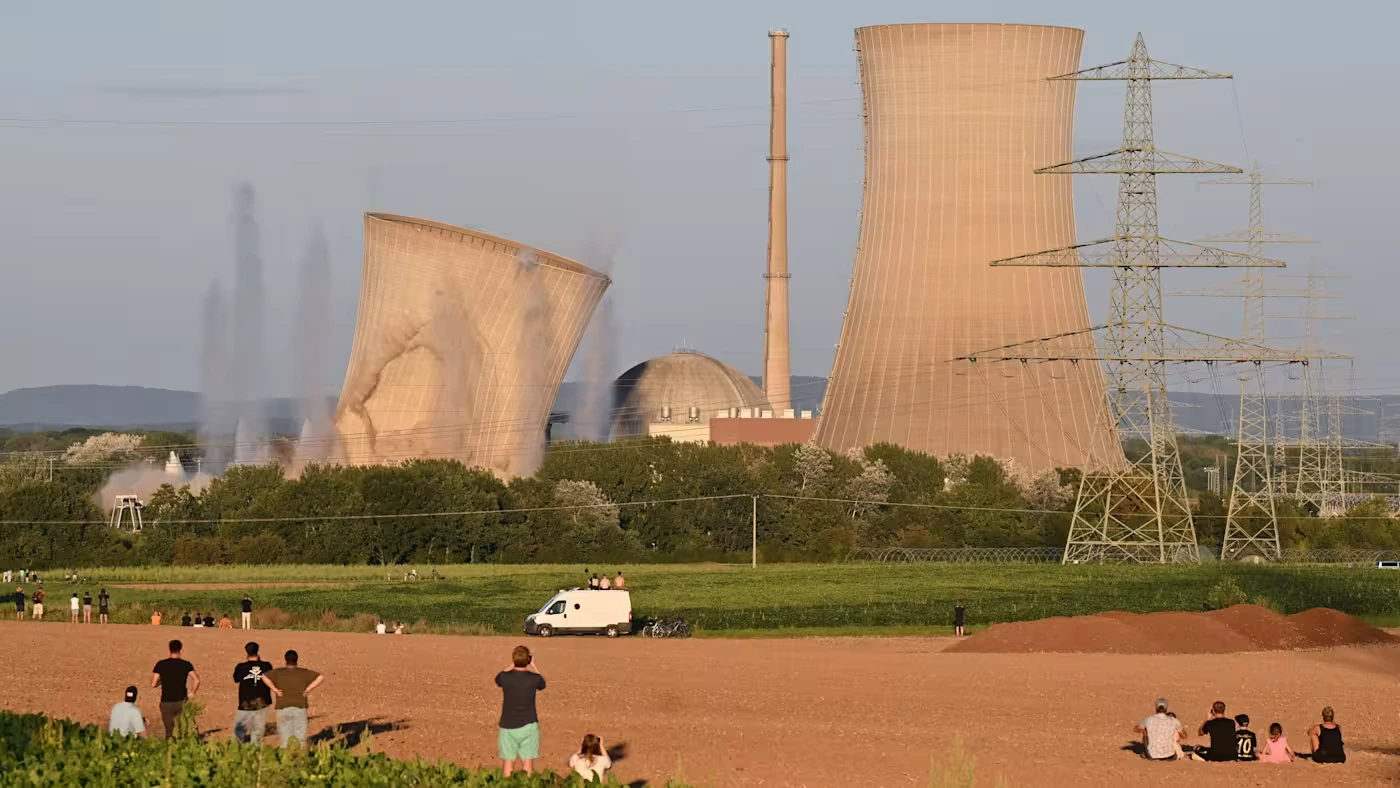
Germany’s economy minister, Katherina Reiche, has called for a reassessment of the country’s long-standing opposition to nuclear energy, warning that heavy reliance on gas has made the economy increasingly vulnerable to external shocks. According to her, the decision to shut down nuclear power plants — taken after the Fukushima disaster and implemented in recent years — has left Germany with virtually no alternatives for baseload electricity.
“We need gas to secure our supply — that is the only baseload source I have left,” she said, adding that politically there is now “no alternative.”
Energy crisis puts renewed pressure on the economy
According to the Financial Times, rising energy costs have pushed nuclear power back into the center of Germany’s policy debate. Since the start of the war in Iran, European gas prices have surged by more than 60%, marking the second major energy shock in less than five years.
The gap in electricity prices across the EU has also widened significantly: in Germany, prices are several times higher than in France, where nuclear power remains a key component of energy generation.
Germany’s dependence on gas has already backfired once — following the war in Ukraine, Berlin was forced to abandon Russian pipeline imports and switch to more expensive liquefied natural gas, largely sourced from the United States.
Industry under pressure and search for alternatives
Persistently high energy costs continue to weigh heavily on German industry, which is also facing intensifying competition from Chinese companies. According to official data, household gas bills have risen sharply compared to pre-war levels, while electricity prices have also increased.
Reiche acknowledged that the current situation represents “a severe additional burden” for energy-intensive sectors already under strain.
Against this backdrop, the debate in Germany is intensifying: whether to remain dependent on gas or return to developing nuclear technologies. “We can decide that we are not interested and remain dependent on a single energy source. Or we can say that we are interested in technology again,” she said.
Europe shifts back toward nuclear energy
While Germany debates its future strategy, several European countries are already moving ahead with nuclear energy. France, Sweden, and Poland are investing in new reactors or extending the lifespans of existing ones, viewing nuclear power as a stable, low-carbon energy source.
Berlin, Reiche stressed, should not remain on the sidelines. With its engineering expertise, Germany should participate in international initiatives and, if necessary, invest in nuclear projects across Europe.
“Anyone standing on the sidelines simply commenting loses influence. You must be on the pitch if you want to play,” she said.
Investment push as part of economic revival
The renewed focus on energy policy comes as Germany struggles to reignite economic growth. Despite a large-scale public spending program aimed at modernizing infrastructure and defense, the economy remains under pressure.
In this context, the government is betting on attracting foreign capital. According to Reiche, Berlin aims to position Germany as a “safe haven” for investors amid global uncertainty.
“I don’t see a flight from the dollar… but we are seeing strong interest from American investors,” she noted.
According to investors in discussions with the government, Germany remains strategically important due to its strong industrial base, despite current structural challenges.
This article was prepared based on materials published by The Financial Times. The author does not claim authorship of the original text but presents their interpretation of the content for informational purposes.
The original article can be found at the following link: The Financial Times.
All rights to the original text belong to The Financial Timesl.