Budapest Links Food Risks to Rising Fertilizer Prices
Hungary is calling on the European Union to temporarily remove tariffs and additional duties on fertilizer imports from Russia and Belarus. According to Politico, Budapest justifies its position by pointing to rising global prices and concerns that tensions surrounding Iran could further strain European agriculture.
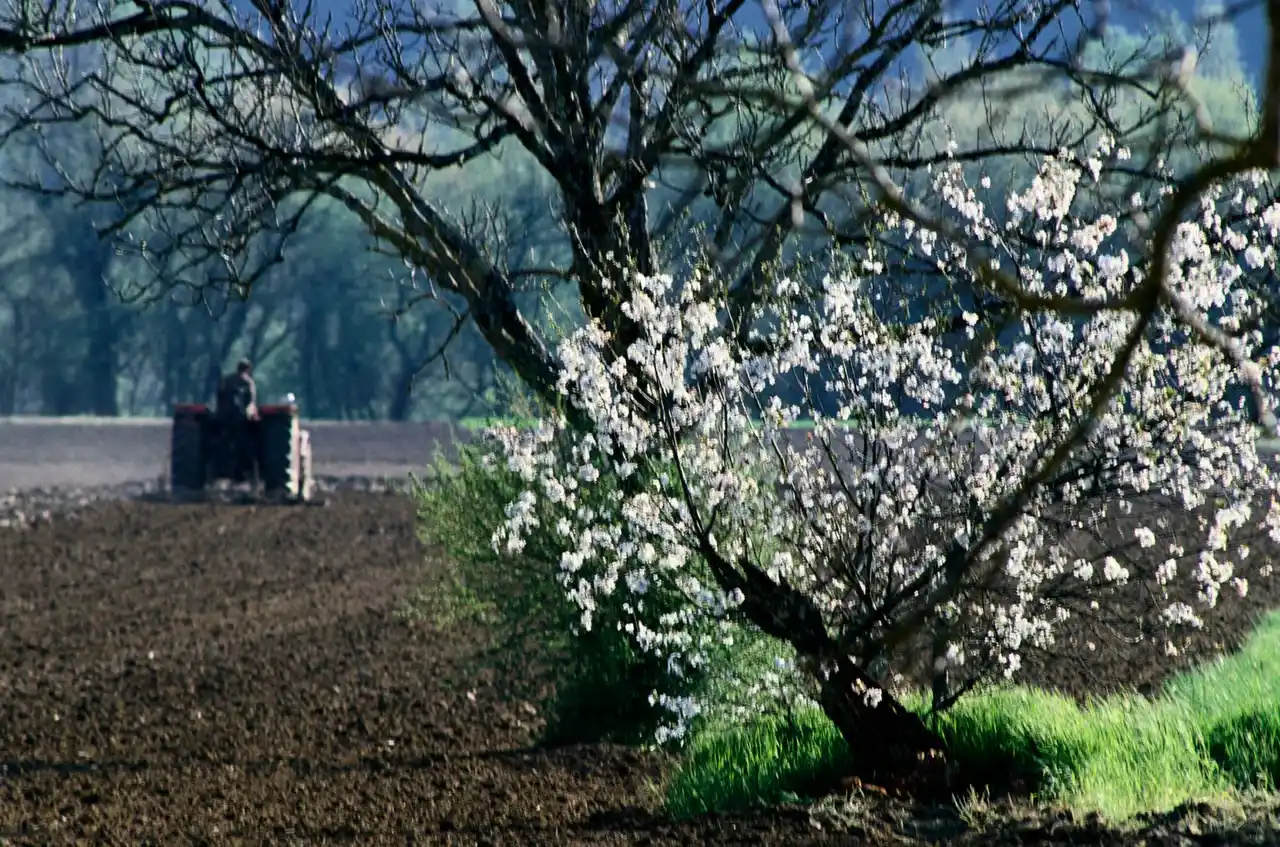
Hungarian Agriculture Minister István Nagy, in a letter to European commissioners, warned that higher fertilizer costs and supply uncertainty are placing increasing pressure on EU farmers. In his view, if access to cheaper supplies remains restricted, this could affect both crop yields and food prices.
Budapest emphasizes that the country cannot fully meet its needs through domestic production. Hungary produces only nitrogen-based fertilizers, while phosphorus and potash products must be imported. For this reason, authorities are pushing for tariffs on Russian and Belarusian supplies to be temporarily reduced to zero.
Brussels Sees Fertilizers as Both a Commodity and a Revenue Source for Moscow
In Brussels, however, the issue is viewed more broadly than just a matter of costs for farmers. According to Politico, EU policy is aimed not only at protecting the internal market but also at limiting Russia’s revenues, which could be used to sustain its war against Ukraine.
In 2025, the EU tightened duties on fertilizers from Russia and Belarus after imports surged in the years following Moscow’s full-scale invasion of Ukraine. Officials in Brussels were concerned that Russia was redirecting gas exports affected by sanctions into fertilizer production to maintain export revenues.
Even after the new restrictions were introduced, Russian fertilizer shipments to the EU remained significant, with their value estimated at around €2 billion last year. However, volumes began to decline sharply in early 2026 as the new tariffs started to take effect.
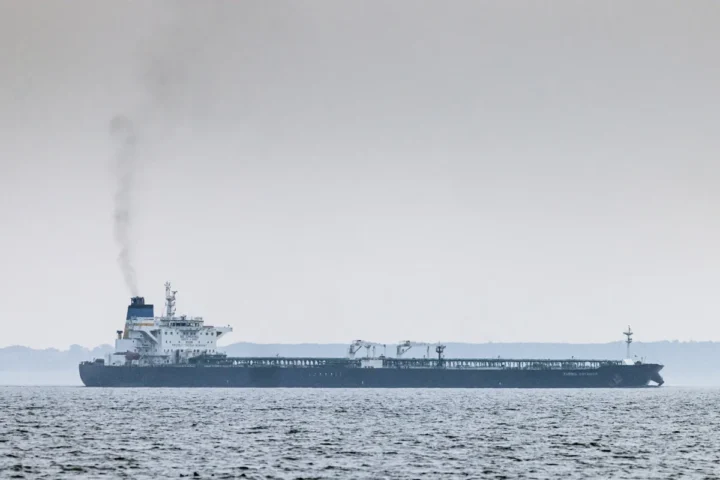
Additional pressure on the sector is coming from developments in the Middle East. The effective blockage of the Strait of Hormuz, Politico notes, is driving up the cost of both fuel and raw materials needed for fertilizer production. Against this backdrop, Hungary has also proposed easing the EU’s ban on Russian gas to reduce price pressures, but this idea has already been firmly rejected in Brussels.
This article was prepared based on materials published by Politico. The author does not claim authorship of the original text but presents their interpretation of the content for informational purposes.
The original article can be found at the following link: Politico.
All rights to the original text belong to Politico