Global routes for Russian oil supplies are being reshaped once again amid shifting demand and political decisions. According to Bloomberg, tankers that were previously bound for China are increasingly diverting toward India, where refiners are ramping up purchases of Russian crude.
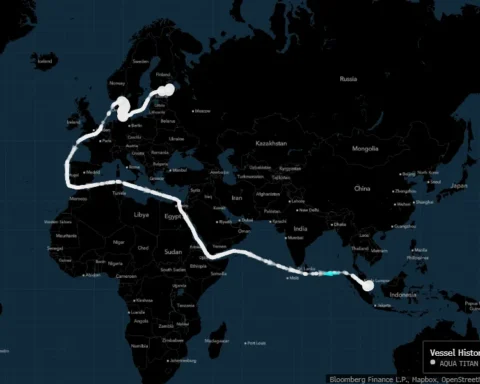
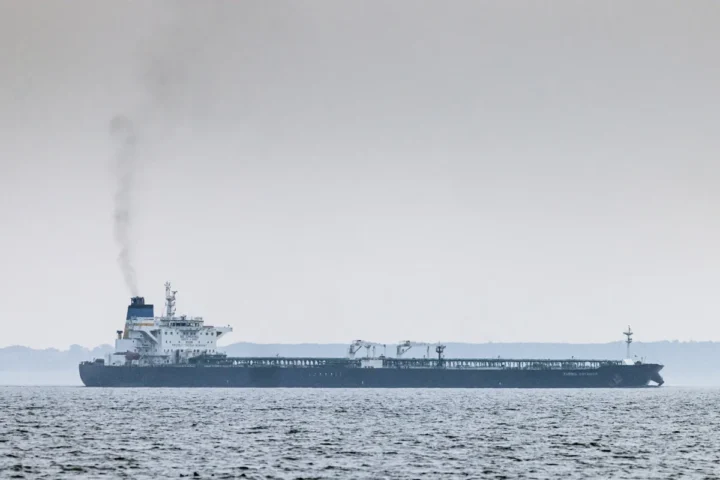
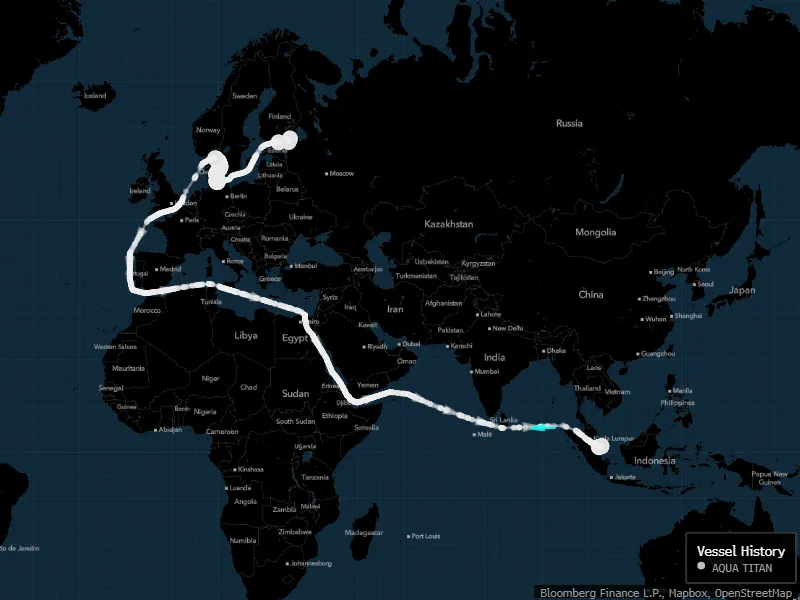
One such example is the tanker Aqua Titan, which had originally been heading to the Chinese port of Rizhao but turned around in the South China Sea and is now en route to New Mangalore in India. The vessel is carrying Urals crude loaded at a Baltic Sea port in late January. Analysts note that the change in route came shortly after the United States effectively signaled that India could temporarily increase its purchases of Russian oil.
India boosts imports amid energy pressure
According to Bloomberg, Indian refiners acquired around 30 million barrels of Russian oil in a short period following that decision. The move is aimed at offsetting reduced supplies from the Middle East caused by the conflict involving Iran and disruptions around the Strait of Hormuz.
The sharp increase in demand from India has become a key factor driving the redistribution of flows. Russian oil that had been largely heading to China is now increasingly directed to the Indian market, where refiners are seeking to benefit from price advantages.
China loses its role as the “buyer of last resort”
In recent months, China had acted as the primary buyer of Russian oil after India scaled back its purchases. However, analysts say the situation is changing. The return of other buyers, including Asian countries, is creating conditions for more flexible distribution of supplies.
According to Vortexa Ltd., at least seven tankers have already changed their destinations mid-voyage, redirecting cargoes from China to India. At the same time, all major Indian refiners have returned to the market for Russian crude.
New routes and competition for supply
Individual cases highlight the scale of these shifts. The tanker Zouzou N., carrying CPC Blend crude, also altered its course—abandoning delivery to China and heading instead for the Indian port of Sikka. The vessel departed from Novorossiysk, reached waters near China, and then turned around to sail toward India.
According to Bloomberg, such decisions reflect growing competition for access to Russian energy resources. With buyers including Japan and South Korea also returning to the market, upward pressure on prices is likely to increase.
Market outlook: rising prices and a new trade geography
The redistribution of oil flows is shaping a new geography of global energy trade. India is strengthening its position as a key buyer, while China faces increasing competition for supplies.
Analysts note that further developments will depend on political decisions and the trajectory of the Middle East conflict. However, it is already clear that the market is becoming more flexible and supply routes less predictable.
Amid this uncertainty, Russia continues to adapt by redirecting exports to the most advantageous destinations and capitalizing on the evolving balance of demand.
This article was prepared based on materials published by Bloomberg. The author does not claim authorship of the original text but presents their interpretation of the content for informational purposes.
The original article can be found at the following link: Bloomberg.
All rights to the original text belong to Bloomberg.