Record Volumes Despite Sanctions Risks
Russia’s liquefied natural gas (LNG) supplies to China reached an all-time high in November, allowing Moscow to overtake Australia for the first time and become China’s second-largest supplier after Qatar. According to customs statistics, exports exceeded 1.6 million tons, more than double the volume recorded in the same month a year earlier.
Despite the risks associated with Western sanctions, Chinese buyers continue to actively purchase Russian gas, drawn by its strong price competitiveness. According to Bloomberg, pricing has been the decisive factor behind the sharp rise in shipments.
The Cheapest Gas on the Chinese Market
In November, Russian LNG was the cheapest among 12 suppliers to China. Its average price stood at about $9.85 per million British thermal units, roughly 10% below the overall market average. Moscow has been forced to offer discounts in order to offset falling exports to Europe, which for decades had been Russia’s largest gas market.
Since the outbreak of the war in Ukraine and the subsequent collapse of European imports, Russia has been redirecting its energy flows toward Asia, with China — the region’s largest gas market — becoming the primary destination.
Imports Resume Growth After a Prolonged Slump
November also marked the first time in more than a year that China’s total LNG imports showed year-on-year growth. Previously, weak domestic demand had curbed the country’s need for additional gas volumes.
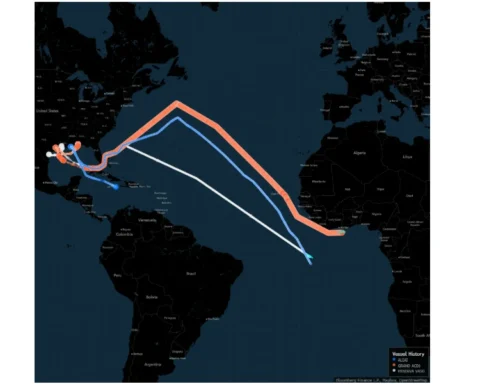
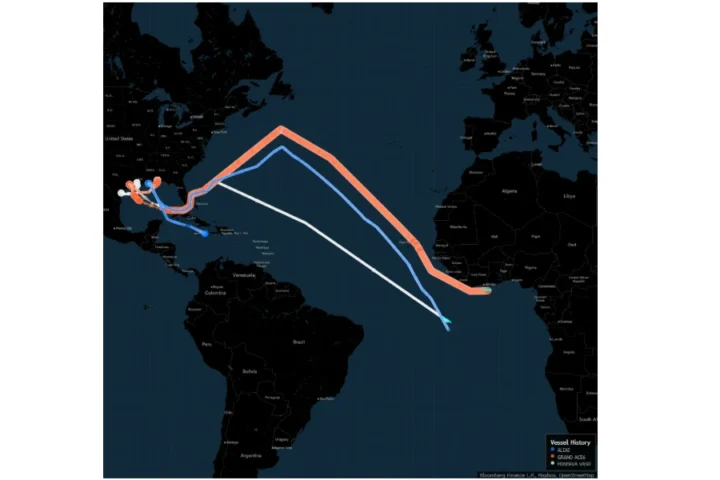
An additional driver was the start of shipments from Russia’s sanctioned Arctic LNG 2 project. Since August, China has been receiving these cargoes through the remote Beihai terminal. However, sources note that the project faces serious logistical challenges: winter ice has complicated exports, already forcing a reduction in output.
US LNG Absent as China Diversifies Supplies
Against this backdrop, US LNG has effectively disappeared from the Chinese market. China has not imported any American cargoes since February, due in part to trade tensions and subdued demand. At the same time, major Chinese state-owned companies are increasingly diversifying their supply sources while attempting to resell contracted volumes on global markets.
Analysts point out that American contracts are generally easier to resell, as they typically do not include strict destination clauses — unlike many other long-term LNG agreements.
Asia’s Energy Shift Accelerates
The surge in Russian LNG deliveries to China reflects a broader transformation in global energy flows. Russia is strengthening its foothold in Asia, China is capitalizing on the availability of cheaper supplies, and traditional exporters such as the United States and Australia are facing intensifying competition in the world’s largest LNG import market.
This article was prepared based on materials published by Bloomberg. The author does not claim authorship of the original text but presents their interpretation of the content for informational purposes.
The original article can be found at the following link: Bloomberg.
All rights to the original text belong to Bloomberg.