The Central Bank Balances Slowing Inflation Against the Threat of a New Price Surge
The Bank of Russia is expected to move ahead with another — its second consecutive — modest cut to the key interest rate, despite a noticeable slowdown in inflation. According to Bloomberg, the regulator is likely to opt for a highly cautious step, taking into account the upcoming increase in the tax burden and persistently elevated inflation expectations in the economy.
Most economists surveyed by the agency believe the rate will be lowered by 50 basis points to 16% on Friday. A more aggressive scenario, involving a cut to 15.5%, is supported by only two out of ten experts. The official decision will be announced at 1:30 p.m. Moscow time, followed by detailed explanations at an evening briefing.
High Rates Continue to Weigh on the Economy
Although the central bank has begun gradually unwinding the tight monetary policy launched last year, borrowing costs remain extremely high for businesses and households. The economy has so far avoided a large-scale wave of bankruptcies, but output is shrinking across most civilian sectors not linked to defense orders.
The situation is particularly difficult in industries dependent on borrowing and exports. The regulator itself acknowledges rising financial stress: losses are increasing in construction, oil and gas, and transportation, while the coal industry is facing the most acute difficulties.
The Regulator’s Logic: “Cleansing” the Economy
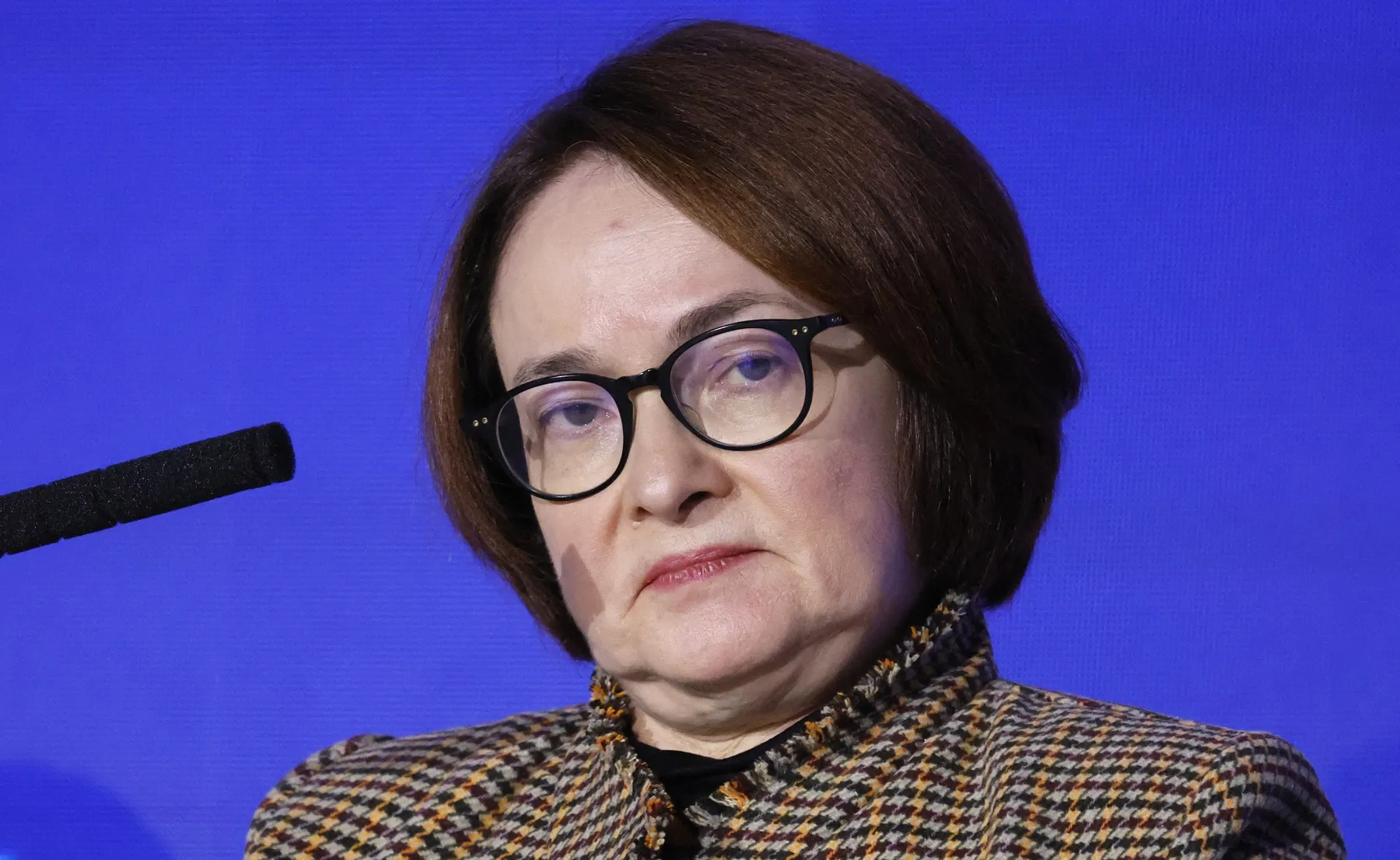
Bank of Russia Governor Elvira Nabiullina has previously emphasized that tight monetary conditions are a deliberate tool for structural adjustment. According to her, high interest rates should help reallocate resources toward more efficient companies.
“A larger share of the market should go to those capable of delivering higher returns, not to those that took on debt beyond their capacity,” Nabiullina said in the autumn of 2024, when the benchmark rate was raised to a record 21%.
Additional pressure on businesses comes from a stronger ruble and falling global commodity prices. Against this backdrop, debt servicing has become more expensive, while revenues are declining.
“This squeeze between interest rates and the exchange rate is now one of the main problems,” said Alexander Shokhin, head of the Russian Union of Industrialists and Entrepreneurs, who previously described a comfortable key rate for the economy as being in the 10–12% range.
According to analysts at Sberbank’s Center for Macroeconomic Research, the rate is unlikely to approach those levels until the end of 2026, despite inflation expected to end this year at 5.7% — the lowest in the past five years.
Inflation Slows, but Concerns Persist
In November, annual inflation dropped sharply to 6.64% from 7.71% in October. Weekly data ahead of the rate-setting meeting point to further easing, to around 6.1%. This is happening faster than the central bank’s own forecasts had anticipated.
Nevertheless, policymakers remain cautious. A recent report noted a renewed rise in inflation expectations, which, according to the Bank of Russia, “underscores the need to avoid premature conclusions about the end of the high-inflation period.”
The Tax Factor: The Main Source of Uncertainty
Fiscal policy remains the key risk for price dynamics. The government’s decision to raise taxes to fund military spending amid falling oil revenues has sharply affected expectations among households and businesses. In December, household inflation expectations jumped to 13.7%, while business price expectations reached their highest level since the beginning of the year.
From 2026, the value-added tax rate will be increased from 20% to 22%, and the tax base will be expanded. The key question is how quickly and to what extent these measures will be passed on to prices.
According to Finam analyst Olga Belenkaya, until the effects of the tax changes become clearer, the Bank of Russia is unlikely to opt for more aggressive monetary easing.
“A 50 basis-point cut looks like a reasonable compromise: inflation is slowing faster than expected, the economy is edging toward balanced growth, but pro-inflationary risks and high expectations remain,” she said.
Growth Slows, Business Sounds the Alarm
The central bank insists that returning inflation to its 4% target is only possible through “balanced growth.” According to government forecasts, economic expansion this year is expected to slow to 1%, down from 4.3% a year earlier.
Business representatives, however, warn of the social and industrial costs of such an approach.
“Large companies will survive, but small ones may simply not withstand it — and we could lose them. Without them, certain types of products simply cannot be made,” said Renat Mistakhov, director of the Ak Bars Shipbuilding Corporation.
As a result, even a modest rate cut in the coming months is unlikely to become a turning point for the economy. In Bloomberg’s view, the Bank of Russia will continue to move with extreme caution, balancing the fight against inflation with tax shocks and the risk of stagnation.
This article was prepared based on materials published by Bloomberg. The author does not claim authorship of the original text but presents their interpretation of the content for informational purposes.
The original article can be found at the following link: Bloomberg.
All rights to the original text belong to Bloomberg.