Russia is trying to capitalize on the global natural gas shortage by offering liquefied natural gas (LNG) shipments from US-sanctioned facilities to South Asian countries. According to Bloomberg, these cargoes were offered last week at discounts of up to 40% to spot prices. Sources say the deals are being arranged through little-known intermediary companies based in China and Russia, with sellers prepared to provide documentation suggesting the gas originates from third countries such as Oman or Nigeria.
Bloomberg was unable to confirm whether any of these shipments have actually been purchased. Still, the timing of such offers is no coincidence. The effective closure of the Strait of Hormuz and attacks on the world’s largest LNG export facility in Qatar have sharply tightened global supply. Roughly a fifth of the world’s LNG volumes has been disrupted, pushing prices higher and forcing Asian buyers to urgently seek alternatives.
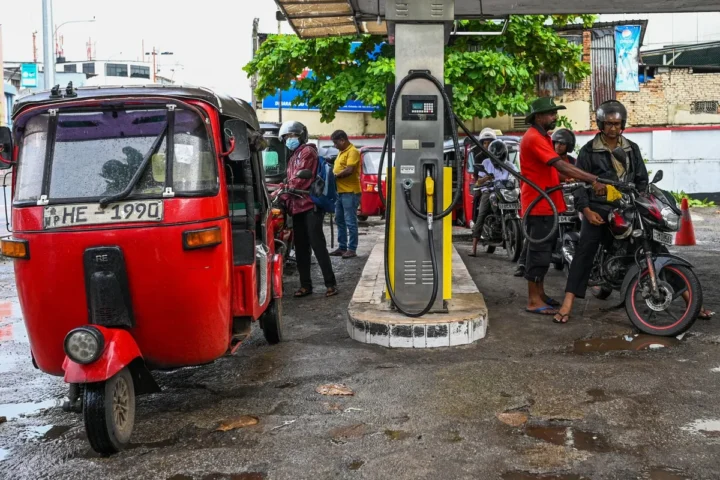
Bangladesh and India have been particularly affected. Bangladesh, which received about 60% of its LNG from Qatar last year, has been forced onto the spot market, at times paying nearly double compared to its long-term contracts with Middle Eastern suppliers. Both Bangladesh and India have also had to curb gas supplies to their fertilizer sectors due to reduced LNG deliveries.
China remains the key channel, but Moscow wants more
India has traditionally taken a cautious stance toward importing sanctioned oil and gas. Authorities have previously stated that they would not accept Russian LNG from blacklisted projects. At the same time, New Delhi has shown some flexibility under shifting conditions: following a general license issued by the US Treasury last month, India resumed imports of Iranian oil for the first time since 2019.
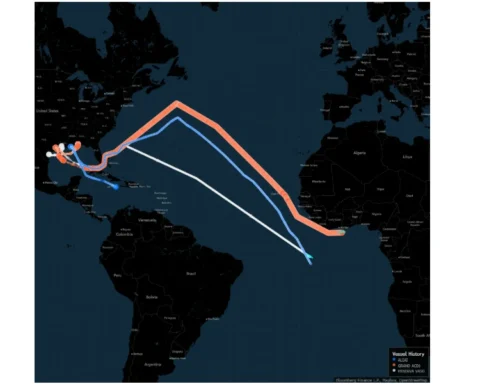
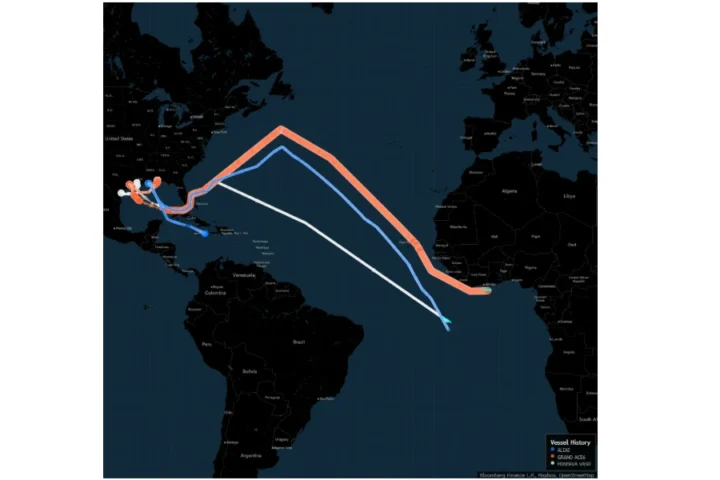
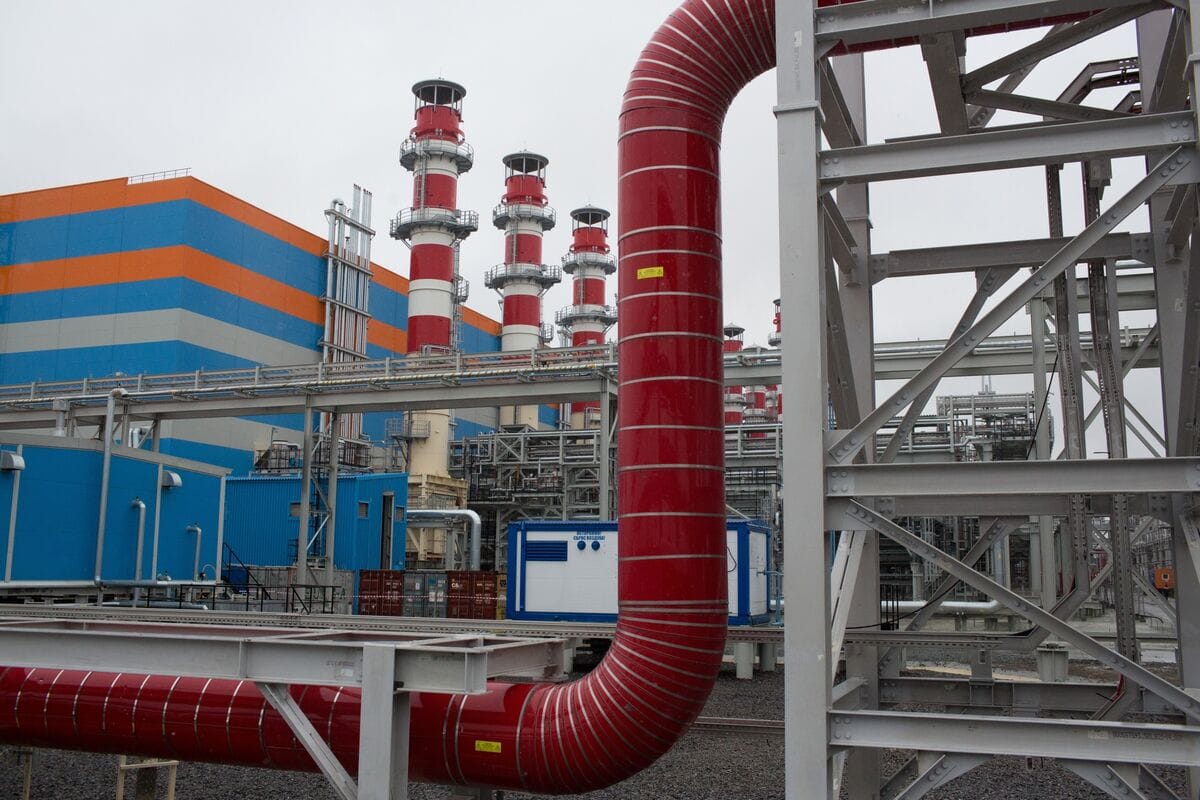
Against this backdrop, Russia continues to expand exports from its sanctioned projects Arctic LNG 2 and Portovaya, but the pool of buyers remains extremely limited. In practice, China is the only country currently importing such Russian LNG, relying on a network of “shadow fleet” vessels to facilitate deliveries and obscure the cargo’s origin.
For Moscow, expanding beyond China would be a critical step. It would help diversify its customer base and increase utilization of its sanctioned facilities. Arctic LNG 2, designed as Russia’s flagship LNG project, began exports in 2024 but has yet to reach full capacity due to a shortage of vessels and the reluctance of buyers to risk exposure to US penalties.
In this sense, Russia is attempting to turn the current energy crisis into a commercial opportunity. Yet even amid supply shortages and rising prices, the risk of secondary sanctions remains a major deterrent. Ultimately, the key question is not just about pricing, but whether Asian buyers are willing to accept the political cost that may come with these deals.
This article was prepared based on materials published by Bloomberg. The author does not claim authorship of the original text but presents their interpretation of the content for informational purposes.
The original article can be found at the following link: Bloomberg.
All rights to the original text belong to Bloomberg.