German intelligence points to hidden growth in defense expenditures
Russia has spent significantly more on its armed forces in recent years than its official budget figures suggest. This conclusion was reached by Germany’s Federal Intelligence Service (BND) following an analysis of Russia’s public finances. According to the agency, Moscow’s real military expenditures may have exceeded declared levels by several dozen percent.
As Der Spiegel notes, this is not a matter of accounting inaccuracies but a deliberate and systematic approach to concealing defense spending. A substantial share of costs directly linked to the armed forces was formally recorded under other budget categories.
Blurred boundaries of defense spending
According to the BND, Russian authorities classified expenses such as construction projects for the Ministry of Defense, military IT initiatives, and social benefits for service members and their families as civilian or general government spending. As a result, these funds did not appear in the official defense budget.
German intelligence stresses that Russia’s interpretation of what constitutes military expenditure differs fundamentally from NATO standards. In addition, information released by Russian official sources is often presented in a distorted or incomplete manner.
One-tenth of the economy devoted to war and the military
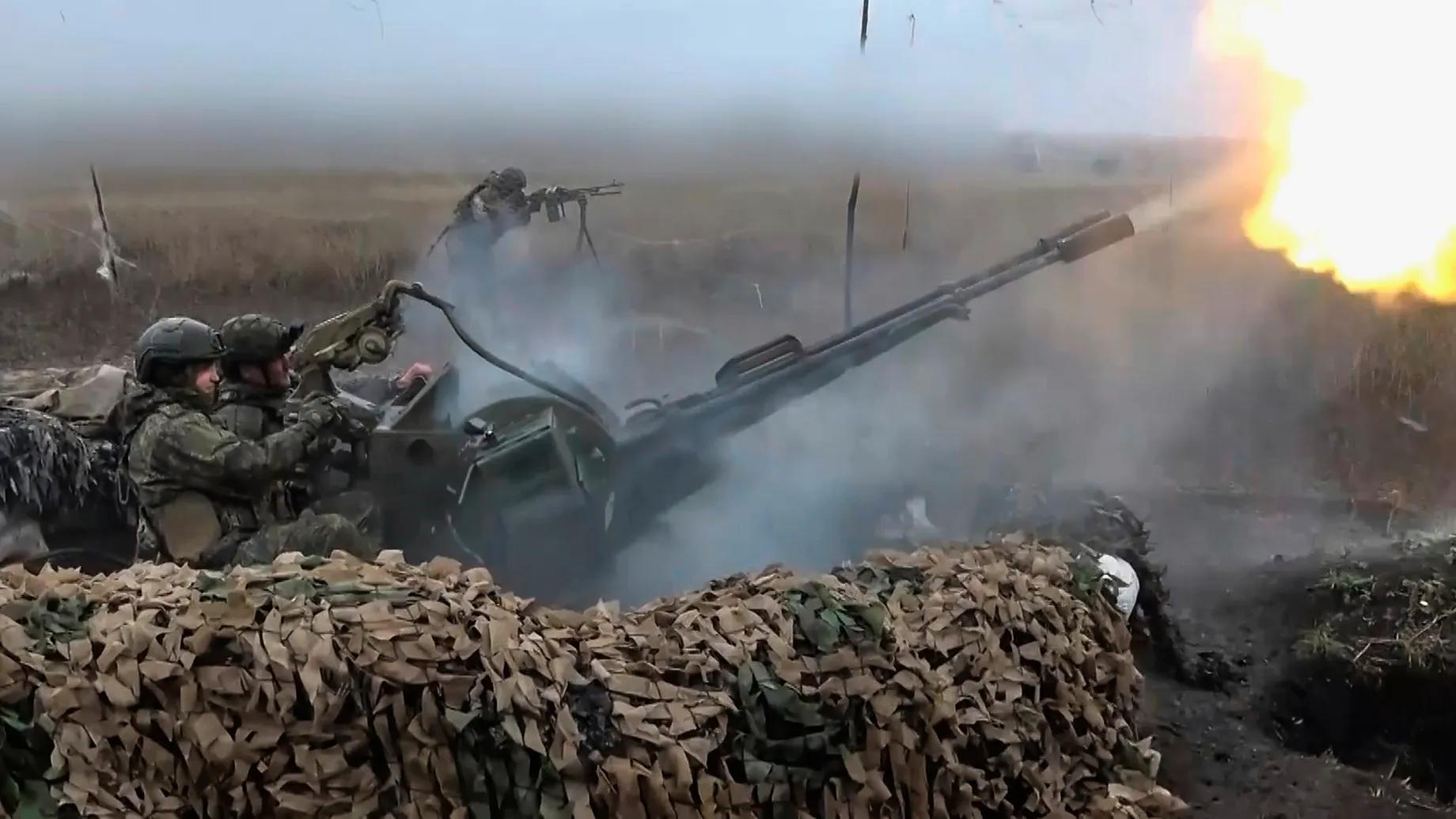
The analysis places particular emphasis on developments following the launch of Russia’s full-scale war against Ukraine in February 2022. From that point onward, according to BND estimates, Russian military spending rose sharply each year.
While defense expenditures accounted for roughly 6 percent of Russia’s GDP in 2022, the share increased to 6.7 percent in 2023 and to 8.5 percent in 2024. For last year, the German intelligence service estimates total military spending at around €250 billion—equivalent to nearly 10 percent of the country’s gross domestic product.
“A growing threat to Europe”
The BND makes clear that it views these figures as a direct warning sign for European security.
“In these numbers, the growing threat to Europe posed by Russia is becoming concrete,” the agency stated.
According to the assessment, financial resources are being used not only for the war against Ukraine but also for the expansion and modernization of military capabilities, particularly in regions close to NATO’s eastern flank.
Warning of Moscow’s long-term intentions
Earlier, BND President Martin Jäger warned during a public hearing of intelligence chiefs that Moscow is deliberately obscuring its strategic intentions. Russia, he said, is “camouflaging its actions” in an effort to test the resilience of Western borders and institutions.
He also argued that the Kremlin’s broader strategy aims to undermine NATO, destabilize European democracies, deepen societal divisions, and foster an atmosphere of pressure and intimidation. In this context, the steady rise in military spending is seen not as a temporary response to the current conflict, but as part of a long-term strategic course.
This article was prepared based on materials published by Der Spiegel. The author does not claim authorship of the original text but presents their interpretation of the content for informational purposes.
The original article can be found at the following link: Der Spiegel.
All rights to the original text belong to Der Spiegel.