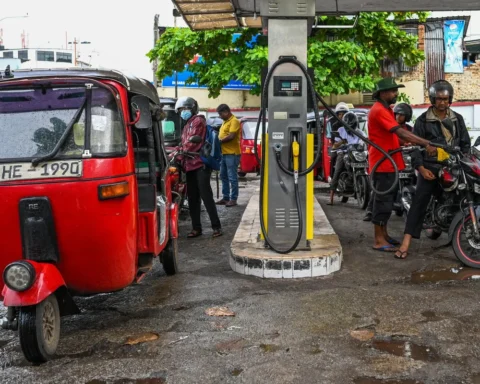
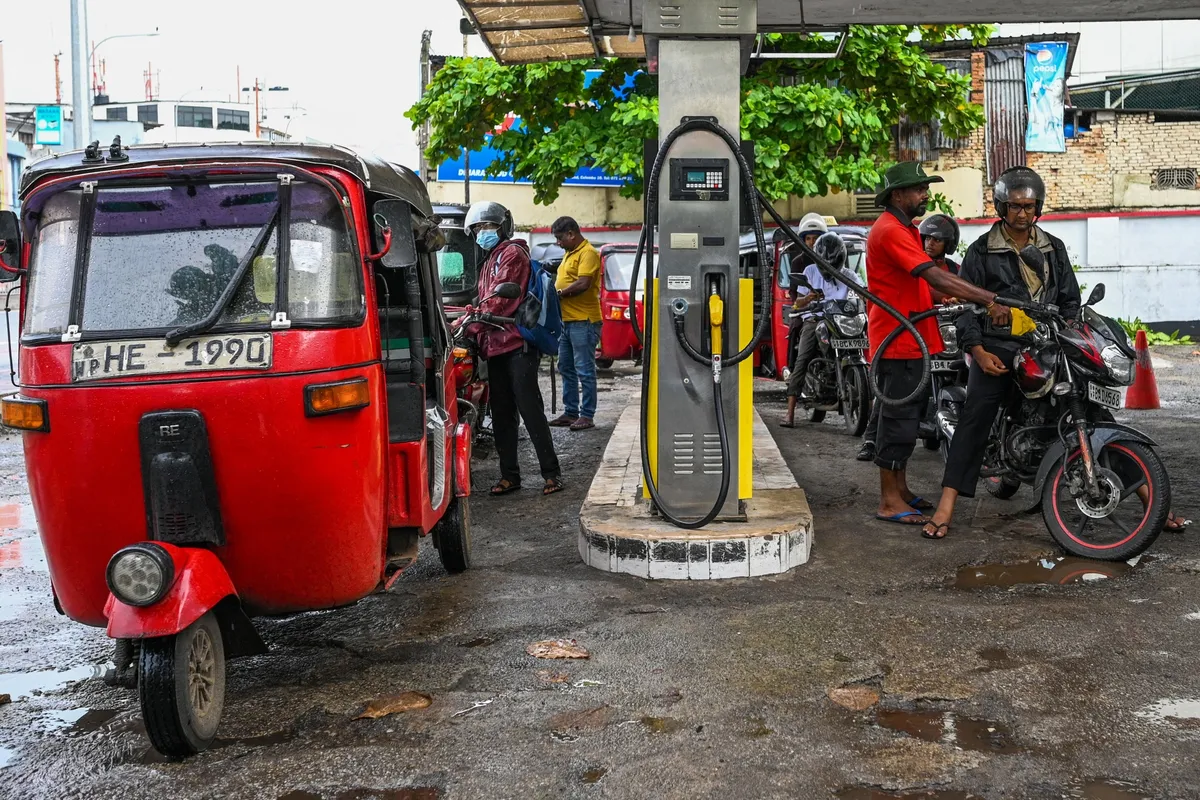
Sri Lanka has entered into talks with Russian companies over supplies of petroleum products as global energy markets face severe disruptions caused by the conflict in the Middle East. According to Bloomberg, the country is considering imports of gasoline and diesel as traditional supply routes come under pressure.
Supply Constraints and Rising Prices
The conflict has led to reduced oil flows and higher prices, forcing importing nations to urgently look for alternative sources. For Sri Lanka, the situation is particularly acute, as it relies heavily on imports to meet its energy needs.
Ceylon Petroleum Corp. Managing Director Mayura Neththikumarage said discussions are focused on refined petroleum products, as the Russian crude currently available is not compatible with the country’s refinery. He added that the talks are being conducted on purely commercial terms, with support from the Russian side in facilitating supplies.
Pressure on Traditional Supply Routes
Sri Lanka typically sources much of its crude oil from the United Arab Emirates, but the ongoing conflict has disrupted these flows. Iran has restricted tanker movements through the Strait of Hormuz, reducing — though not entirely halting — supplies.
In addition, the country imports refined products from India and Singapore. Over the weekend, a shipment of about 38,000 tons of fuel from India arrived in Colombo, temporarily easing supply pressures.
Stockpiles and Austerity Measures
Authorities are attempting to balance energy security with economic constraints. The country’s civil aviation regulator has stated that existing jet fuel reserves can last for about 59 days, allowing airline operations to continue until mid-May.
At the same time, the government has announced fuel price increases and austerity measures to mitigate the economic impact of the crisis.
Geopolitical Risks Add to Uncertainty
The situation is further complicated by Sri Lanka’s indirect exposure to regional tensions. Earlier, a US submarine sank an Iranian warship near its waters, heightening security concerns and adding uncertainty to maritime routes.
Against this backdrop, negotiations with Russia are seen as an effort by Colombo to diversify supplies and reduce dependence on increasingly unstable Middle Eastern sources.
This article was prepared based on materials published by Bloomberg. The author does not claim authorship of the original text but presents their interpretation of the content for informational purposes.
The original article can be found at the following link: Bloomberg.
All rights to the original text belong to Bloomberg.