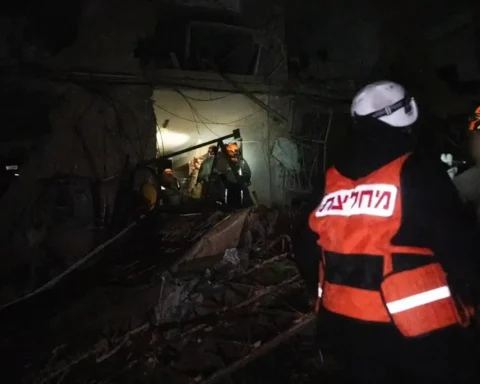
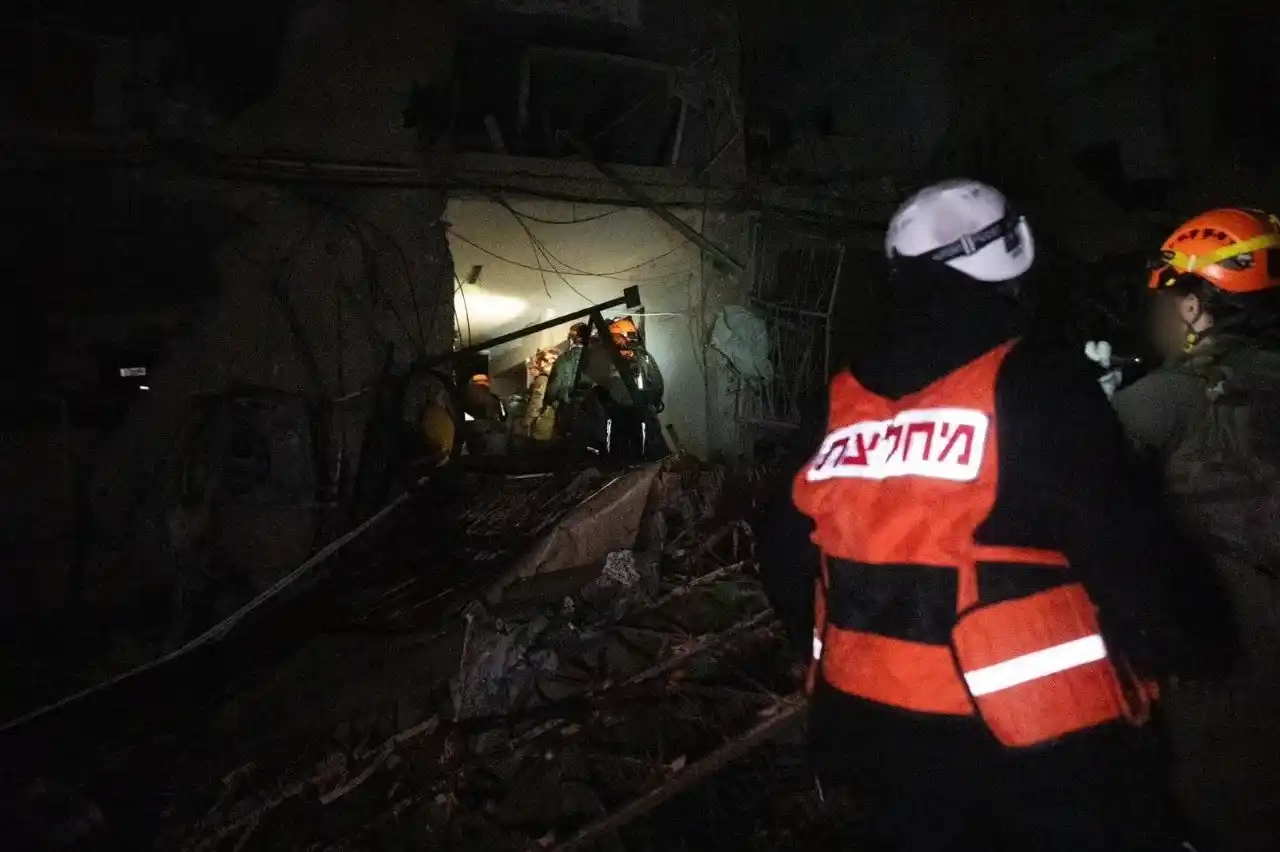
The night in southern Israel became one of the most тревожных in recent times: Iranian missiles struck the areas of Dimona and Arad — in close proximity to Israel’s nuclear research center in the Negev. According to Israel’s Health Ministry, more than 160 people were injured.
The strike itself appeared to be a demonstration. Tehran was clearly aiming to show not just its ability to hit Israeli territory, but its capacity to get close to sites considered highly sensitive. Iran quickly said the attack was retaliation for a strike on its nuclear facility in Natanz.
The conflict shifts toward signaling around nuclear infrastructure
This may be the most dangerous turn in the story so far. Until now, the sides have exchanged strikes, but increasingly the focus is shifting toward sites linked to nuclear programs — even if not the reactors themselves, then the space around them.
That is why the strike near Dimona caused such resonance. Even without physical damage to the facility, the political and psychological impact was significant: Iran demonstrated a willingness to raise the stakes precisely where Israel’s strategic sensitivities begin.
The International Atomic Energy Agency later said it had no information indicating damage to the site and had not detected abnormal radiation levels. But in situations like this, it is not only the facts that matter, but also the signal being sent.
Trump adds another layer — energy
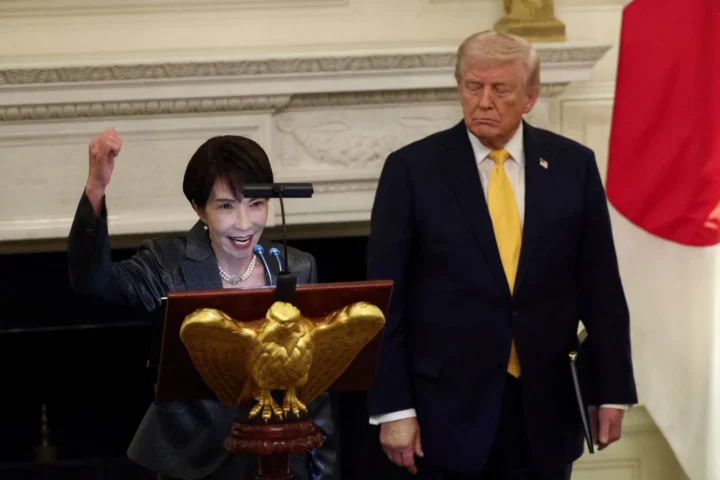
At nearly the same time, rhetoric from Washington further escalated tensions. President Donald Trump warned that the United States would “obliterate” Iran’s energy facilities if Tehran does not fully open the Strait of Hormuz, giving it 48 hours to comply.
The conflict, already dangerously close to the nuclear dimension, is now shifting toward an energy confrontation as well. This is no longer just about Israel and Iran — it touches the global oil market, supply chains, logistics, and the reactions of U.S. allies in the region.
Tehran’s response was predictably firm. Iranian officials warned that any strike on their energy infrastructure would trigger retaliatory attacks on U.S. and Israeli energy and infrastructure facilities. In other words, the threat becomes reciprocal: once attacks on oil, gas, ports, or power systems begin, the consequences could quickly extend beyond a bilateral conflict.
Tehran speaks of a “new phase”
Particular attention was drawn not only to the strike itself, but to how it was framed in Tehran. Parliament Speaker Mohammad Bagher Ghalibaf said that the very fact missiles reached the Dimona area, despite Israel’s missile defenses, signals the beginning of a “new phase” of the war.
This is a significant formulation. It suggests that Iran wants to present the episode not as an isolated success, but as evidence of a broader shift in the dynamics of the conflict. Ghalibaf went further, hinting that additional pre-planned steps are ready, though without providing details.
Such statements are not aimed solely at a domestic audience. They also seek to introduce doubt within Israeli society: if a missile could reach near one of the most heavily protected areas, does that mean the previous sense of security is beginning to erode?
Israel tries to contain the narrative
Israel, for its part, has attempted to frame the incident as serious but limited. Military spokesperson Effie Defrin acknowledged that air defenses were activated but failed to intercept a specific missile. He said the incident would be investigated, while stressing that it does not yet represent a fundamentally new level of threat.
For Israel, this distinction matters: preventing Iran from turning a single breach into a symbol of strategic vulnerability. In such conflicts, perception can be nearly as powerful as the weapons themselves.
At the same time, Israel reported new strikes in southern Lebanon targeting Hezbollah. This underlines that the conflict is no longer confined to a direct Iran–Israel axis. It now involves allied groups, border regions, and multiple fronts where tensions can flare.
In effect, the region is entering a pattern of expanding confrontation: one strike leads to another, and even when responses appear “targeted,” the overall map of the crisis continues to grow.
Europe tries to stay engaged
Amid the escalation, Iranian Foreign Minister Abbas Araghchi held a call with EU foreign policy chief Kaja Kallas. The very fact of such communication suggests that diplomatic channels remain open — even as the space for diplomacy narrows.
According to Politico, what makes the current escalation particularly dangerous is that it is no longer a series of isolated episodes. It is beginning to form a more coherent and тяжелая dynamic: strikes near nuclear-linked sites, threats to energy infrastructure, involvement of Lebanon, U.S. pressure, and increasingly tense international reactions.
A region moving toward more dangerous thresholds
The key question now is not whether the strike near Dimona was symbolic or a tactical success. More important is that both sides are increasingly choosing targets that were once considered too sensitive for direct attack or explicit threats.
This suggests that the threshold of restraint is continuing to erode. And when nuclear tensions, energy risks, regional proxies, and U.S. ultimatums converge, the next exchange of strikes may not be just another episode — but a turning point for the entire conflict.
This article was prepared based on materials published by Politico. The author does not claim authorship of the original text but presents their interpretation of the content for informational purposes.
The original article can be found at the following link: Politico.
All rights to the original text belong to Politico.