Radioactivity continues to leak from a Russian nuclear submarine that sank in 1989 in the European Arctic Ocean. Levels of the radioactive isotope strontium-90 are up to 400,000 times higher than the natural background radiation in this sea area, while levels of cesium-137 are as much as 800,000 times higher. For comparison, the natural radioactivity for these two isotopes in this region is about one becquerel per cubic meter.
However, ocean currents quickly dilute the radioactivity, researchers led by Justin Gwynn of the Norwegian Radiation and Nuclear Safety Authority in Tromsø write in the journal PNAS.
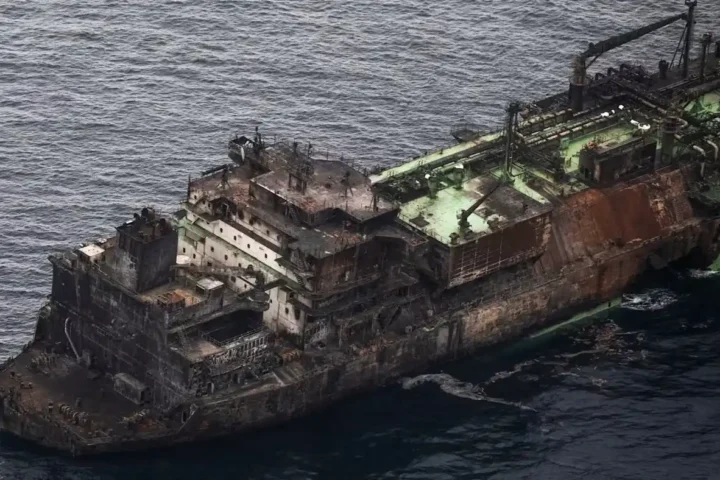
On April 7, 1989—still during the Cold War—the Soviet nuclear submarine Komsomolets was operating in the European Arctic Ocean, also known as the Norwegian Sea. Between Norway and Svalbard, a fire broke out in the stern at a depth of about 400 meters. To surface, the crew pumped air into the ballast tanks.
“Presumably, a failure in the line to the port ballast tank allowed high-pressure air to enter compartment 7, causing the fire to spread explosively,” the researchers write. The submarine initially managed to reach the surface, but the fire caused a breach, and the vessel sank. Only 27 of the 69 people on board survived.
Since then, the Komsomolets has lain at a depth of nearly 1,700 meters. The Soviet Union and later Russia investigated the wreck. To prevent radioactive contamination, torpedo tubes and other openings were sealed with titanium plates in 1994.
Elevated levels of cesium-137 in corals
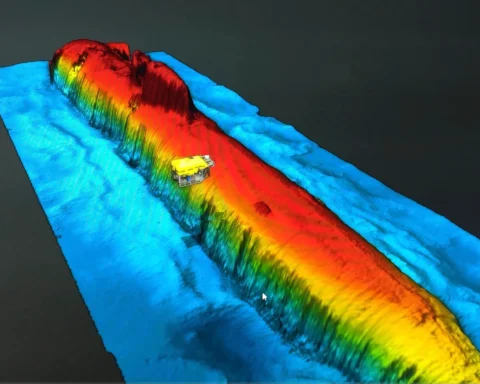
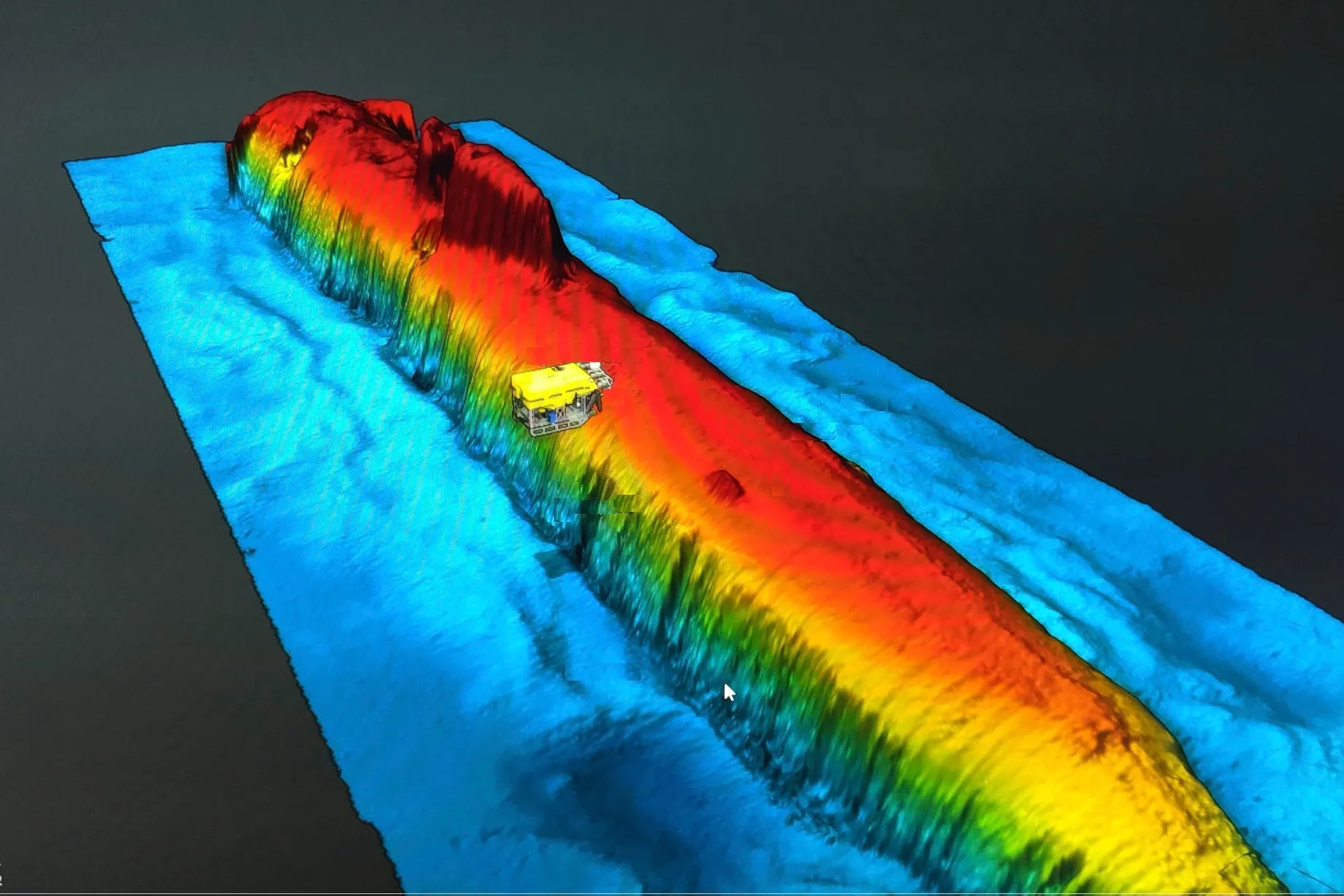
Norway has been monitoring the wreck since 2013. In 2019, researchers sent remotely operated underwater vehicles to the site, where they collected samples. The results show that the titanium seals remain intact.
“No traces of plutonium from the warheads in the torpedo compartment were found in the immediate vicinity of the damaged forward section of the submarine,” the team writes. However, there are indications that radioactive material from the nuclear propulsion system and stored nuclear fuel is deteriorating.
The highest levels were measured at a ventilation pipe on the submarine’s sail and on a nearby metal grate. Scientists also collected various marine organisms there. Elevated levels of cesium-137 were found only in samples of soft corals, sea anemones, and sponges.
“Although these values are not high enough to expect significant effects, they are above the typical levels for benthic organisms in the European Arctic Ocean,” the researchers write. They believe that the large fish stocks in this region are currently not at risk. However, they recommend continued monitoring of the wreck, as radioactive particles could escape both from the nuclear propulsion system and from the two nuclear warheads.
The article published on this website is a translation of an original publication from Der Spiegel. We strive to preserve the accuracy and integrity of the content; however, the translation may include interpretations that differ from the original text. The original article is the property of Der Spiegel and is protected by copyright.
Briefly does not claim authorship of the original material and provides this translation for informational purposes only for a Russian-speaking audience. If you have any questions or comments regarding the content, please contact us or the rights holder, Der Spiegel.