The White House Considers a Hardline Option
President Donald Trump’s administration has discussed the possibility of seizing additional tankers involved in transporting Iranian oil but has so far refrained from doing so. The hesitation stems from concerns over near-certain retaliation from Tehran and the potential shockwaves such actions could send through global energy markets.
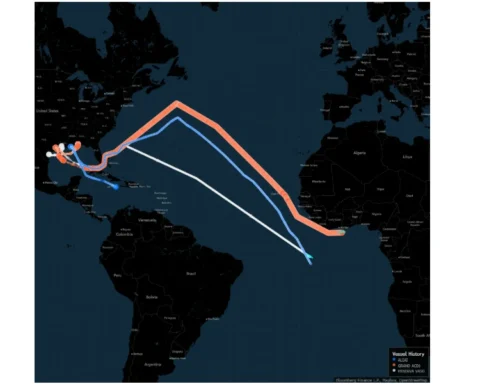
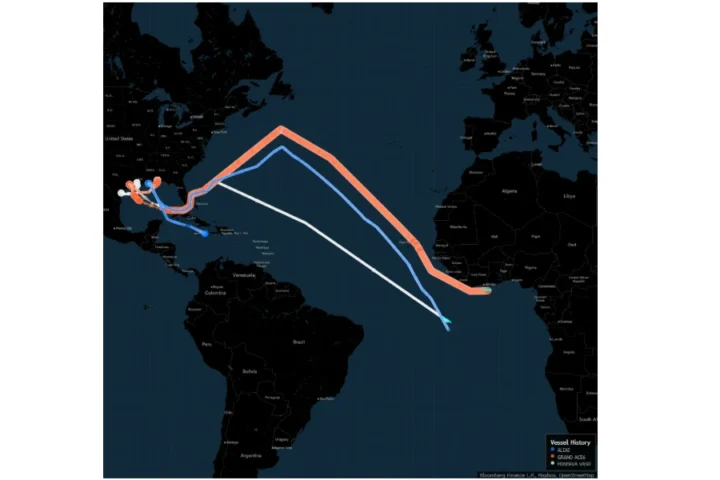
According to U.S. officials, the idea would expand a strategy launched two months ago in the Caribbean targeting vessels serving Venezuela. Now, attention may turn to the so-called “shadow fleet” — a network of ships that transport oil from sanctioned countries, including Iran, to China and other buyers.
The “Shadow Fleet” and Legal Grounds for Seizure
Shipping analysts estimate that roughly 1,000 vessels operate within this global shadow fleet. Many sail under third-country flags or use questionable registration practices, potentially allowing the United States to assert jurisdiction in international waters.
The U.S. Treasury Department has already sanctioned more than 20 ships this year for their involvement in Iranian oil exports. Just last week, Washington added 14 more vessels registered in countries such as Barbados, Cameroon, and Panama, along with several shipping companies that manage them.
Sanctions provide the legal groundwork for potential seizures. However, physically boarding and redirecting a tanker is a complex operation that would require naval assets and personnel to escort the vessel to a secure port.
The Strait of Hormuz: A Global Chokepoint
The main deterrent is the likely response from Iran. Tehran has previously warned it could target vessels belonging to U.S. allies or even disrupt traffic in the Strait of Hormuz. Up to 25% of the world’s petroleum supply passes through this narrow waterway connecting the Persian Gulf to global markets.
Even partial mining of the strait could trigger a sharp spike in oil prices and create significant political consequences in the United States. Analysts caution that restoring safe passage after any disruption could take time and require a large-scale military response.
Expanding U.S. Military Presence
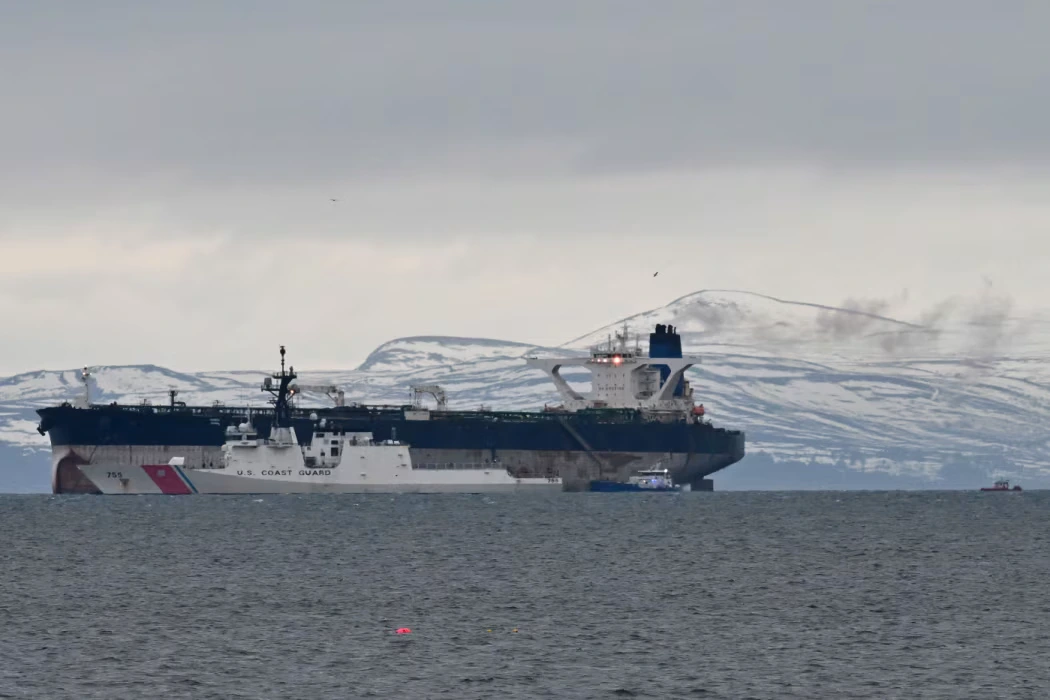
The United States already maintains a substantial military footprint in the region. The aircraft carrier USS Abraham Lincoln is operating off the coast of Oman, supported by guided-missile destroyers. The U.S. Coast Guard, stationed in Bahrain, has law-enforcement authority to enforce sanctions and would likely play a central role in any tanker boarding operations.
Recently, U.S. forces escorted an American-flagged tanker after an Iranian drone and patrol boats from the Islamic Revolutionary Guard Corps approached it while transiting the Strait of Hormuz. For now, shipping data indicates that overall traffic through the strait remains largely unaffected.
Economic Pressure Versus Direct Military Action
In the view of The Wall Street Journal, targeting tankers may be seen in Washington as a less risky alternative to direct strikes on Iranian territory. Military action could provoke a broader confrontation, while tightening economic isolation by disrupting oil exports strikes at Tehran’s primary revenue source.
President Donald Trump has stated that he prefers diplomacy but retains multiple options should negotiations over Iran’s nuclear program collapse. Tehran has signaled a willingness to discuss nuclear issues but refuses to halt uranium enrichment or address its missile program — key U.S. demands.
The China Factor
China remains Iran’s largest oil customer, purchasing crude at discounts estimated at around $10 per barrel below market prices. As Venezuelan exports have declined, Iranian supplies have become increasingly important to China’s independent refiners.
Any significant disruption to Iranian exports would therefore reverberate far beyond the Middle East, affecting the world’s second-largest economy and potentially reshaping global energy flows.
Walking the Line Between Pressure and Escalation
The option of seizing tankers remains on the table, but implementing it could trigger a chain reaction — from localized confrontations in the Persian Gulf to surging oil prices and political fallout in Washington.
The White House appears determined to strengthen its negotiating leverage. Yet each step toward tougher enforcement increases the risk that the region could edge closer to open conflict, with global markets watching closely.
This article was prepared based on materials published by The Wall Street Journal. The author does not claim authorship of the original text but presents their interpretation of the content for informational purposes.
The original article can be found at the following link: The Wall Street Journal.
All rights to the original text belong to The Wall Street Journal.