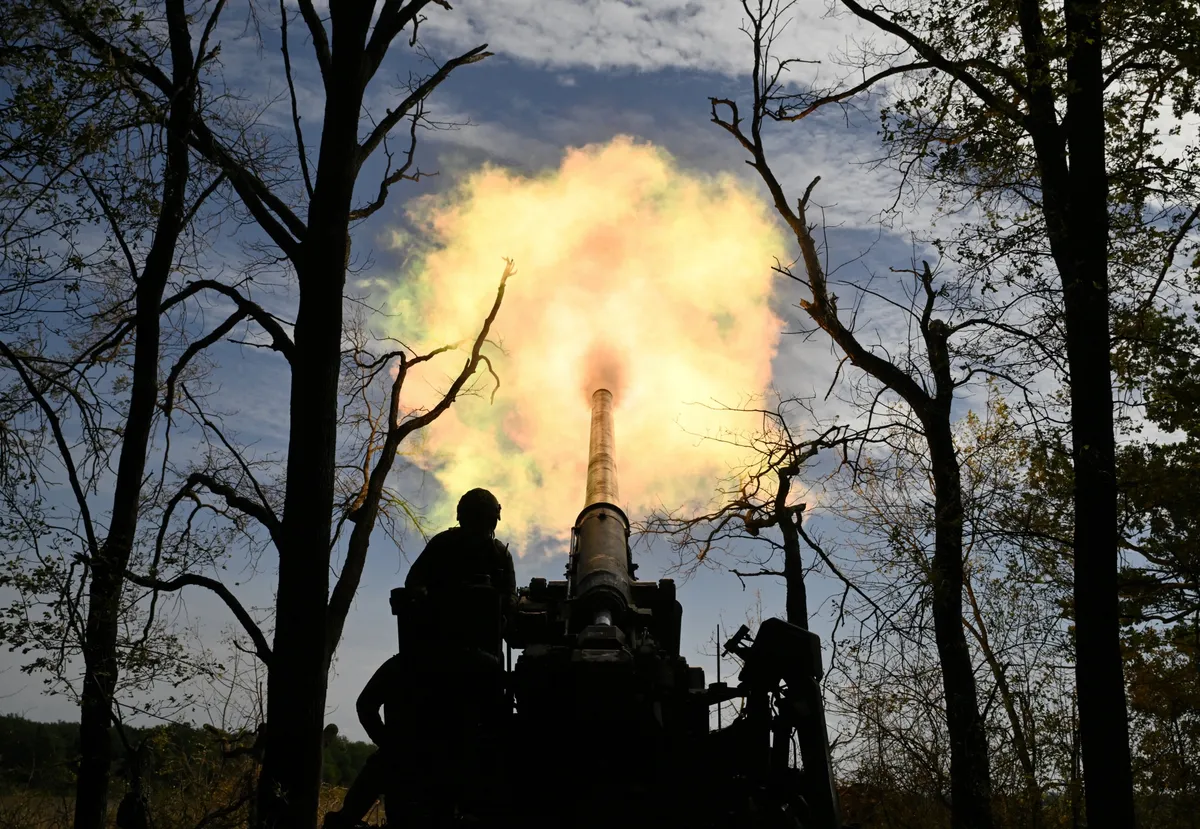
Ukraine is finding it increasingly difficult to secure new commitments from NATO countries to pay for US-made weapons. As Bloomberg reports, citing Ukraine’s ambassador to the alliance Alyona Getmanchuk, the financial burden still falls on a very small group of states — and expanding that circle has proven challenging.
According to her, the UK is the only country that has recently joined the effort. Otherwise, Kyiv has to keep turning to the same partners again and again — and doing so is becoming harder each time.
Funding pressure grows as the war drags on
The issue is becoming more acute against the backdrop of mounting financial strain. The war is now in its fifth year, peace talks are stalled, and external support is increasingly constrained by political and bureaucratic hurdles.
Hungary continues to block a crucial €90 billion EU loan package for Ukraine. At the same time, internal political tensions in Kyiv risk delaying further disbursements from the International Monetary Fund.
As a result, securing funding for weapons is turning into a separate and increasingly difficult challenge for Ukraine.
How the current scheme works
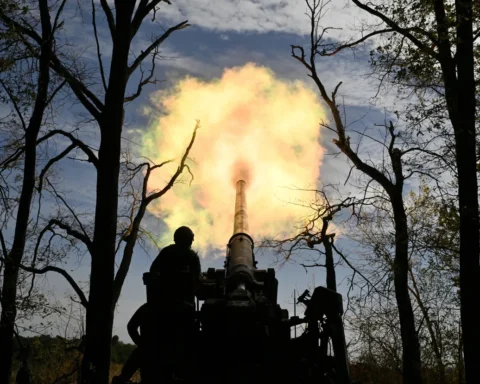
After President Donald Trump returned to the White House and halted direct aid, a new mechanism — known as PURL — was introduced. Under this model, European countries and Canada pay for US military equipment, which is then delivered to Ukraine.
For now, US supplies are still arriving. Getmanchuk said Kyiv has received no signals from Washington that the conflict around Iran is affecting deliveries.
However, the system has its weaknesses: it depends on continuously raising new funds. Shipments are currently delivered in packages of about $500 million, meaning each new batch requires fresh commitments.
NATO considers adjusting the mechanism
According to Bloomberg, allies are now discussing changes to the system that would allow Ukraine to receive aid as individual contributions come in, rather than waiting for full funding packages.
This would make deliveries more consistent and reduce delays. But such an approach could be politically harder to justify domestically in donor countries.
Still, it could help make support more stable and predictable.
Air defense remains the top priority
Ukraine’s most urgent need remains air defense — particularly systems capable of intercepting ballistic missiles. If these cannot be secured from the US, the only alternative would be to draw from other countries’ stockpiles, which is extremely difficult.
Kyiv is also exploring alternative options. One possibility involves cooperation with Gulf countries. According to Getmanchuk, they have shown interest in Ukrainian drone interception systems, which Ukraine currently produces at roughly twice its domestic requirement.
The idea is to use this as leverage — potentially exchanging capabilities for missiles or funding to acquire them. As she put it, Ukraine would ideally trade its drone defense capacity for help in countering ballistic and cruise missiles.
Europe may be waiting on EU funding
Another reason some European countries are holding back may be expectations that the blocked EU loan package will be approved in the coming weeks. If that happens, Ukraine could use those funds to purchase US weapons that Europe cannot supply itself.
This would ease pressure on individual governments to make separate pledges.
Hungary remains a key obstacle
For now, Hungary continues to be the main stumbling block. Budapest has said it will lift its veto only after Ukraine restores a pipeline damaged in the war that delivers Russian fuel to Hungary.
Many European officials believe this position is tied less to energy concerns and more to Prime Minister Viktor Orbán’s domestic political agenda, which has consistently included strong criticism of Ukraine.
The old model of support is under strain
In the end, Ukraine is facing not just a shortage of funds, but a deeper issue: the existing model of support is becoming less effective. US weapons are still being delivered, but the question of who will pay for future shipments is becoming increasingly urgent.
As Bloomberg suggests, the key challenge now is not the availability of weapons, but the growing reluctance of allies to continuously finance them.
This article was prepared based on materials published by Bloomberg. The author does not claim authorship of the original text but presents their interpretation of the content for informational purposes.
The original article can be found at the following link: Bloomberg.
All rights to the original text belong to Bloomberg.