Brussels’ Position: Rushed Decisions Threaten Diplomatic Efforts
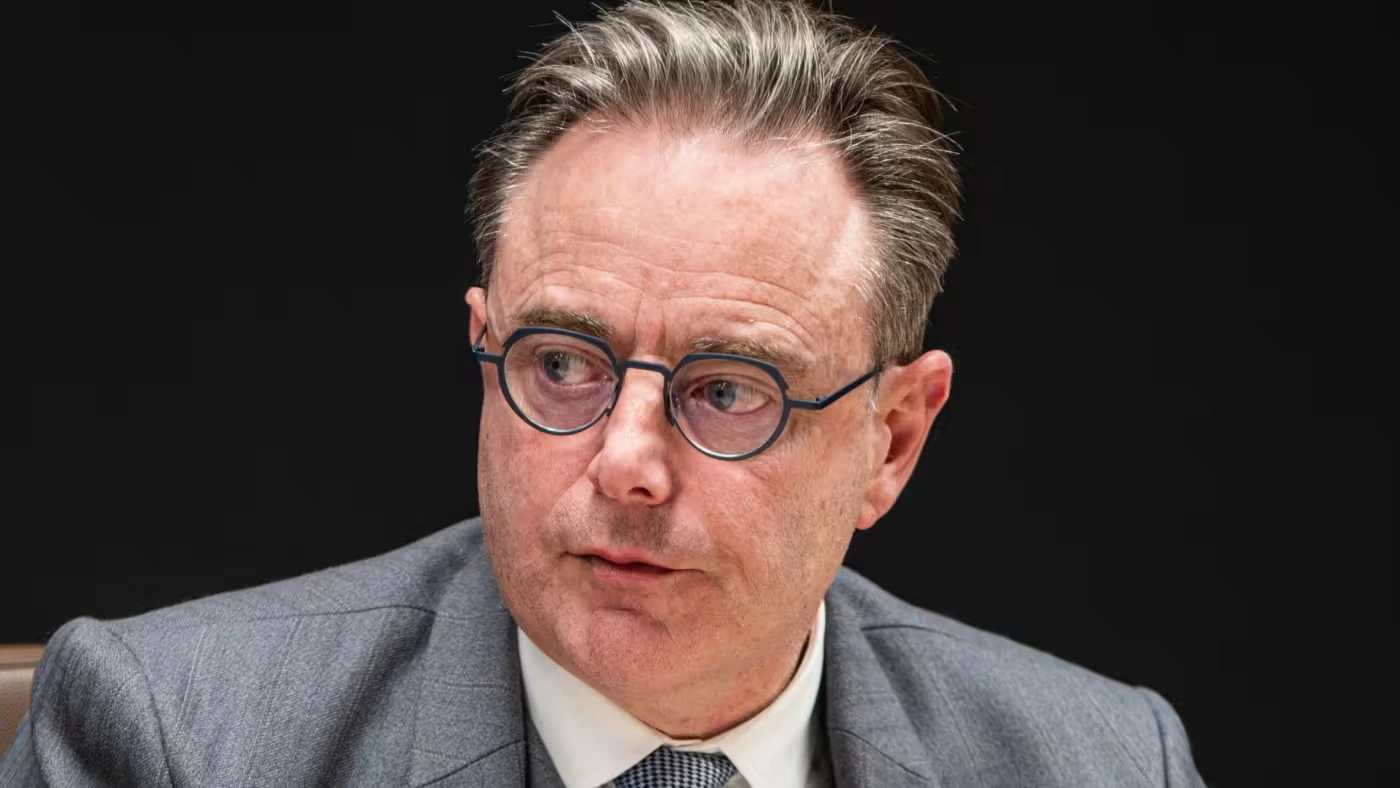
Belgium’s Prime Minister Bart De Wever has warned that rapidly approving the EU’s plan to use frozen Russian state assets to finance support for Ukraine would, in effect, destroy the chances of any future peace agreement to end the nearly four-year-long war.
His letter to European Commission President Ursula von der Leyen — cited by The Financial Times — was sent less than a month before a decisive EU summit where the bloc’s leaders are expected to determine the next phase of financial assistance for Kyiv.
According to The Financial Times, the letter represents one of the most sharply worded warnings from a country that holds the bulk of frozen Russian assets in Europe.
Context: The €140bn EU Plan and President Donald Trump’s Parallel Initiative
The European Commission has proposed using revenue generated by frozen Russian state assets — blocked after Moscow’s full-scale invasion — to create a €140bn “reparations loan” that would keep Ukraine financially stable for at least two years.
Most EU member states support the initiative. Belgium, however — where about €185bn out of the EU’s frozen €210bn are held through the Brussels-based Euroclear securities depository — remains strongly opposed. Brussels fears retaliatory steps from Moscow and is also concerned about potential legal liabilities if the loan mechanism fails or if sanctions against Russian assets are altered.
As The Financial Times notes, Belgium’s intervention comes at a moment when US President Donald Trump is launching a new initiative aimed at bringing the conflict to an end, largely bypassing EU capitals.
Belgium’s Arguments: Financial and Legal Risks for Euroclear
In his letter, De Wever states plainly:
“Hastily moving forward on the proposed reparations loan scheme would have, as collateral damage, that we as the EU are effectively preventing reaching an eventual peace deal.”
The prime minister outlined strict conditions for supporting the plan. EU member states, he said, must provide binding guarantees to cover all potential losses for Euroclear related to the €185bn in Russian assets. He demanded “legally binding, unconditional, irrevocable, on-demand, joint and several guarantees” be in place ahead of the EU leaders’ summit.
Belgium is also insisting that:
- all EU countries share the cost of possible legal proceedings,
- frozen Russian assets located in other EU member states be included in the financing mechanism,
- the legal structure of the plan must not appear as outright confiscation — something that could undermine investor confidence in European sovereign debt markets.
These concerns echo a separate warning from Euroclear itself, which argued that the scheme could raise borrowing costs for EU governments and damage perceptions of the bloc’s financial integrity.
An Alternative Path: Using Untapped EU Budget Capacities
Instead of the “reparations loan,” De Wever suggests the EU use unused borrowing powers available within its shared budget framework to provide Ukraine with €45bn — the amount the Commission estimates Kyiv will need in 2026.
He notes that such an approach:
“would, as a matter of fact, come cheaper than the option of the reparations loan, if all risks are factored in.”
The prime minister also issued a broader warning:
“When we talk about having skin in the game, we have to accept that it will be our skin in the game. Talk is cheap but helping Ukraine will unfortunately be expensive.”
Response from the European Commission
Ursula von der Leyen stated that the Commission “is ready to present a legal text” for the EU loan plan in the near future. This signals that despite Belgium’s opposition, Brussels intends to continue pushing the reparations-loan model forward.
This article was prepared based on materials published by The Financial Times. The author does not claim authorship of the original text but presents their interpretation of the content for informational purposes.
The original article can be found at the following link: The Financial Times.
All rights to the original text belong to The Financial Times.