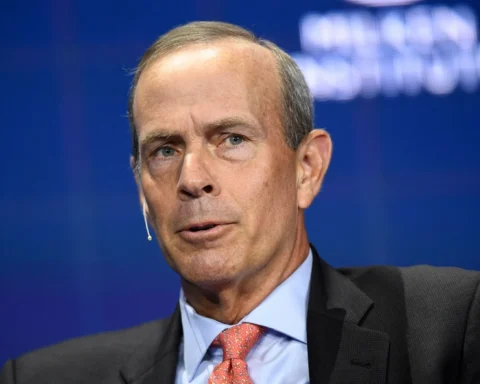
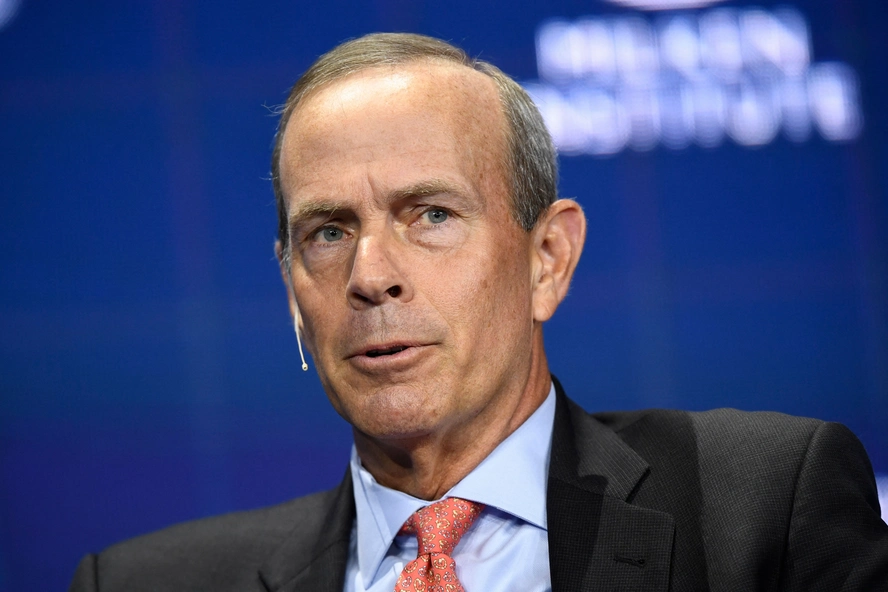
Chevron CEO Mike Wirth said the U.S.–Iran war has dealt a more severe blow to global oil markets than the conflict between Russia and Ukraine. Even if the Strait of Hormuz fully reopens soon, rebuilding supply flows, inventories, and logistics will take time, he noted.
Speaking at the CERAWeek by S&P Global conference in Houston, Wirth said significant volumes of oil and gas are currently not reaching the market. The issue, he explained, is not only the disruption itself but also the fact that physical supply chains do not recover instantly. Even after transit through the Strait resumes, it will take time to rebuild inventories of the right crude grades and fuel types.
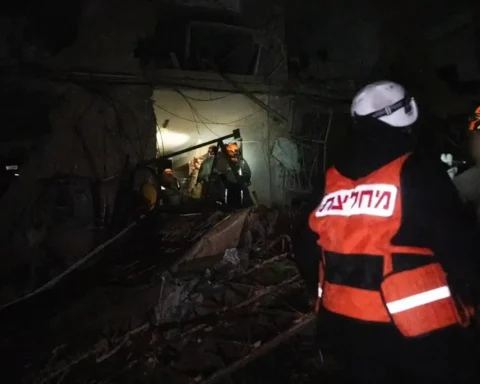
According to Wirth, Iran’s attacks on oil tankers and the broader impact of the Middle East war have inflicted more damage on oil and gas markets than the Russia–Ukraine war. The effects are particularly visible in Asia, where diesel and jet fuel supplies are tightening. The conflict has also delayed shipments of LNG, fertilizers, and other energy-related products.
A further complication is the difficulty of assessing the full extent of the damage. It remains unclear how much production has been shut in and how severely certain facilities have been affected, Wirth said.
At the same conference, U.S. Energy Secretary Chris Wright told oil executives that he expects the disruption to global oil and gas flows to be temporary, while urging companies to increase output. As Wright put it, markets are sending a clear signal: rising prices are effectively telling producers who can ramp up supply to do so.
This article was prepared based on materials published by Politico. The author does not claim authorship of the original text but presents their interpretation of the content for informational purposes.
The original article can be found at the following link: Politico.
All rights to the original text belong to Politico.