European capitals are now discussing what would have seemed unthinkable just a few years ago: how to respond to Russia in a way that deters Moscow without crossing dangerous red lines. According to Politico, EU and NATO member states are considering scenarios that include joint offensive cyber operations, faster attribution of hybrid attacks, and even surprise military drills near Russia’s borders.
“It’s time to act, not talk”
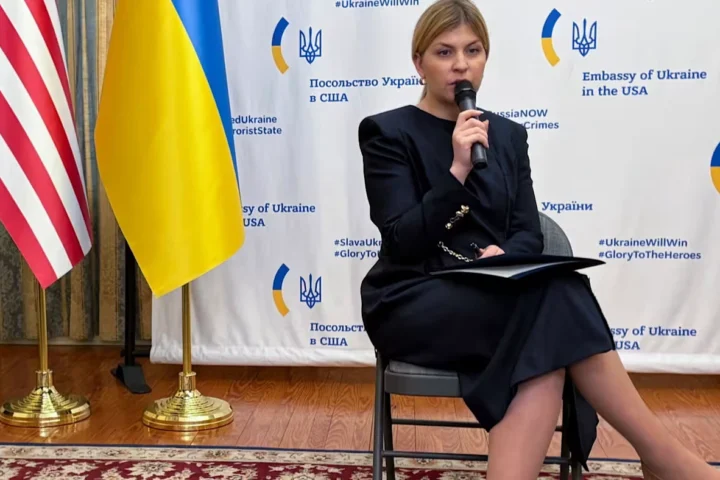
Latvian Foreign Minister Baiba Braže told the outlet that Moscow is “constantly testing the limits.” In her view, a more “proactive response” is now required, and meaningful signals must come from action, not words.
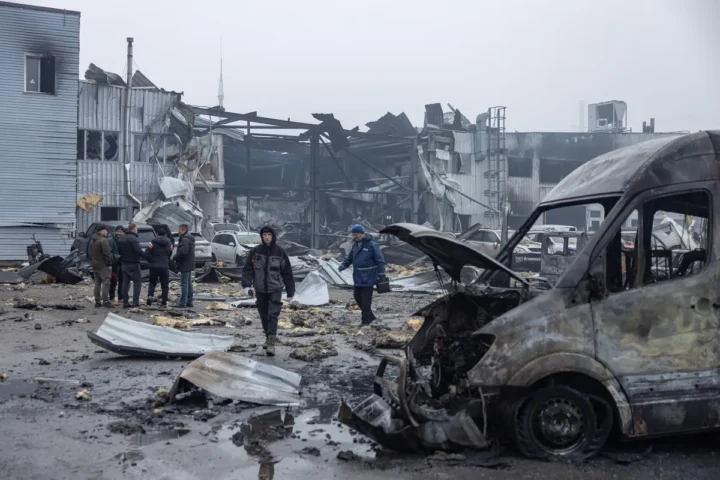
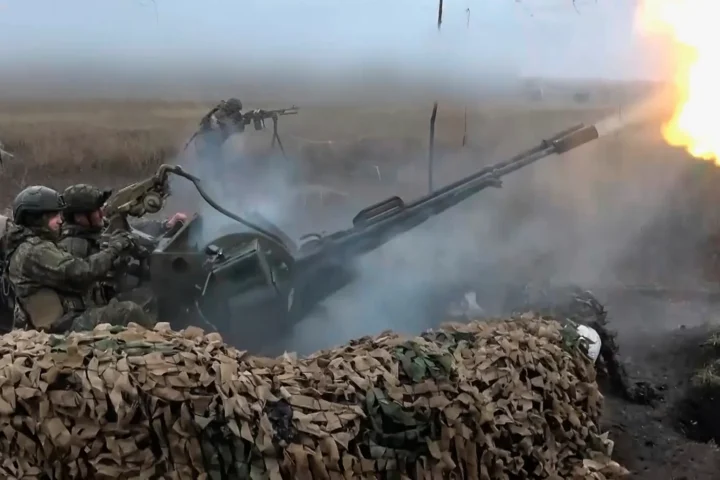
Russian drones have repeatedly violated the airspace of Poland and Romania, while mysterious UAVs have disrupted airports and military sites across Europe. Other incidents include GPS jamming, incursions by fighter jets and navy vessels, and even an explosion on a key Polish rail line used to transport military aid to Kyiv.
According to Politico, such incidents are no longer isolated — they have reached an unprecedented scale. Analysts at the Prague-based Globsec think tank counted over 110 acts of sabotage and attempted attacks in Europe between January and July, most of them in Poland and France, often involving individuals linked to Moscow.
“How long is Europe willing to tolerate this?”
Germany’s Deputy Defense Minister Florian Hahn says the alliance must decide how long it will endure hybrid warfare. Meanwhile, Swedish Chief of Defense Gen. Michael Claesson urges Europe not to fear escalation and to act resolutely.
Yet no European government wants to risk a direct conflict with a nuclear-armed Russia. Although Moscow increasingly views NATO and the EU as adversaries — a sentiment echoed by Dmitry Medvedev — Europe is seeking a careful balance: firm deterrence without triggering open war.
Defensive steps already anger the Kremlin
After Russian drones were shot down over Poland, NATO strengthened air defenses on its eastern flank. The EU followed suit — prompting aggressive rhetoric from Moscow. Medvedev, for instance, declared that Europeans “should tremble with fear.”
Meanwhile, repeated provocations are shifting the tone in Europe. Poland deployed 10,000 troops to protect critical infrastructure, and Prime Minister Donald Tusk accused Moscow of committing “state terrorism.”
Italy has also moved toward a tougher stance. Defense Minister Guido Crosetto unveiled a 125-page plan that calls for establishing a European Center for Countering Hybrid Warfare, creating a 1,500-strong cyber force, and training AI-specialized military personnel.
Where is the line of what’s acceptable?
Experts interviewed by Politico note that democratic states operate within legal constraints — and therefore cannot simply mirror Russia’s tactics. This raises a key question: can the EU respond using similar tools without undermining its own legal and ethical standards?
Some countries — including Denmark, the Czech Republic, and the U.K. — have already authorized offensive cyber operations. Germany and Romania are expanding security powers, including permission to shoot down drones near sensitive sites.
According to specialists, the most realistic response may involve targeting critical infrastructure supporting Russia’s war effort: drone production facilities such as the Alabuga economic zone, energy assets, and military logistics. The goal would be to disrupt key systems rather than escalate to open confrontation.
The information front
Europe must also strengthen its response to Russian disinformation campaigns. Because access to Russian public opinion is extremely limited, EU countries will need deeper cooperation with allies that better understand the Kremlin’s information ecosystem.
At the same time, diplomats emphasize that any new measures must retain “plausible deniability.”
A show of strength
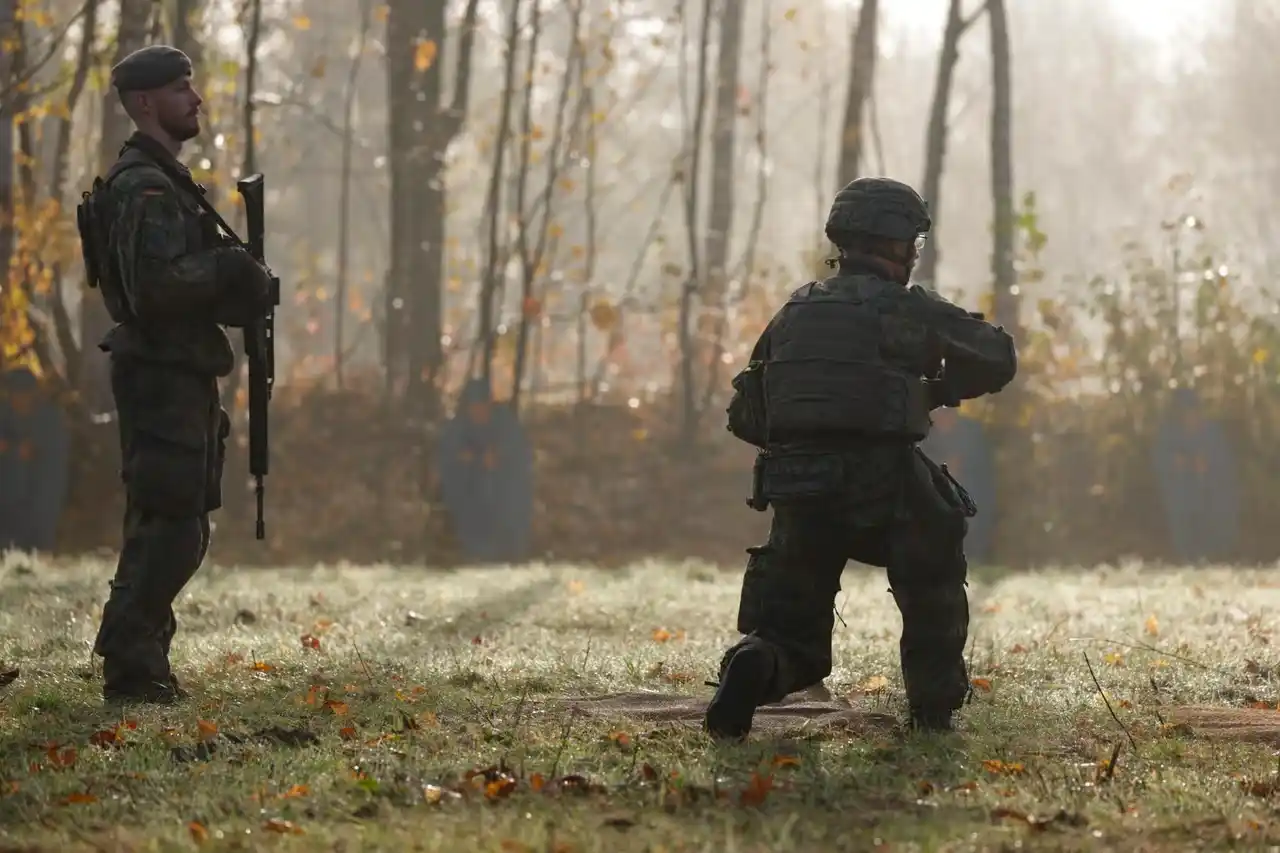
NATO remains a defensive alliance and is reluctant to engage in offensive actions. However, according to Politico, the alliance is discussing asymmetric responses and stronger displays of unity — including no-notice military exercises near Lithuania or Estonia and rapid announcements attributing hybrid attacks to Moscow.
The NATO-affiliated Hybrid Threats Centre of Excellence in Helsinki is already drafting new countermeasures and training officials from member states.
As one senior NATO diplomat stressed, Europe’s main task is to demonstrate vigilance, resolve, and the ability to rapidly redeploy resources as hybrid threats grow.
This article was prepared based on materials published by Politico. The author does not claim authorship of the original text but presents their interpretation of the content for informational purposes.
The original article can be found at the following link: Politico.
All rights to the original text belong to Politico.