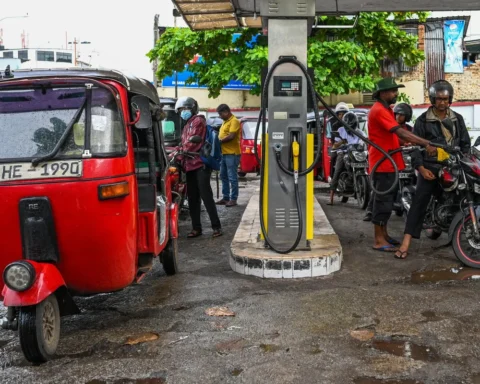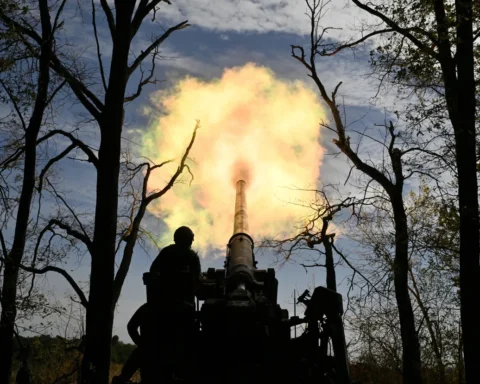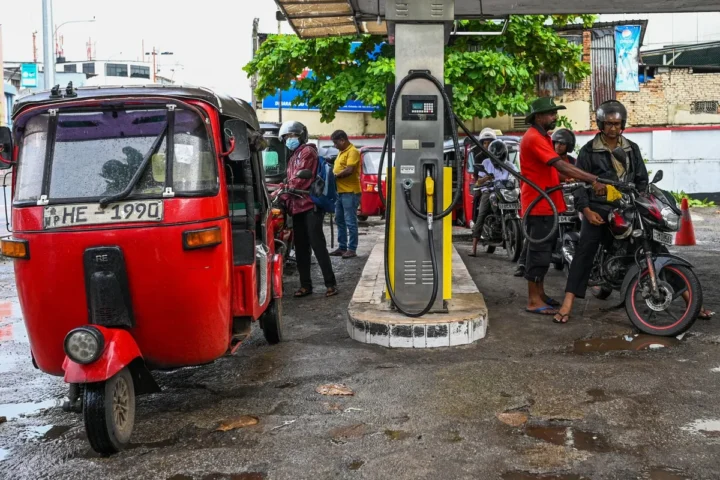
An energy shock with system-wide consequences
For weeks, analysts have focused on how the war in the Middle East may reshape global energy markets. But the implications go far beyond higher oil and gas prices. The longer the disruption persists, the more likely it is to evolve into a full-scale economic shock.
It is reasonable to assume that the conflict may drag on. If so, the impact will not be limited to commodities markets. Energy sits at the core of modern industrial systems, and through petrochemicals it connects — directly or indirectly — to almost every sector of the global economy.
In such a context, short-term forecasts and precise figures quickly lose relevance. What matters instead is the underlying logic of how crises propagate.
From energy disruption to industrial contraction
An energy shock is not confined to rising prices for oil, gas or refined products. When supply chains are disrupted over a sustained period, the shock quickly transmits into industry.
Shortages emerge not only in fuel, but in raw materials, intermediate goods, chemical inputs and metals. Industrial output becomes constrained, not necessarily because of demand, but because production itself becomes technically difficult or economically unviable.
This marks the transition from an energy shock to an industrial shock.
Why the services sector cannot remain insulated
A common misconception is that services can remain resilient even if industry weakens. In reality, the two are deeply integrated.
The industrial economy relies on a vast ecosystem of services:
- Transport and logistics — shipping, aviation, rail, trucking, pipelines, ports and freight forwarding
- Warehousing and inventory management
- Wholesale trade linking producers to markets
- Maintenance, diagnostics and repair of industrial equipment
- Utilities, including electricity, water and waste management
- Industrial engineering and technical preparation services
- Telecommunications infrastructure
- IT, automation and cybersecurity
- Industrial safety and security systems
- Legal and regulatory services
- Customs brokerage, certification and cross-border compliance
- Corporate consulting and market research
- Engineering, design and R&D
- Insurance services
- Financial intermediation and transaction support
- Recruitment and HR outsourcing
- Education and workforce training
- Marketing and advertising
- Auditing and accounting
- Investment services, including M&A and capital markets
As industrial activity slows, demand across this entire service ecosystem contracts almost simultaneously.
The corporate adjustment phase
The first visible impact appears within the corporate sector.
Companies respond to uncertainty and rising costs through a familiar set of measures:
- Cutting discretionary and variable spending
- Freezing or postponing investment projects
- Slowing hiring or initiating layoffs
- Reducing bonuses and overtime
- Moving employees to part-time arrangements
- Cutting external contractors and temporary staff
At this stage, aggregate income begins to decline at the macroeconomic level — both through lower wages and reduced employment.
The transmission to households
The crisis then moves beyond corporations and into households.
Consumers face multiple simultaneous shocks:
- Rising prices for fuel, transport, utilities and eventually a broad range of goods and services
- Loss of income or increased income volatility
- Deteriorating job security
- Rising real debt burdens
- Reduced access to credit
At this point, behaviour becomes a key driver. Households do not simply spend less because they earn less — they actively reduce consumption due to uncertainty about the future.
This “precautionary behaviour” is a well-documented feature of economic crises and tends to emerge across countries regardless of income levels.
The collapse of discretionary demand
The first category to be affected is non-essential spending.
Among services, this includes:
- Tourism and related transport
- Hotels and hospitality
- Restaurants and non-essential food delivery
- Entertainment and cultural activities — cinemas, theatres, events
- Fitness, beauty and wellness services
- Digital subscriptions and non-essential IT services
- Insurance products
- Financial services, particularly credit activity
- Household support services such as childcare, pet care and rentals
These sectors are highly sensitive to consumer confidence and typically experience the fastest contraction.
The illusion of “resilient” sectors
Even sectors that appear more stable are not immune.
Demand weakens in:
- Private healthcare (excluding emergency care), including elective procedures
- Private education and tutoring
- Housing improvements, renovations and construction
- Equipment repair and upgrades
- Premium telecommunications services, as consumers downgrade plans
Only at a later stage do households begin to cut spending on core services such as transport and utilities.
A global, not local, crisis
In developed economies, services account for 60–80 per cent of GDP. This means that once demand begins to contract, the effect becomes systemic.
The crisis does not remain confined to energy or industry. It cascades across sectors, geographies and income groups.
Consumption becomes increasingly “primitive”, focused only on essential needs. This final stage reinforces the downturn, as reduced demand feeds back into further cuts in production, employment and investment.
What begins as a regional energy disruption thus evolves into a global economic crisis — driven not only by supply constraints, but by a broad-based collapse in demand.