‘Absolutely Zero Impact’: CEO on the Prospect of Peace in Ukraine
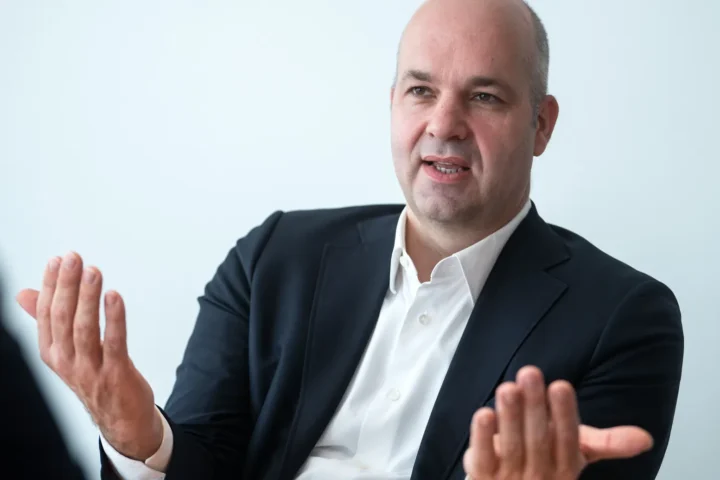
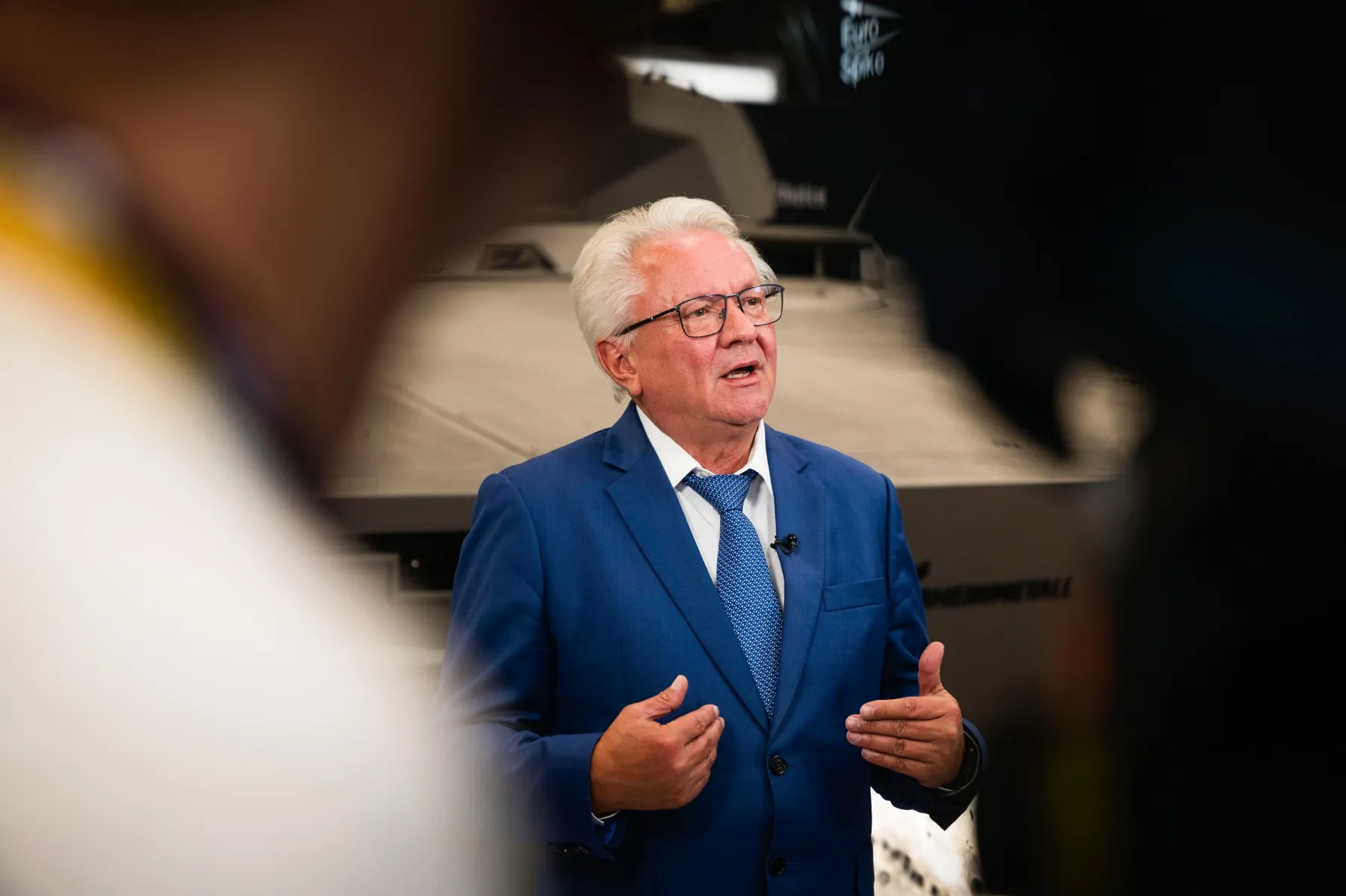
Rheinmetall CEO Armin Papperger has stated that even if peace is reached in Ukraine, it will have no effect on the company’s financial outlook. Speaking to Bloomberg Television, he emphasized that his personal desire to see the war end does not alter the company’s strategic forecast:
“It will have absolutely zero impact on our business,” he said.
According to Bloomberg, this level of confidence reflects long-term changes in Europe’s security policy, which increasingly position defense companies as the key beneficiaries of the coming decade.
The NATO Market Matters More Than the Ukrainian Track
Rheinmetall’s Ukraine-related contracts currently total about €1 billion. However, Papperger stressed that in the broader NATO context, this sum remains a relatively small part of the company’s portfolio.
He noted that Rheinmetall has already secured long-term agreements with alliance partners and is engaged in further negotiations. The company’s main growth will come from expanding defense programs within NATO, rather than from individual projects in Ukraine.
Frozen Russian Assets in the EU as a Potential ‘Accelerator’
Papperger also addressed the prospect of using frozen Russian assets held in Europe. In his view, such a decision could become a powerful “accelerator” for Europe’s defense industry, providing fresh financial resources for modernization.
SAFE and ASAP 2: A New Financial Architecture for European Defense
The Rheinmetall chief expressed strong support for two major EU initiatives:
- SAFE — a mechanism that helps EU states finance defense acquisitions;
- ASAP 2 — a program of direct support for defense companies.
He described SAFE as “the perfect instrument,” emphasizing that these programs form a foundation for sustained long-term demand for Rheinmetall’s products.
Strategy Through 2030: €50 Billion in Revenue and Margin Expansion
Rheinmetall aims to significantly grow its revenues over the coming years.
In November, the company announced a long-term strategy that includes:
- raising total revenue to €50 billion by 2030,
- increasing operating margins to above 20%,
- completing the sale of its less profitable civilian industrial division and focusing fully on defense technologies.
According to Bloomberg, these targets underscore the company’s confidence that Europe is entering a long cycle of increased defense investment.
The Main Challenge: Securing Supply Chains
Papperger identified the stability of supply chains for critical materials as Rheinmetall’s key challenge in the coming years.
He noted that:
- Rheinmetall has enough rare-earth materials for only 12 months of production,
- and sufficient cotton linters — essential for explosives — for four years.
These constraints, he said, limit the company’s ability to accelerate production expansion despite rising demand.
Expansion Across Europe and New Projects in Ukraine
Rheinmetall is actively expanding its production footprint across Europe:
- new facilities are being established throughout the continent,
- with a particular focus on Eastern Europe.
The company plans to begin construction of an ammunition and gunpowder plant in Ukraine early next year, following previous delays.
A maintenance hub for military vehicles is already operational in the country, providing on-the-ground support for Ukrainian partners.
Diversification: From Satellite Technologies to Naval Production
In 2024, Rheinmetall completed its acquisition of the shipbuilding company NVL, allowing the group to enter the naval defense sector.
At the same time, the company is developing satellite-system capabilities, expanding its presence in high-tech segments of the defense industry.
This article was prepared based on materials published by Bloomberg. The author does not claim authorship of the original text but presents their interpretation of the content for informational purposes.
The original article can be found at the following link: Bloomberg.
All rights to the original text belong to Bloomberg.