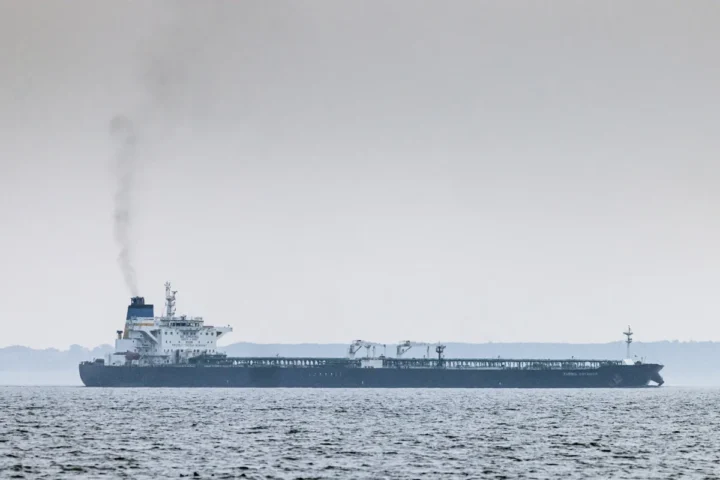
According to The Financial Times, Moscow is considering deploying armed naval patrols to protect vessels belonging to its so-called “shadow fleet,” which is used to export oil while circumventing Western sanctions.
The possible measures were outlined by Nikolai Patrushev, a long-time ally of Vladimir Putin and head of Russia’s Maritime Board. According to him, Russia could deploy “mobile firing groups” to escort tankers flying the Russian flag, as well as equip the vessels themselves with “special means of defense.”
Response to Attacks and Tighter Control
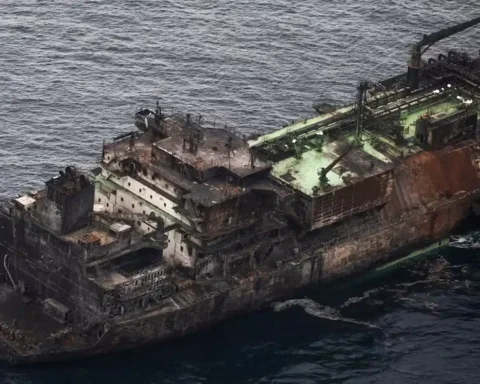
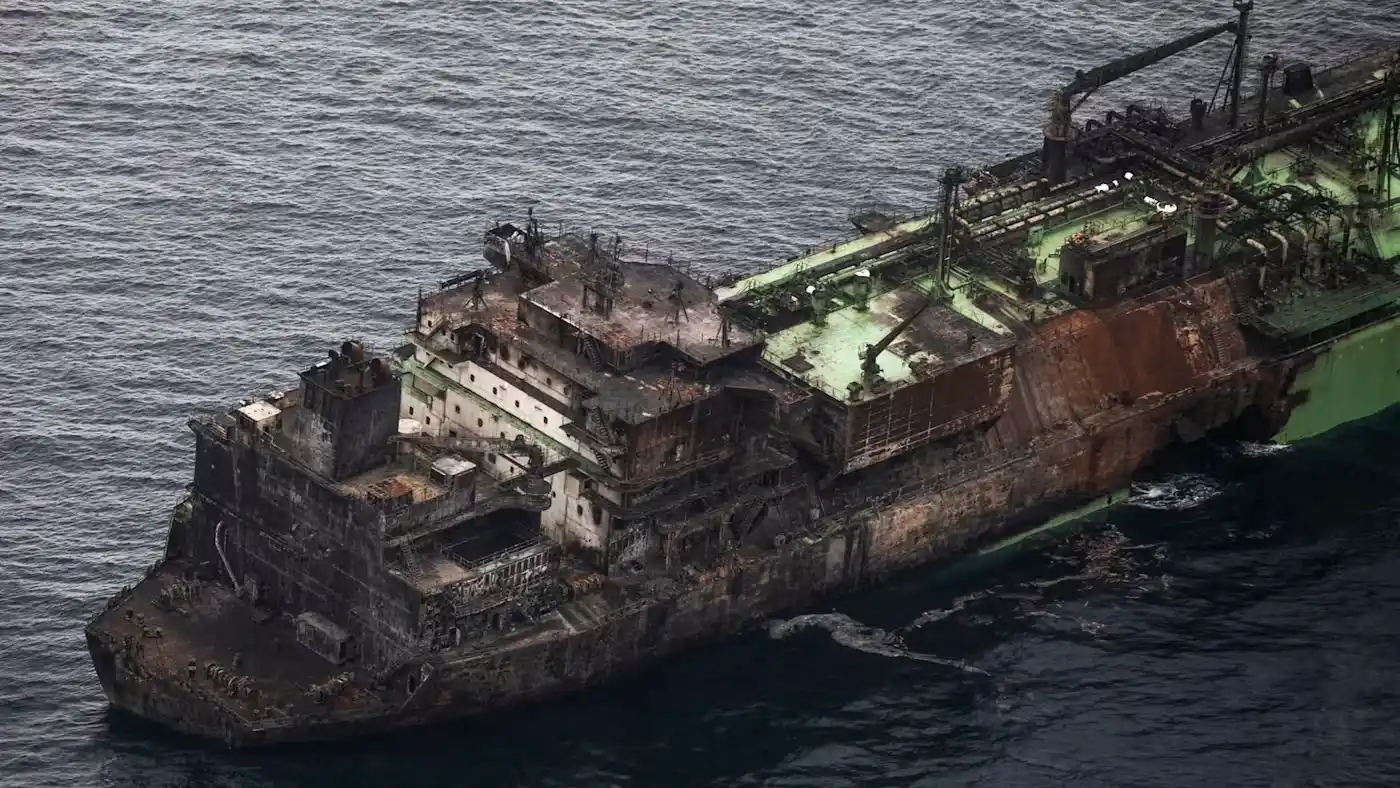
Patrushev’s statements reflect growing concern in Moscow over attacks on oil tankers. Russian authorities link these incidents to Ukraine, which they claim has used naval drones to strike vessels.
Patrushev said that an “unprecedented campaign” is being carried out against Russian shipping and stressed the need for a response. In particular, Moscow plans to increase inspections of vessels entering its ports and tighten control over export cargo.
He also noted that Russia is already monitoring maritime shipments in real time to prevent attacks and could deploy its navy to enhance protection for civilian vessels.
Shift Toward Direct Control of the Fleet
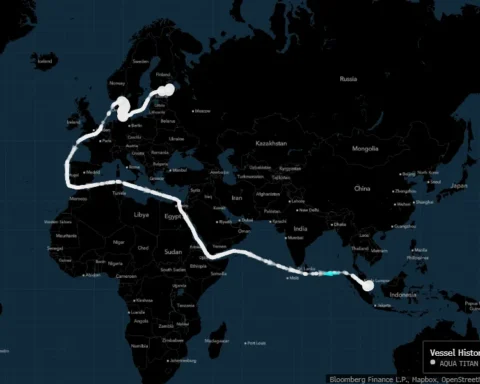
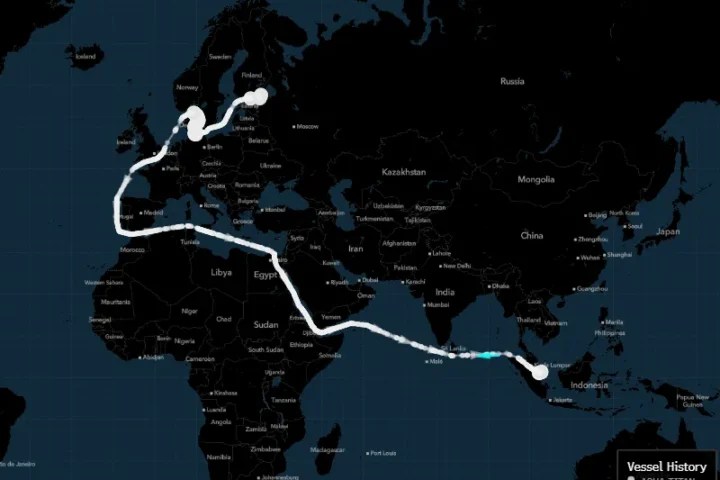
According to The Financial Times, Russia is gradually moving away from the previous model in which the “shadow fleet” operated under third-country flags and used various concealment methods, including GPS spoofing.
More and more vessels are now switching to the Russian flag, indicating Moscow’s intention to bring this segment of shipping under more direct control. Patrushev explicitly emphasized the need to develop domestic maritime capabilities — including fleet capacity, shipbuilding and repair, port infrastructure, operations, and insurance.
He stated:
“Russia must first and foremost have its own capacity for maritime transport — a fleet, shipbuilding and repair facilities, port infrastructure, operational systems, insurance, and so on.”
He added:
“One of the most damaging delusions was the idea that we do not need a national merchant fleet and can always save money by using dubious schemes and ‘flags of convenience.’”
Geopolitical Context and Rising Tensions at Sea
Patrushev’s remarks come amid rising tensions in global maritime logistics. According to The Financial Times, they are also partly linked to US initiatives to escort tankers in the Strait of Hormuz.
Russia is reportedly sharing intelligence with Iran, including information on the location of US military assets in the Middle East, increasing the level of confrontation.
At the same time, Vladimir Putin has avoided direct criticism of US actions while offering to mediate in dialogue with Tehran.
Risks to Global Trade and Energy Markets
Patrushev described the situation as a “tragedy” that could set global trade and economic relations back for years.
He said:
“In essence, Operation Epic Fury is reshaping the global energy market and destroying maritime logistics.”
He added:
“There is nothing epic about this — the world is witnessing a tragedy with unpredictable humanitarian and economic consequences.”
According to him, current developments are disrupting established supply chains and creating long-term risks for the global economy.
Short-Term Gains and Long-Term Risks
Although rising oil prices driven by geopolitical tensions are bringing Russia additional revenue — up to $150 million per day — Patrushev считает this effect temporary.
In his view, potential damage to Russia’s long-term partners in the Middle East and disruptions to stable trade relations outweigh short-term financial gains.
At the same time, US decisions allowing shipments of sanctioned Russian oil to India highlight growing differences between American and European approaches to sanctions.
As Blackstone Compliance director David Tannenbaum noted, such measures appear contradictory and could “embolden” shadow fleet vessels, effectively reducing the impact of restrictions.
This article was prepared based on materials published by The Financial Times. The author does not claim authorship of the original text but presents their interpretation of the content for informational purposes.
The original article can be found at the following link: The Financial Times.
All rights to the original text belong to The Financial Times.