Incident Near the Turkish Coast
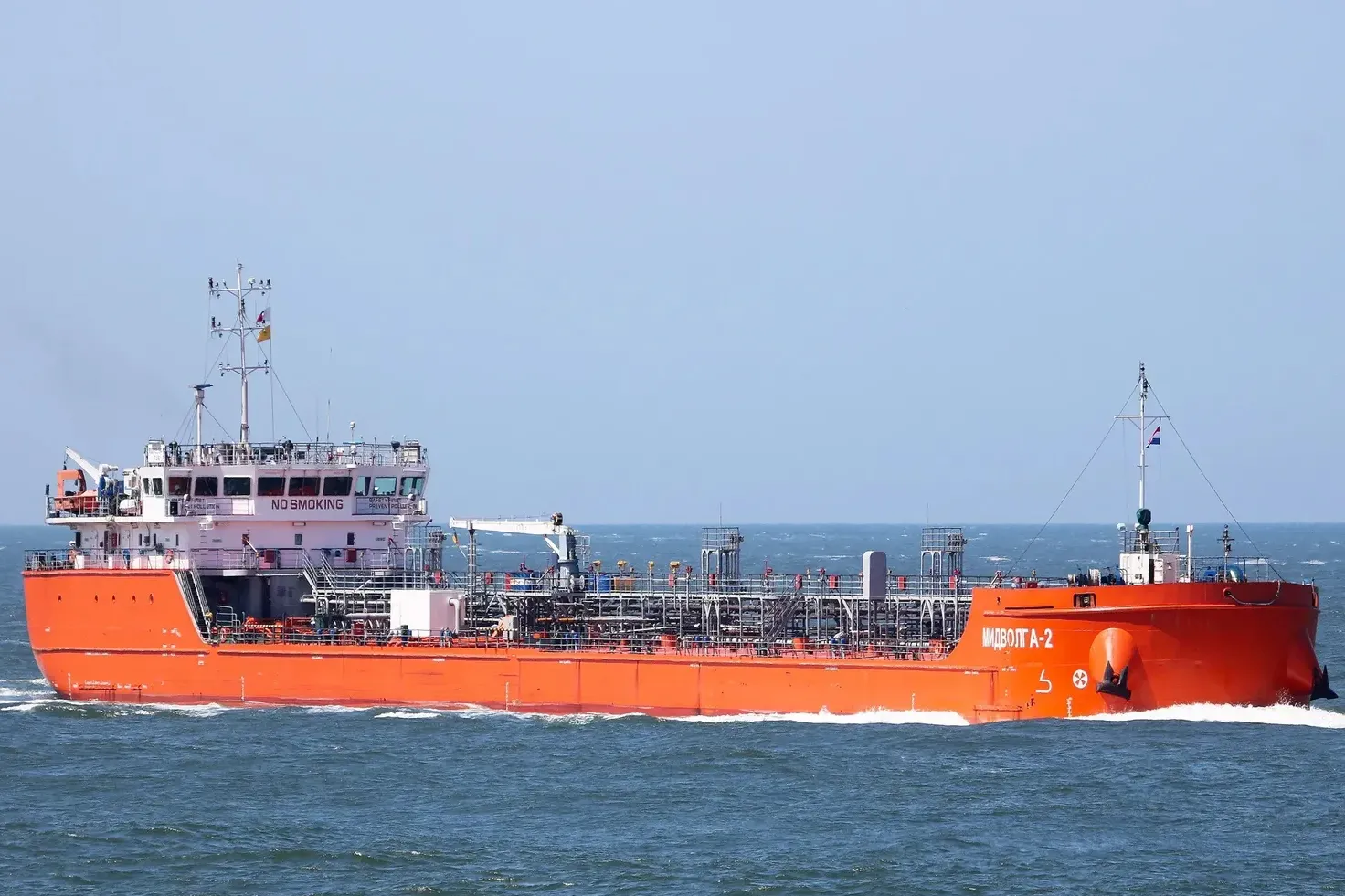
A Russia-flagged vessel, Midvolga-2, came under attack in the Black Sea approximately 80 miles off Turkey’s northern shoreline. Turkish authorities confirmed that this was the fourth attack on Russian or Russia-linked ships in a single week, highlighting a sharp escalation in regional maritime risks.
According to a statement by Turkey’s Directorate of Maritime Affairs, published on X, the tanker was traveling from Russia to Georgia carrying a shipment of sunflower oil. Despite the strike, all 13 crew members remained unharmed. The ship did not request assistance and continued sailing toward the port of Sinop under its own power.
“The vessel retains the ability to move using its own engines,” Turkish officials said.
A Chain of Attacks on Russia-Linked Vessels
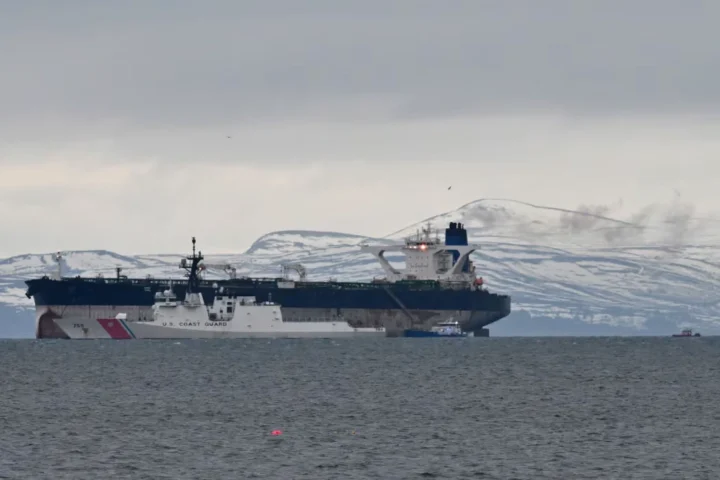
The incident involving Midvolga-2 is part of a broader pattern of attacks targeting ships involved in Russian oil logistics. In recent days, Ukraine has claimed responsibility for strikes on two tankers sanctioned for transporting Russian crude. Both ships sustained damage following explosions off Turkey’s Black Sea coast.
Another tanker, also connected to Russian shipping networks, was hit by blasts near the coast of Senegal — far beyond the Black Sea — underscoring the widening geographical scope of the conflict at sea.
According to Bloomberg, these episodes appear to form part of a wider strategy aimed at pressuring Russia’s maritime supply chains. Analysts at the agency say the increasing frequency of attacks reflects an effort by Kyiv to disrupt transportation routes used for Russian energy exports and related cargo, making maritime operations less predictable.
Shipowner’s Response and International Context
Maritime database Equasis lists the tanker’s owner as the Moscow-based company Mazk Management. The firm did not immediately respond to a request for comment.
These attacks come amid ongoing military and political tensions between Ukraine and Russia, with the naval dimension becoming increasingly prominent. The Black Sea remains a high-risk zone, and repeated incidents involving commercial vessels are raising concerns among coastal states and international maritime regulators.
Implications for Maritime Security
The growing number of attacks is placing additional pressure on the shipping industry. Regional countries are recalibrating their monitoring efforts, while insurance providers are reassessing premiums for vessels operating in high-risk waters.
Experts note that if such attacks become more frequent, global shipping routes may need to be reconfigured, leading to substantial financial losses for operators. Vessels transporting sanctioned cargoes or owned by companies tied to Russia’s energy sector remain particularly vulnerable.
This article was prepared based on materials published by Bloomberg. The author does not claim authorship of the original text but presents their interpretation of the content for informational purposes.
The original article can be found at the following link: Bloomberg.
All rights to the original text belong to Bloomberg.