Ambitious targets meet the reality of restrictions
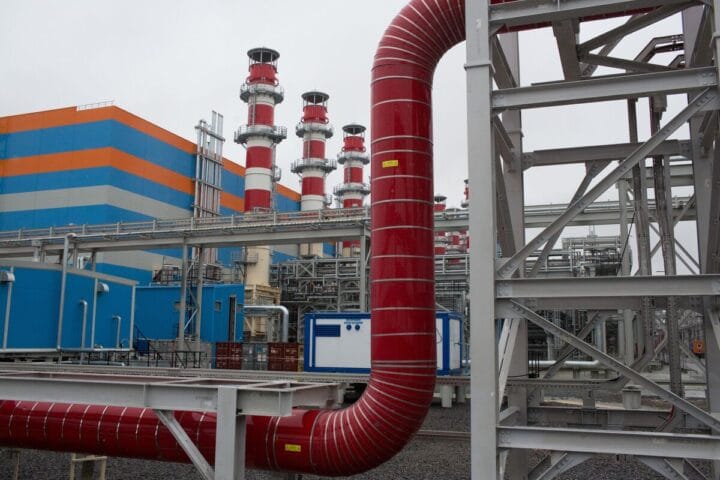
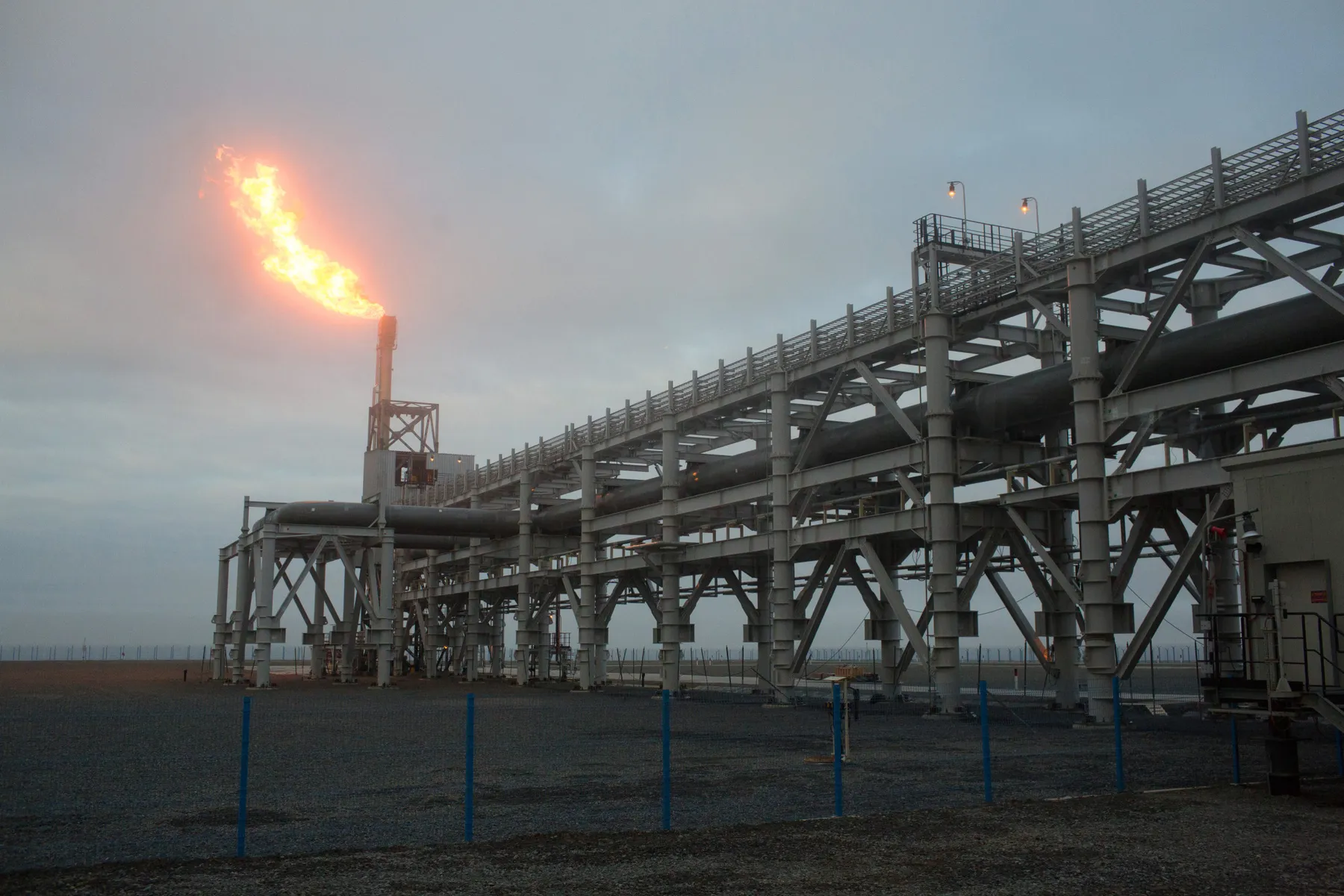
Russia’s plans to triple its liquefied natural gas (LNG) output have run into serious delays. Deputy Prime Minister Alexander Novak acknowledged that international sanctions have pushed back the timeline for reaching previously announced targets. According to him, the goal of producing 100 million tons of LNG per year remains in place, but “sanctions-related restrictions inevitably mean a delay of several years.”
Novak did not specify a new deadline, limiting himself to the admission that the original timeframe is no longer realistic.
From 2030 goals to a strategic rethink
Moscow had initially aimed to lift LNG production to 100 million tons annually by 2030, which would have given Russia roughly a 20% share of the global market. However, in the view of Bloomberg, those ambitions have been undermined by successive rounds of sanctions imposed by Western countries, particularly the United States.
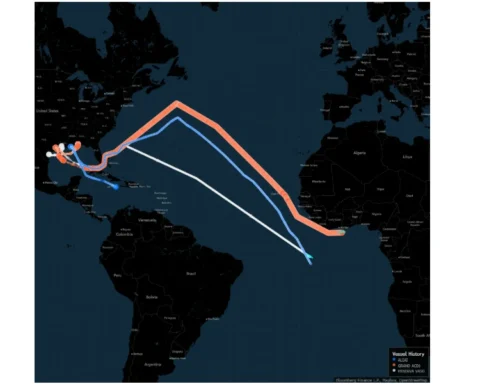
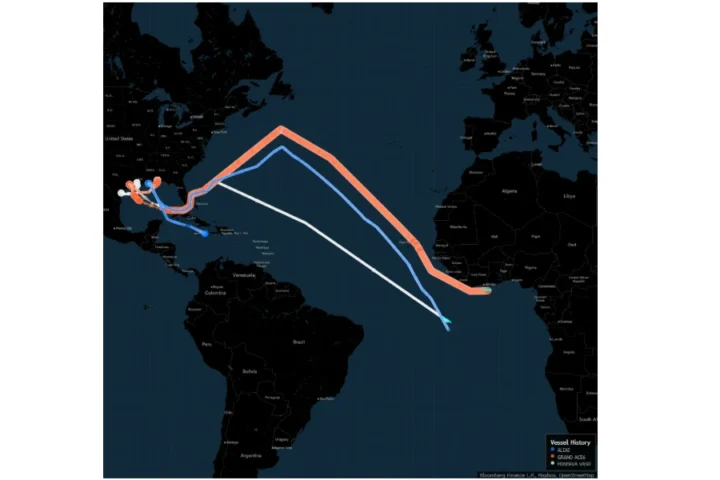
The restrictions extend beyond new projects to include logistics. Sanctions have targeted vessels used to transport LNG and future investment initiatives in the sector. Western governments say the aim of these measures is to curb Kremlin revenues that are being used to fund the war in Ukraine.
Exceptions and alternative routes
The United States has blacklisted all current and future Russian LNG projects, making an exception only for Yamal LNG, which is led by Novatek PJSC. Even so, Russia has managed to partially redirect its exports despite the restrictions.
Discounted LNG cargoes subject to sanctions have increasingly found buyers in China, a country that does not recognize Western measures. As a result, shipments to Asia have not only continued but, in some cases, expanded.
China as the main growth market
Last month, Russia became the largest supplier of LNG to China, overtaking Australia. This development highlights that, despite Western pressure, Moscow has been able to strengthen its position in certain regional markets, particularly in Asia.
Analysts caution, however, that this pivot does not fully offset the loss of access to technology, financing, and insurance — all of which are critical for a large-scale expansion of LNG production.
Current output and future prospects
According to figures published by Interfax, citing data from the Federal State Statistics Service, Russia produced nearly 30 million tons of LNG in the first 11 months of 2025. That level falls well short of what would be required to meet the country’s earlier strategic targets.
As a result, plans to triple LNG output remain formally in place, but in practice their realization increasingly depends on geopolitics, Russia’s ability to navigate sanctions, and the depth of its energy ties with Asian partners.
This article was prepared based on materials published by Bloomberg. The author does not claim authorship of the original text but presents their interpretation of the content for informational purposes.
The original article can be found at the following link: Bloomberg.
All rights to the original text belong to Bloomberg.