
Military Operation and the Detention of Venezuela’s President
Following a series of U.S. strikes on targets inside Venezuela, Washington announced that it had effectively assumed control over the country. President Donald Trump, speaking at a press conference at his Mar-a-Lago residence, said the United States would “run Venezuela” until a “safe, proper, and judicious transition” could be put in place.
A central element of the operation was the arrest of Venezuelan leader Nicolás Maduro. According to Trump, Maduro and his wife were captured in Caracas and removed from the country during a joint U.S. military and law-enforcement operation. They were transported aboard the USS Iwo Jima and later flown to Stewart Airport in New York, where Maduro was handed over to U.S. authorities.
Justice Department Charges and the “Cartel de los Soles”
The U.S. Department of Justice charged Maduro and five other individuals with playing key roles in an international drug-trafficking network known as the “Cartel de los Soles.” Prosecutors allege that the group helped move large shipments of cocaine toward the United States over an extended period.
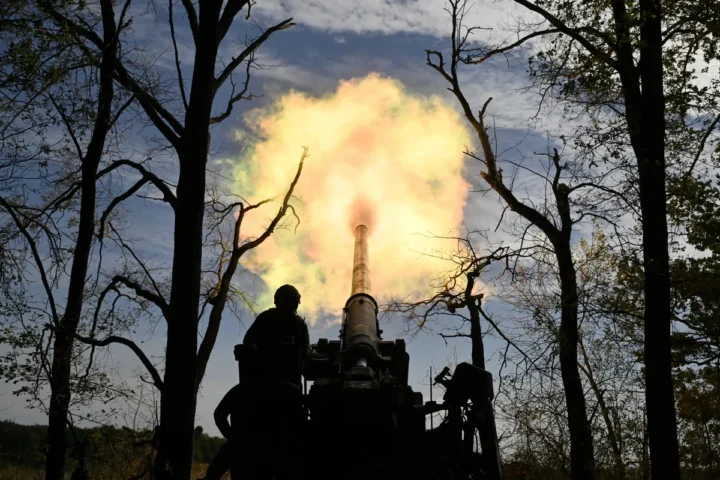
At the same time, Caracas and the coastal states of Miranda, Aragua, and La Guaira were shaken by explosions as part of an operation codenamed Absolute Resolve. Chairman of the Joint Chiefs of Staff Gen. Dan Caine said the mission was the culmination of months of planning and rehearsal, involving more than 150 aircraft launched from 20 land and sea bases across the Western Hemisphere.
Caracas Responds: Mobilization and Accusations of Imperialism
Venezuela’s vice president, Delcy Rodríguez, called for Maduro’s immediate release and announced a general mobilization of the country’s “social and political forces.” In official statements, the Venezuelan government described U.S. actions as an “imperialist attack” and a violation of national sovereignty.
Oil, Investment, and U.S. Corporations
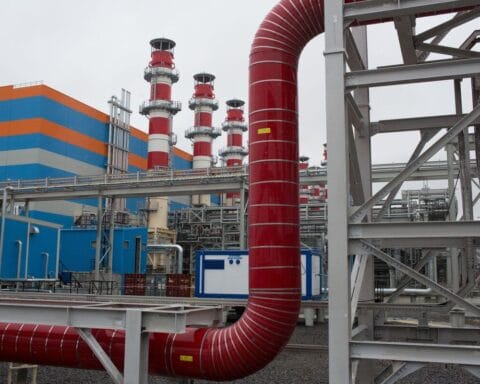
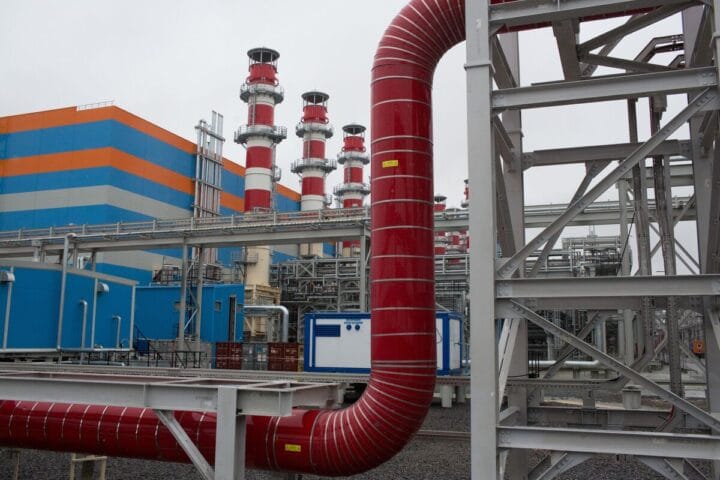
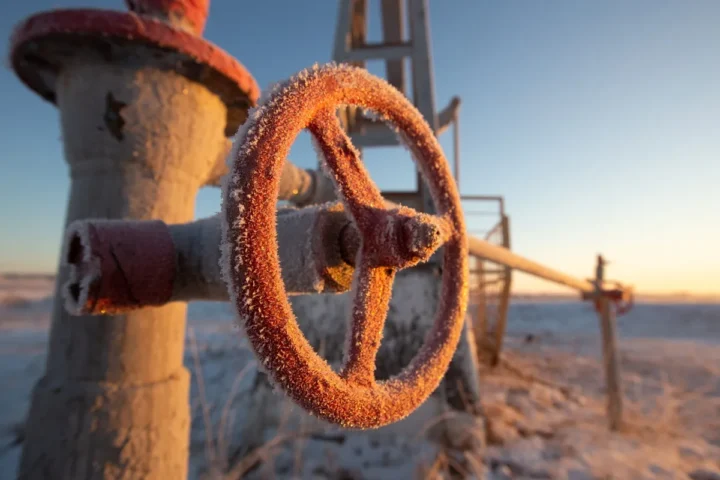
President Trump placed particular emphasis on the economic dimension of Washington’s plans. He said U.S. oil companies were prepared to invest billions of dollars to repair and modernize Venezuela’s dilapidated oil infrastructure. According to Trump, the country possesses “tremendous wealth underground,” which the United States intends to extract and partially share with the Venezuelan population.
In the view of The Wall Street Journal, control over Venezuela’s vast energy resources could become a cornerstone of Washington’s strategy in the post-Maduro era, both geopolitically and in terms of global energy markets.
Who Governs Venezuela Next?
The political future of the country remains unclear. According to senior administration officials, Trump’s national-security team—including Secretary of State Marco Rubio, homeland security adviser Stephen Miller, and Defense Secretary Pete Hegseth—is working on possible frameworks for post-Maduro governance.
Trump acknowledged that U.S. plans could include “boots on the ground,” saying the American military is prepared for a “second wave” to take control if necessary. He added, however, that such a step would likely not be required.
Doubts About the Opposition
The U.S. president also expressed skepticism about Venezuela’s opposition leadership. He questioned the domestic legitimacy of María Corina Machado, arguing that despite her international recognition and Nobel Peace Prize, she lacks sufficient support and respect within the country to govern effectively.
At the same time, Trump said he could work with Vice President Delcy Rodríguez, effectively recognizing her as Venezuela’s current de facto leader.
Unanswered Questions
It remains uncertain how long the United States intends to oversee Venezuela, who will ultimately lead the country after a transition, and whether Washington will finance large-scale economic reconstruction. As many observers note, the unfolding situation could represent one of the most far-reaching examples of direct U.S. intervention in another nation in recent decades—one with potentially profound consequences for Latin America and global politics.
This article was prepared based on materials published by The Wall Street Journal. The author does not claim authorship of the original text but presents their interpretation of the content for informational purposes.
The original article can be found at the following link: The Wall Street Journal.
All rights to the original text belong to The Wall Street Journal.