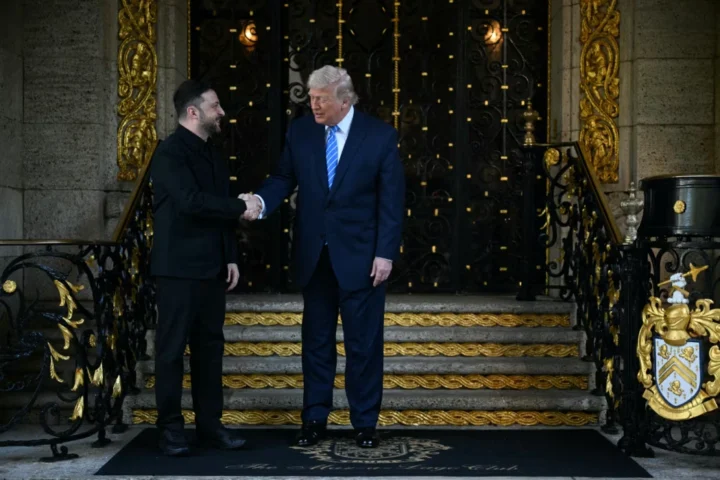
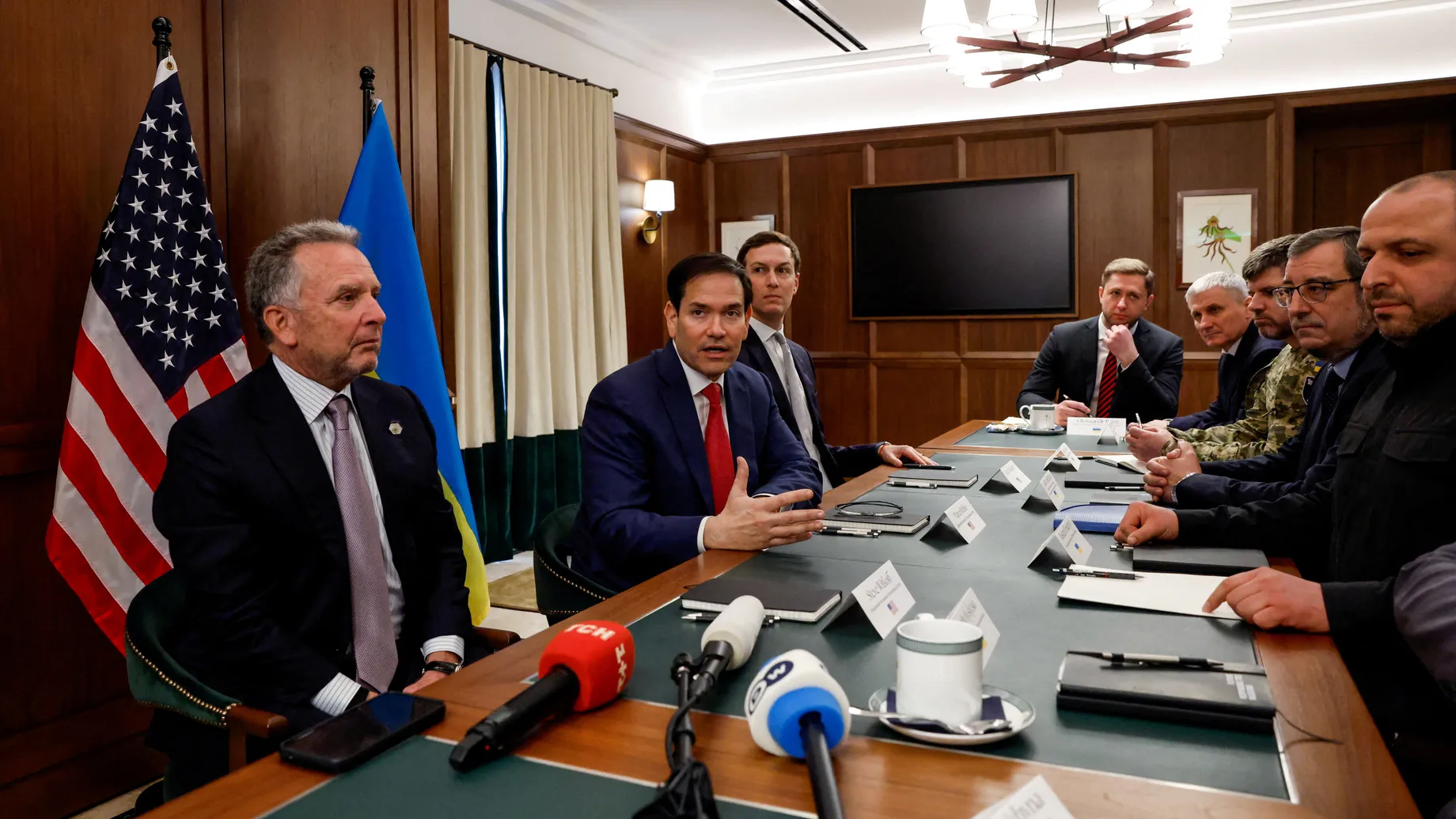
American and Ukrainian delegations continue negotiations in Florida on a potential end to the Russian-Ukrainian war. U.S. special envoy Steve Witkoff stated that the success of any peace process depends entirely on whether Moscow demonstrates “genuine commitment to long-term peace.” According to him, real progress is possible only if the Kremlin is ready to take steps toward de-escalation and a halt to hostilities.
According to Der Spiegel, Washington’s central position is that meaningful breakthroughs can only occur once the Russian leadership acknowledges the need to adjust its current course, including the demands that Moscow has made since the early months of the war.
Unity Between Washington and Kyiv
Witkoff and the U.S. State Department reported that during two days of intensive consultations, the parties agreed on the basic elements of a future security architecture. These include the preliminary parameters of “security agreements” and a set of deterrence measures intended to ensure a stable peace.
The American side deliberately avoids the term “security guarantees,” as the issue remains highly sensitive. Ukraine and its European allies insist on legally binding guarantees that would prevent new Russian aggression. The United States, however, prefers to discuss the conceptual framework without fixing formal terminology for now.
In addition to security questions, the delegations are assessing possible areas for Ukraine’s post-war reconstruction and exploring joint economic initiatives.
From Moscow to Florida: The Negotiation Route
Part of the discussion is based on the recent visit by Steve Witkoff and Jared Kushner — the son-in-law of President Donald Trump — to Moscow. There they met with Vladimir Putin and presented Washington’s vision for a potential end to the war.
In Florida, Witkoff and Kushner provided the Ukrainian delegation — which included former Defense Minister Rustem Umerov and Chief of the General Staff Andriy Hnatov — with a detailed briefing on the Kremlin’s reaction to the proposals.
According to participants, Moscow speaks of being “ready for dialogue,” but at the same time insists on its longstanding and uncompromising conditions.
Russia’s Hardline Demands Remain Unchanged
The Kremlin continues to demand:
- the legalization of new territorial borders and the transfer of the entire Donbas to Russia, including areas not currently under its control;
- Ukraine’s formal renunciation of NATO membership.
Kyiv, which relies heavily on U.S. and European assistance, confirms its readiness to discuss conditions for peace but rejects any plan that would amount to capitulation or loss of sovereignty.
The American Plan: From Criticism to Revision
The foundation of the current negotiations is the Ukraine plan presented by the United States almost three weeks ago. Its initial version faced strong criticism in Kyiv and in several European capitals, where it was viewed as excessively favorable to Moscow.
As Der Spiegel reported, the original draft included:
- Ukraine’s abandonment of its NATO bid;
- a significant reduction of Ukrainian armed forces;
- the transfer of the entire Donbas to Russia.
Following the backlash, the document was thoroughly revised. However, very little has been revealed about the updated version. It is only known that Washington is trying to balance Ukraine’s security needs with the interests of its European allies.
Prospects: Is a Breakthrough Possible?
Negotiations in Florida are expected to continue today. Washington emphasizes that it seeks a “realistic path to peace,” but only if the Kremlin demonstrates readiness for compromise.
Analysts note that the parties’ positions remain far apart. Moscow wants to solidify the status quo, Ukraine insists on restoring control over its territories, and the United States aims for a peace formula that would not pave the way for a new war in the coming years.
According to Der Spiegel, the likelihood of a rapid breakthrough remains low: the fundamental interests of Moscow and Kyiv do not align, while Washington is trying to prevent the negotiation process from collapsing.
This article was prepared based on materials published by Der Spiegel. The author does not claim authorship of the original text but presents their interpretation of the content for informational purposes.
The original article can be found at the following link: Der Spiegel.
All rights to the original text belong to Der Spiegel.