Belgorod as a Symbol of a New Reality
Nearly four years after the start of the full-scale war in Ukraine, the consequences of the conflict are increasingly being felt not only beyond Russia’s borders but within the country itself. While the Kremlin has long portrayed the fighting as something distant from the daily lives of ordinary Russians, developments in the border regions suggest otherwise.
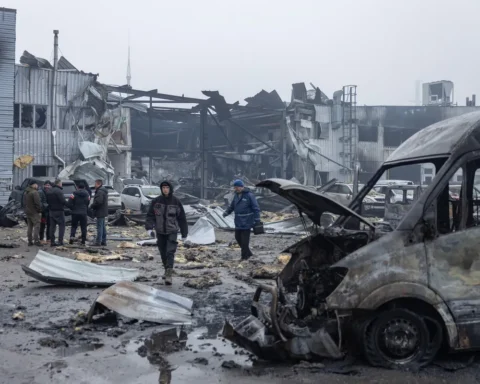
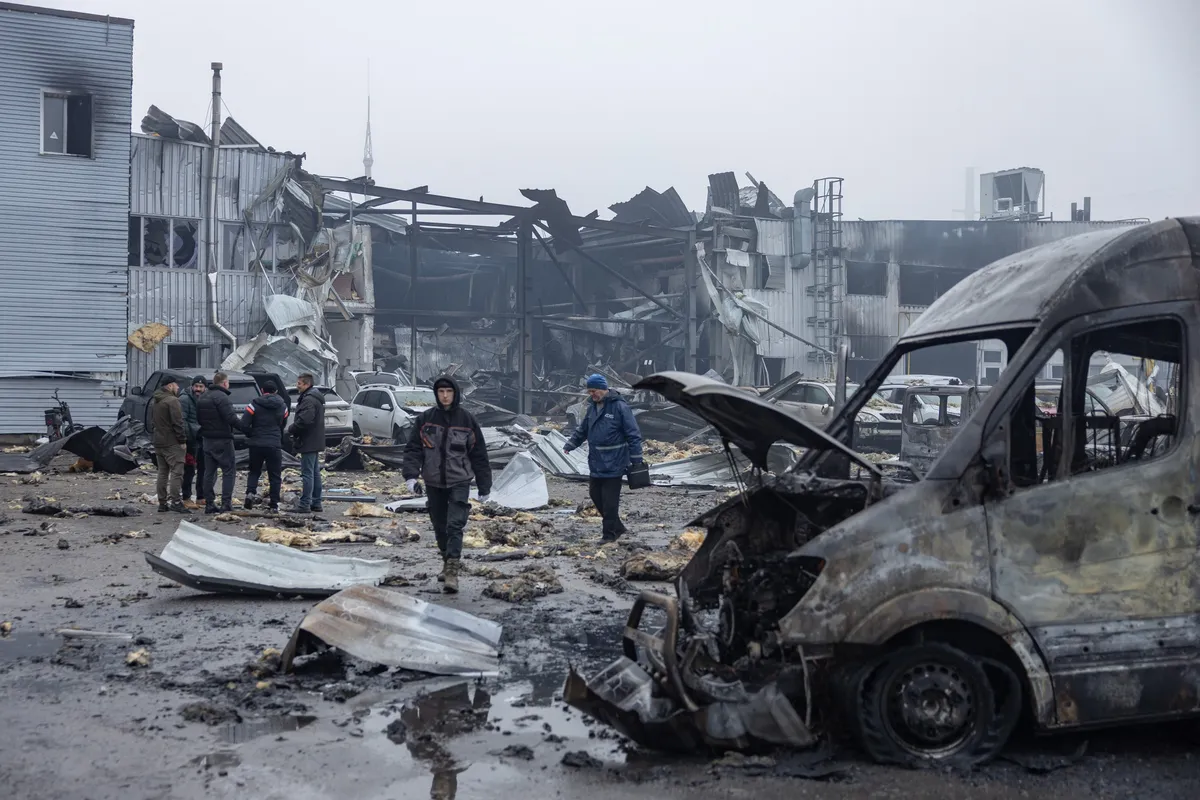
Belgorod, a city of about 322,000 people located just 40 kilometers from the Ukrainian border, has become one of the clearest examples. A series of missile strikes has caused serious damage to the region’s energy infrastructure. The destruction is so extensive that some residents may remain without hot water for the rest of the heating season.
According to Bloomberg, Belgorod has become the most visible illustration of how the front line is gradually shifting closer to Russian territory, bringing with it the same threats to utilities and civilian infrastructure that have defined daily life in many Ukrainian cities since 2022.
Winter Without Heat and Light
Winter has only intensified the crisis. Temperatures in the region are dropping as low as minus 10 degrees Celsius, while ongoing attacks complicate repair efforts.
Belgorod Governor Vyacheslav Gladkov reported that around 80,000 residents were temporarily left without heating. Approximately 3,000 people lost gas supplies, and about 1,000 were without electricity. Authorities announced a partial evacuation, relocating children, large families, elderly people living alone, and households with disabled children to neighboring regions until conditions stabilize.
Other border regions face similar challenges. In the Bryansk region, residents spent a weekend without electricity and heating following what officials described as one of the largest drone attacks since the conflict began. According to official data, 120 drones were downed within half a day.
The Kursk region also remains under repeated drone attacks. After intense fighting last year to reclaim territory seized during Ukraine’s surprise incursion in 2024, the area continues to live under constant threat.
Moscow Downplays the Impact
Despite the growing humanitarian risks, federal authorities in Moscow rarely emphasize the situation in the border areas. President Vladimir Putin has made few public remarks about the plight of these regions, and national television channels devote limited coverage to the issue.
Information about the scale of the destruction primarily comes from regional administrations and is released intermittently. Public criticism of the country’s top leadership over the war’s domestic consequences remains virtually absent.
A Stark Parallel With Ukraine
While high-school students in Russia’s border regions have been allowed to skip final state exams due to what officials describe as an “unstable situation,” many schools in Ukraine continue to hold classes in underground shelters to protect children from missile and drone strikes.
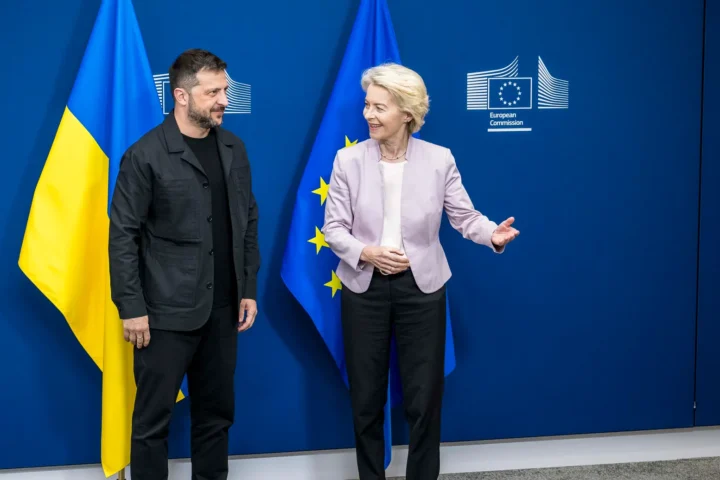
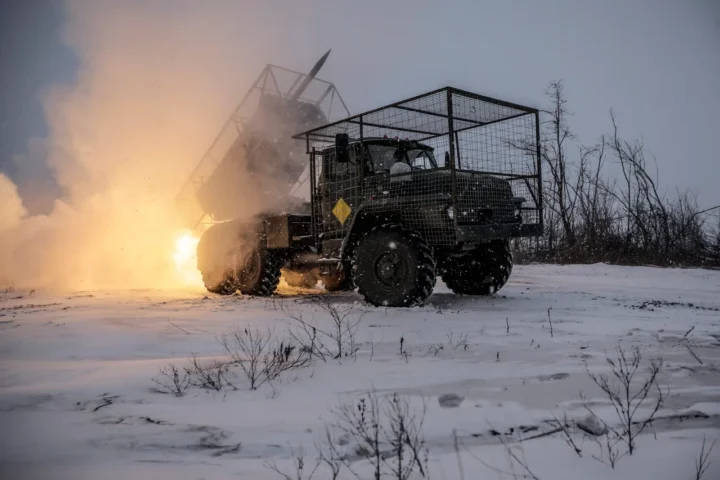
Ukrainian President Volodymyr Zelenskiy said that in the week before upcoming international negotiations, Russia launched about 1,300 strike drones, more than 1,200 guided aerial bombs, and 50 missiles at Ukraine, targeting energy and civilian infrastructure.
Zelenskiy held meetings with officials from Kyiv as well as the Kharkiv, Zaporizhzhia, Poltava, and Sumy regions to assess the damage and prepare for talks with European partners and Group of Seven allies.
Living Under Constant Alarm
In Belgorod, warning announcements have become part of everyday life. “Attention! Missile threat!” echoes regularly through loudspeakers across the city.
Natalia, a 62-year-old teacher, says children can now distinguish by sound the difference between a missile launch, an incoming strike, and air defense activity.
“Students and parents live in a state of constant stress,” she explains.
These words reflect a new reality for tens of thousands of Russians. A war long presented as distant is increasingly reshaping life in the country’s own border regions. Damaged infrastructure, evacuations, and disruptions to heat and electricity are becoming part of the domestic landscape.
In Bloomberg’s assessment, these developments may represent one of the most significant long-term consequences of the war for Russian society — as the front line is felt not only on the map but in everyday life.
This article was prepared based on materials published by Bloomberg. The author does not claim authorship of the original text but presents their interpretation of the content for informational purposes.
The original article can be found at the following link: Bloomberg.
All rights to the original text belong to Bloomberg.