Kyiv Coordinates Its Position With the US and Europe
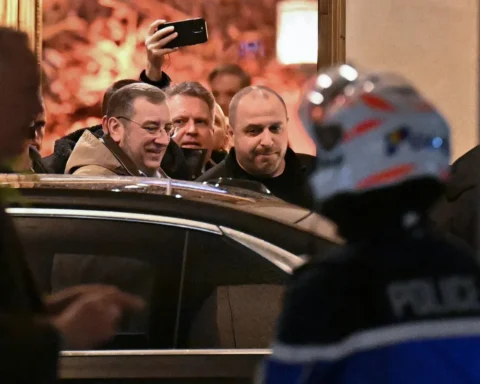
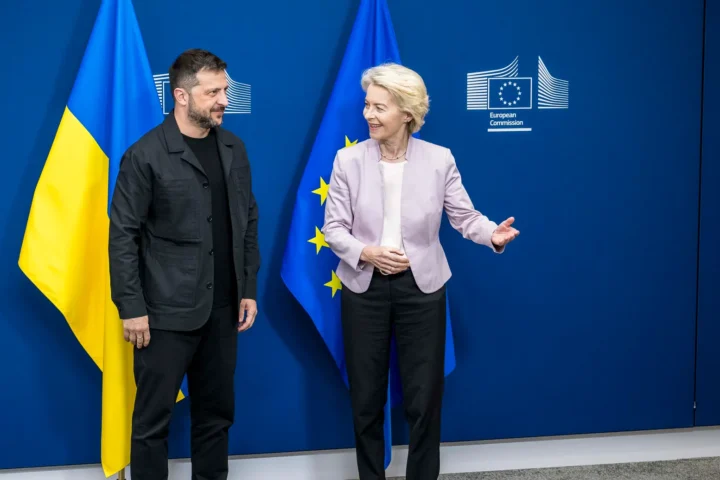
Ukraine and Russia are set to begin a second day of US-brokered talks in Geneva. Ahead of the new round, Kyiv held separate consultations with American and European partners to align positions and coordinate a shared approach.
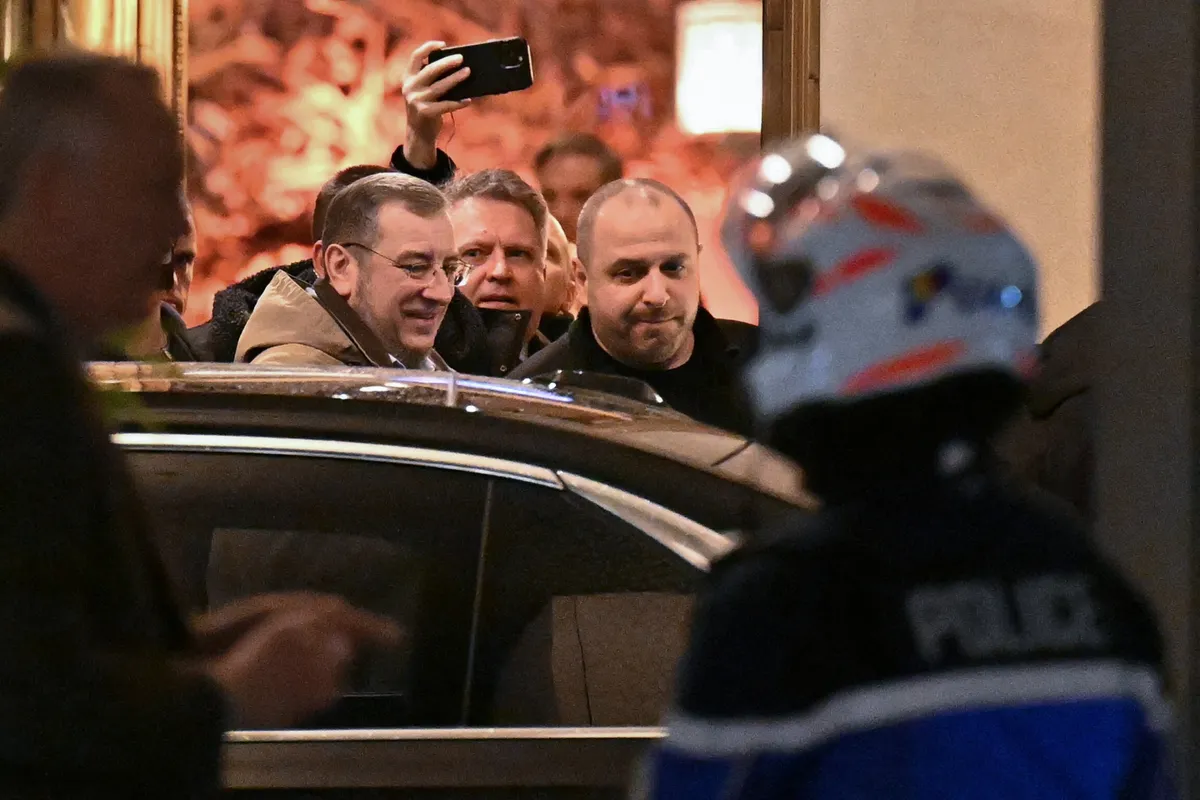
Ukraine’s National Security and Defense Council Secretary Rustem Umerov stressed the need for unity.
“It’s important to maintain a common vision and coordination of actions between Ukraine, the US and Europe. There is an understanding of shared responsibility for the outcome,” he wrote on Telegram.
Umerov said representatives of the US, France, the UK, Germany, Italy and Switzerland took part. The format is seen as an effort to add a stronger European dimension to negotiations that have so far been driven largely by the administration of US President Donald Trump.
Washington’s Role and Cautious Optimism
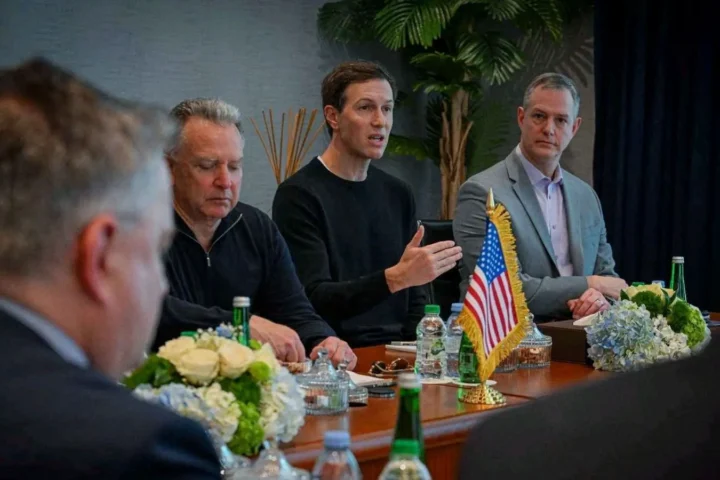
The US side in Geneva includes envoy Steve Witkoff and Jared Kushner, who were also present during earlier rounds in the United Arab Emirates since January.
After the first day in Geneva, Witkoff said there had been “meaningful progress” and that both sides agreed to continue working toward a deal. Still, the substance of that progress remains unclear, and it is not known how far the discussions moved toward concrete commitments.
According to Bloomberg, broader consultations with European allies may be designed to reinforce the process politically and tighten coordination among Western partners as the talks move forward.
Territory Remains the Central Sticking Point
The core unresolved issue remains Russia’s territorial demands. President Vladimir Putin has pressed for Ukraine to hand over territory in the eastern Donetsk region that Moscow has not managed to fully seize despite fighting dating back to 2014.
Ukrainian President Volodymyr Zelenskiy said he instructed negotiators to discuss the future of the Zaporizhzhia nuclear power plant, seized by Russian forces early in the full-scale invasion, as well as Moscow’s demand for territory it does not control in Ukraine’s east.
Separately, Zelenskiy told Axios that Ukrainians would reject any unilateral withdrawal and cession of land to Russia.
Zaporizhzhia Nuclear Plant as a Potential Element of Any Deal
US officials have previously indicated that power-sharing arrangements tied to the Zaporizhzhia nuclear plant — the largest in Europe — could be a critical component of any broader agreement.
The plant’s status, security, and the question of how its electricity would be distributed remain among the most sensitive issues on the table.
A Shift in Russia’s Delegation
Russia’s delegation in Geneva is led by presidential aide Vladimir Medinsky, who participated in earlier negotiations with Ukraine in Istanbul in 2022 and again last year. He did not take part in the Abu Dhabi talks.
Zelenskiy said Russia “slightly changed” its negotiating team, calling the move a surprise, and added that Kyiv would judge the talks in part by how the new configuration affects the process.
Kremlin envoy Kirill Dmitriev is also in Geneva for discussions with the US on economic cooperation, but is not expected to be part of the trilateral negotiations with Ukraine, Interfax previously reported.
What Comes Next
The Geneva round underscores an attempt to widen the political frame around the negotiations, with European governments more visibly present alongside the US. Yet the fundamental disputes — especially over territory — remain unresolved, and the gap between positions appears substantial.
According to Bloomberg, the next phase will hinge on whether the parties show readiness for practical compromises, or whether the process slides back into prolonged diplomatic stasis.
This article was prepared based on materials published by Bloomberg. The author does not claim authorship of the original text but presents their interpretation of the content for informational purposes.
The original article can be found at the following link: Bloomberg.
All rights to the original text belong to Bloomberg.