
First trilateral discussions involving Ukraine, Russia, and the United States
The first round of direct consultations on a possible peaceful settlement of the war in Ukraine has concluded in Abu Dhabi, bringing together representatives of Kyiv, Moscow, and Washington. Despite ongoing hostilities, participants described the talks as constructive and did not rule out continuing the dialogue.
Ukrainian President Volodymyr Zelensky said the discussions were substantive. “There was a lot of discussion, and it is important that the talks were constructive,” he wrote. He also suggested that another meeting could take place as early as next week, provided all sides remain willing to continue.
U.S. peace proposal and Kyiv’s readiness to engage
According to Zelensky, the meeting marked the first time representatives of all three countries jointly discussed the U.S. peace plan for Ukraine. He stressed that further talks would depend on political readiness to proceed, adding that Ukraine is prepared to do so.
Officials from the United Arab Emirates likewise said the talks were held in a “positive and constructive atmosphere.” Another round in the same trilateral format is expected to be scheduled for the coming week.
Moscow maintains maximalist demands
At the same time, Moscow reiterated its hardline position ahead of the talks, insisting that Ukrainian forces withdraw from the entire Donbas region, including areas not currently controlled by Russia. Kyiv continues to categorically reject these demands.
Ukraine’s chief negotiator, Rustem Umerov, said the discussions in Abu Dhabi focused on “the parameters for ending Russia’s war and the broader logic of the negotiation process.”
Strikes on Ukraine continue amid diplomacy
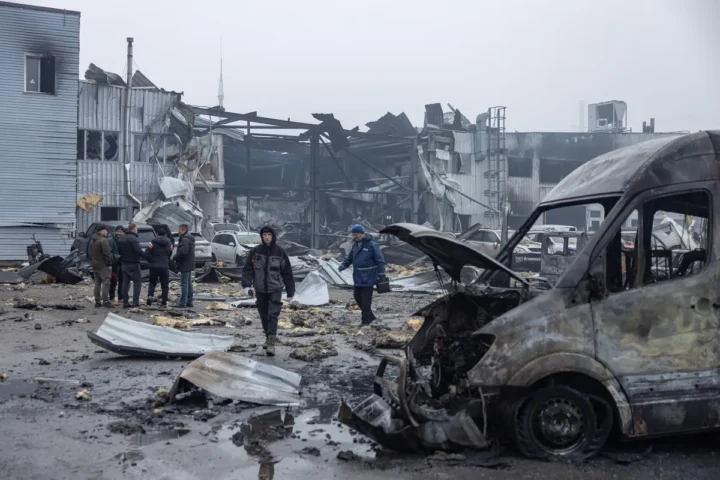
Diplomatic contacts unfolded against the backdrop of intensified Russian attacks. Ukrainian Foreign Minister Andrii Sybiha accused the Kremlin of attempting to sabotage the talks, saying the overnight strikes were a deliberate effort to “hit the negotiating table as well.”
According to Ukrainian officials, Russia launched hundreds of drones and dozens of missiles of various types in one of the latest attacks. Kyiv and its surrounding areas were targeted, along with the Sumy, Kharkiv, and Chernihiv regions. Energy infrastructure was once again among the primary targets.
Casualties and damage in Kyiv and Kharkiv
Kyiv Mayor Vitali Klitschko described the assault as “massive” and urged residents to remain in shelters. Falling drone debris sparked fires in several districts and caused disruptions to heating and water supplies. Authorities reported fatalities and dozens of injuries.
In Kharkiv, Mayor Ihor Terekhov said Iranian-made Shahed drones damaged residential buildings and medical facilities. Dozens of civilians were injured in the strikes.
Diplomacy overshadowed by continued warfare
According to Der Spiegel, the defining feature of the current round of talks is the stark contrast between cautious diplomatic engagement and the simultaneous escalation of violence. The magazine notes that the future of the negotiations will largely depend on whether dialogue can be accompanied by tangible steps to reduce the intensity of fighting.
For now, the Abu Dhabi talks have ended without concrete agreements—but with a tentative signal that diplomatic channels, despite the war, remain open.
This article was prepared based on materials published by Der Spiegel. The author does not claim authorship of the original text but presents their interpretation of the content for informational purposes.
The original article can be found at the following link: Der Spiegel.
All rights to the original text belong to Der Spiegel.