Diplomatic Signal from Washington
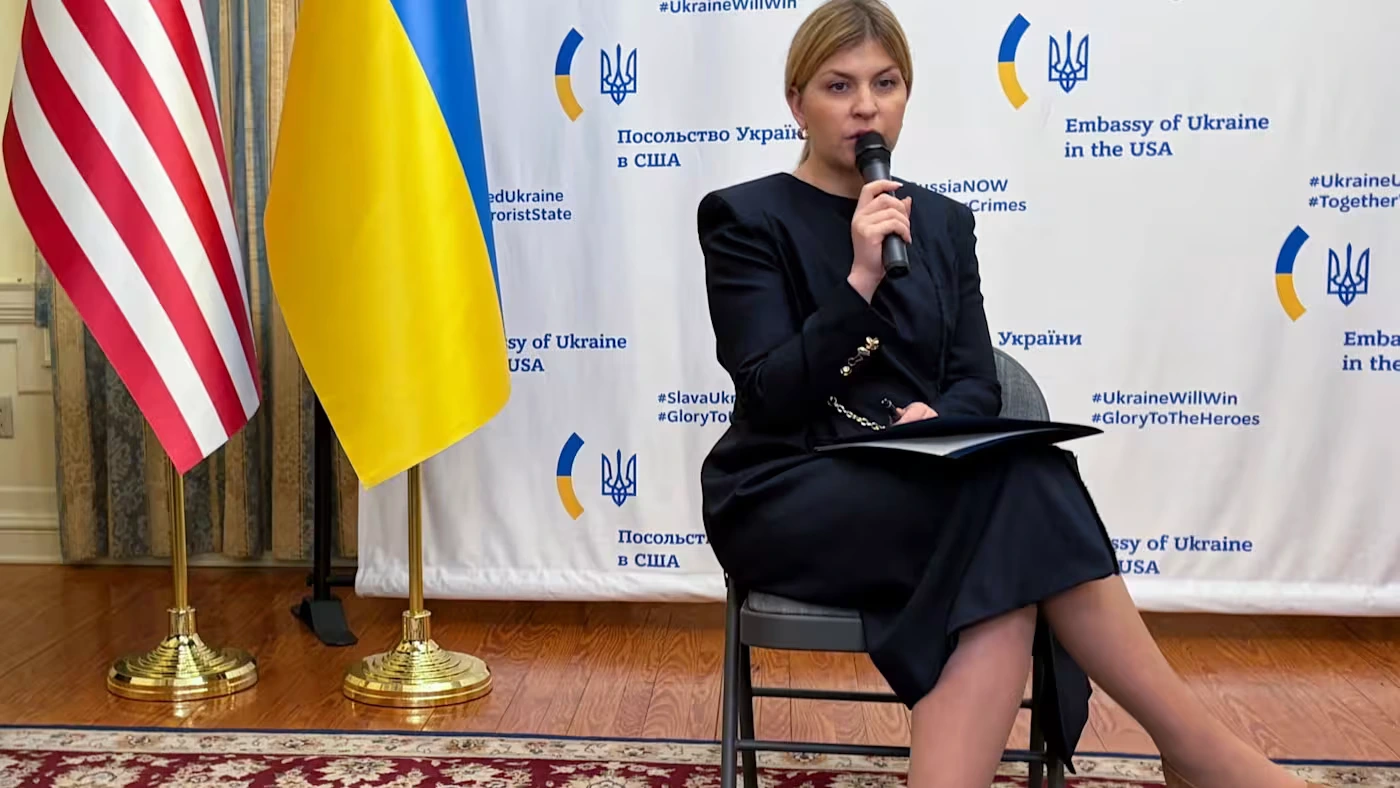
The administration of President Donald Trump has formally warned Kyiv against launching strikes inside Russia if they could affect US economic interests. The statement was made by Ukraine’s ambassador to Washington, Olha Stefanishyna.
According to her, following a Ukrainian drone strike on the Russian port of Novorossiysk in November, she received a diplomatic démarche — an official message expressing concern and disapproval from the US side.
“We have heard from the State Department that we should refrain from attacking American interests,” Stefanishyna said during a press conference marking the fourth anniversary of Russia’s full-scale invasion.
Strike on Novorossiysk and Its Impact
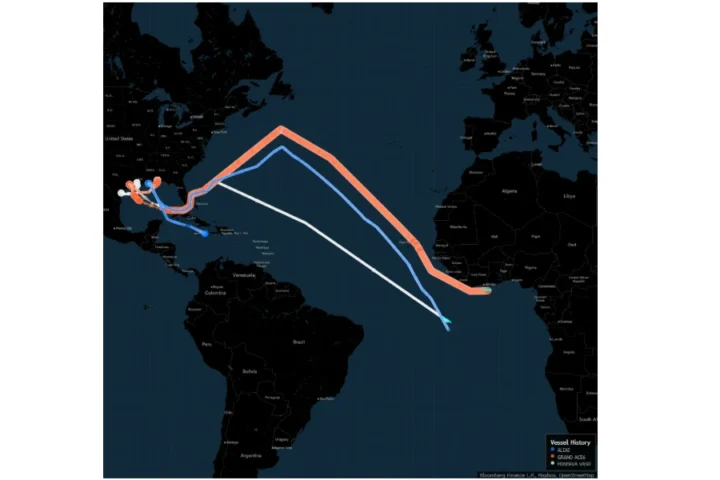
Novorossiysk is one of Russia’s largest oil export hubs and a key outlet for crude shipments from Kazakhstan. The reported strike damaged two tankers believed to be part of Moscow’s so-called “shadow fleet,” used to bypass sanctions on its energy exports.
The attack also affected a terminal of the Caspian Pipeline Consortium (CPC), partly owned by US energy companies Chevron and Exxon — a development that reportedly raised concerns in Washington.
Kyiv has neither confirmed nor denied the strike on CPC facilities. However, President Volodymyr Zelenskyy has previously stated that targeting Russian energy infrastructure and ports is Kyiv’s version of “sanctions,” aimed at increasing pressure on the Kremlin to end the war.
Stefanishyna clarified that the US warning did not apply to strikes on Russian military or energy infrastructure.
A More Reserved US Position
The fourth anniversary of Russia’s invasion passed without a senior US delegation visiting Kyiv, a noticeable shift compared to previous years.
According to The Financial Times, Washington appears to be moving toward a more neutral stance, stepping back from its earlier unequivocal political and military support for Ukraine and signaling a more pragmatic approach toward Moscow.
At the United Nations, the US joined 50 other countries in abstaining from a vote on a Kyiv-backed resolution supporting lasting peace in Ukraine. The resolution was adopted with 107 votes in favor.
Despite this, Stefanishyna stressed that Ukraine does not feel abandoned by its ally. She noted that she had been invited to attend President Trump’s State of the Union address, where he was expected to discuss efforts to end the war.
Frustration Over Attacks on US Businesses
Ukrainian officials have privately expressed frustration over what they see as a muted US response to Russian strikes on American companies operating in Ukraine.
A previous Russian attack caused significant damage to a Boeing facility in Kyiv. According to the American Chamber of Commerce in Ukraine, nearly half of US companies in the country have suffered damage from Russian strikes during the war.
Ukraine’s Foreign Minister Andriy Sybiha accused Moscow of deliberately targeting American businesses.
“Russia has been intentionally striking US companies in Ukraine while simultaneously proposing a reset in economic relations,” he said.
He described such proposals as a “Potemkin village,” suggesting they are designed to buy time and weaken American influence in Europe.
Peace Talks Remain at an Impasse
Despite several rounds of negotiations involving the US, Ukraine, and Russia, diplomatic efforts have yet to produce a breakthrough. Moscow continues to insist on territorial concessions, while Kyiv maintains that no Ukrainian land can simply be surrendered.
In an interview with Western media, President Zelenskyy indicated that Washington’s strategy of pressing “both sides” and positioning itself as a mediator has caused frustration in Kyiv.
The war in Ukraine remains the deadliest conflict in Europe since World War II, and a negotiated settlement still appears distant.
This article was prepared based on materials published by The Financial Times. The author does not claim authorship of the original text but presents their interpretation of the content for informational purposes.
The original article can be found at the following link: The Financial Times.
All rights to the original text belong to The Financial Times.