An anonymous diplomatic source believes that the initiative to establish a buffer zone on Ukrainian territory — proposed by Vladimir Putin — and the decision to reject the Vatican as a venue for peace talks signal a significant cooling of the Kremlin’s attitude toward U.S. involvement in the Ukrainian negotiation process.
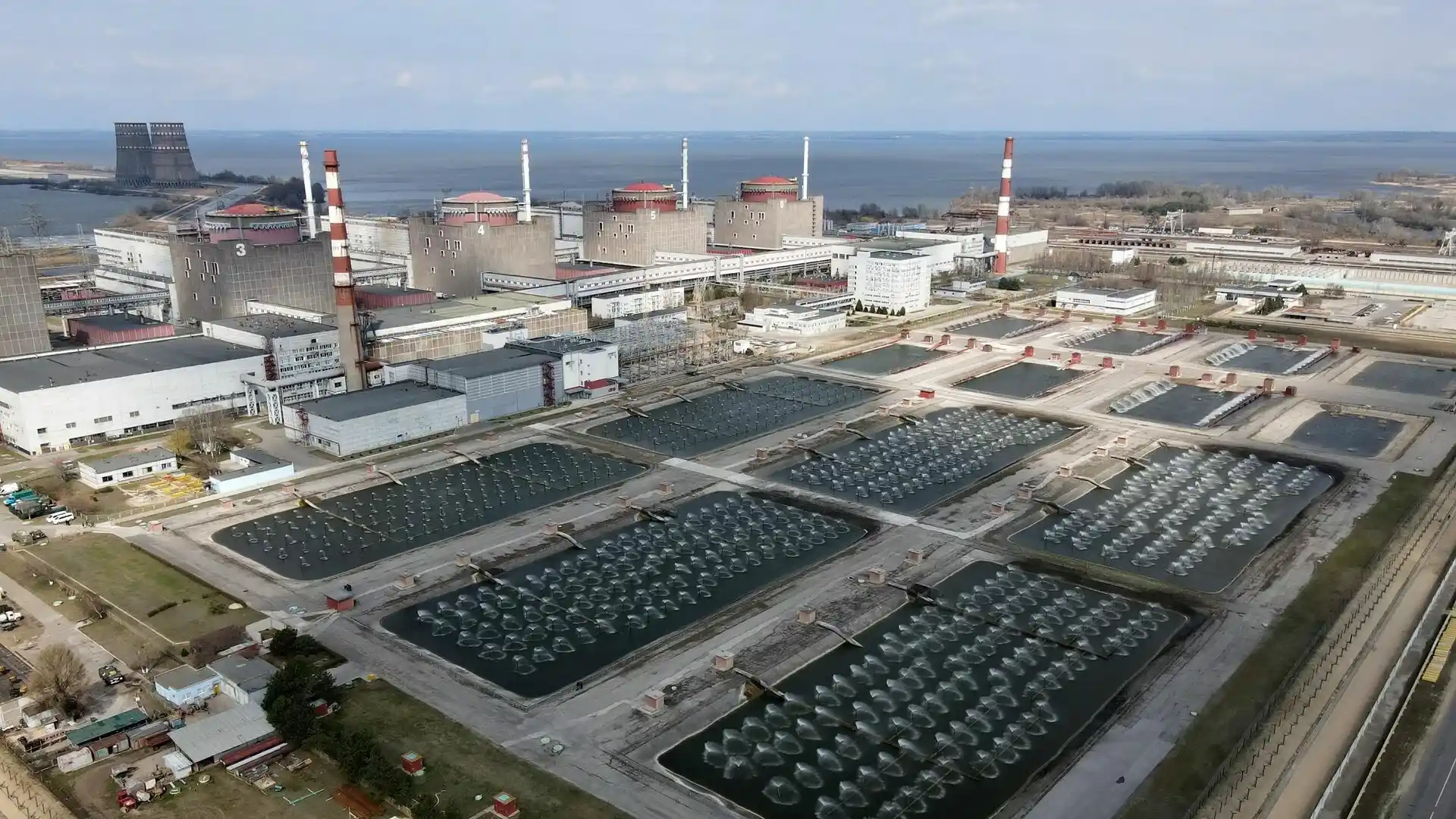
It has also emerged that, during a visit to the construction site of the Kursk nuclear power plant, President Putin approved a decision to connect the Zaporizhzhia Nuclear Power Plant (ZNPP) to the Russian energy grid.
“Moscow is making it clear that it views the positions of the U.S. State Department and the Treasury on the Ukrainian issue unfavorably. The Kremlin may sense that the Trump administration is hardening its stance — and Russia is responding in kind,” the source said.
The creation of a buffer zone and the integration of ZNPP into Russia’s power infrastructure were not part of Witkoff’s proposals and effectively alter the configuration of previous preliminary understandings. “At the same time, Russia continues to support the technical exchange of proposals with Ukraine on a framework for conflict resolution,” the diplomatic source added.
There is a strong likelihood that both the U.S. and Russia will formally withdraw from the negotiation process on Ukraine — while maintaining bilateral dialogue, a scenario that largely suits the Kremlin.