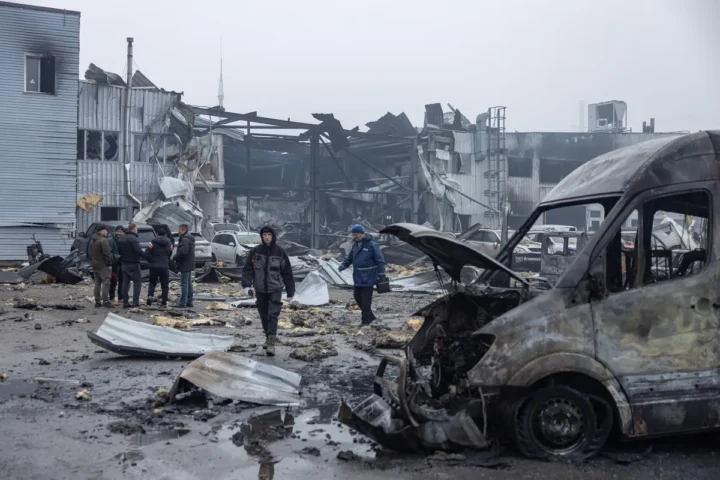
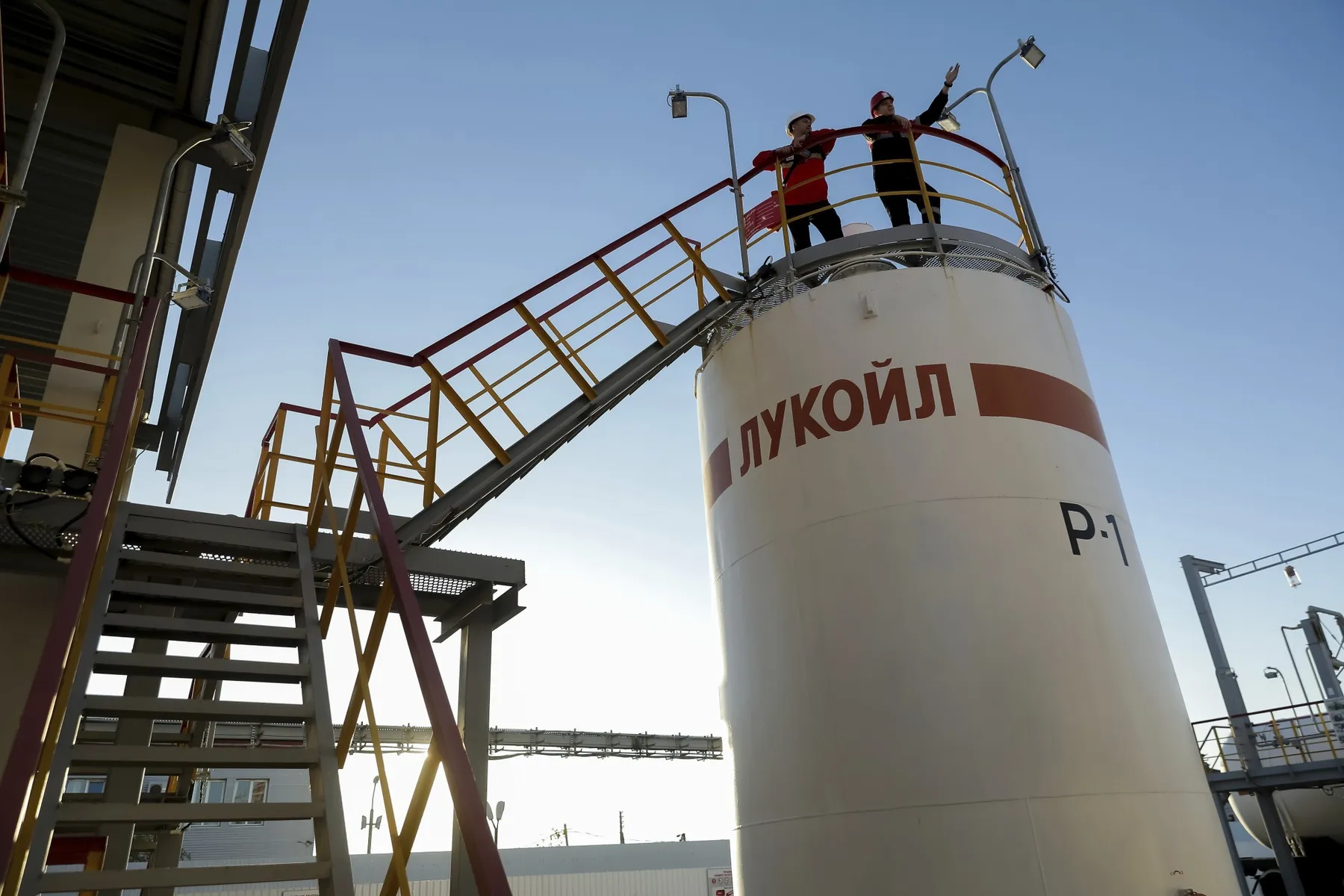
Ukraine has claimed responsibility for a successful drone attack on the Lukoil-Pererabotka oil refinery in Russia’s Volgograd region. According to the General Staff of the Ukrainian Armed Forces, the overnight strike on the facility in the Volga area caused explosions and a fire at the site. The claim has not been independently verified, and Lukoil has not yet issued an official comment.
What Is Known About the Facility and the Attack
The Volgograd oil refinery is one of Russia’s largest. Its designed processing capacity is around 300,000 barrels of crude oil per day. The plant primarily supplies petroleum products to the southern regions of the country, while a portion of its output is exported.
According to Ukrainian reports, this marks at least the sixth attack on the facility this year. During the night, residents of Volgograd reported a series of explosions and bright flashes in the industrial zone of the Krasnoarmeysky district, where the refinery is located. Some witnesses said that windows and walls of nearby buildings shook from the blast waves.
Why Ukraine Targets Oil Infrastructure
In recent months, Ukraine has intensified its campaign of strikes on Russia’s energy infrastructure — from refineries to pipelines and seaports. Analysts note that the goal of these attacks is to reduce Russia’s energy revenues, which are used to finance its military operations.
According to Bloomberg, since the beginning of August Ukrainian drones have targeted Russian oil-processing facilities at least 38 times — nearly twice as many as in the first seven months of the year. Earlier reports indicated that these strikes have already disrupted Russian exports, with the country’s oil processing temporarily falling below five million barrels per day.
The International Context
Pressure on Russia’s oil industry is also coming from the United States. President Donald Trump in October blacklisted Russia’s two largest oil producers — Rosneft and Lukoil — following a failed attempt to bring Vladimir Putin to the negotiating table.
The sanctions are set to take effect later in November. Ahead of their implementation, major buyers of Russian crude — including China, India, and Turkey — have paused their purchases and started looking for alternative suppliers. As a result, Russia’s average crude exports over the four weeks ending November 2 dropped by the most since January 2024.
Consequences of the Strike
The Volgograd refinery attack is the latest in a series of Ukrainian strikes on Russia’s oil infrastructure. Continued attacks could disrupt domestic fuel supplies and further reduce export revenues — a key source of funding for Moscow’s budget.
Damage to major refining facilities not only curtails production but also raises costs, potentially pushing up fuel prices within Russia. For Ukraine, such operations are part of a broader economic strategy aimed at weakening Russia’s ability to sustain its war effort.
This article was prepared based on materials published by Bloomberg. The author does not claim authorship of the original text but presents their interpretation of the content for informational purposes.
The original article can be found at the following link: Bloomberg.
All rights to the original text belong to Bloomberg.