Diplomatic Efforts to De-Escalate the Conflict
Russia and Ukraine are reportedly on the verge of initiating negotiations to cease mutual strikes on energy infrastructure and revive the Black Sea grain corridor. According to diplomatic insiders, this initiative is backed by Saudi Arabia and has the support of the Trump administration. The primary objective is to de-escalate the ongoing conflict and mitigate further economic and humanitarian damage.
Russia’s Oil Industry in Crisis
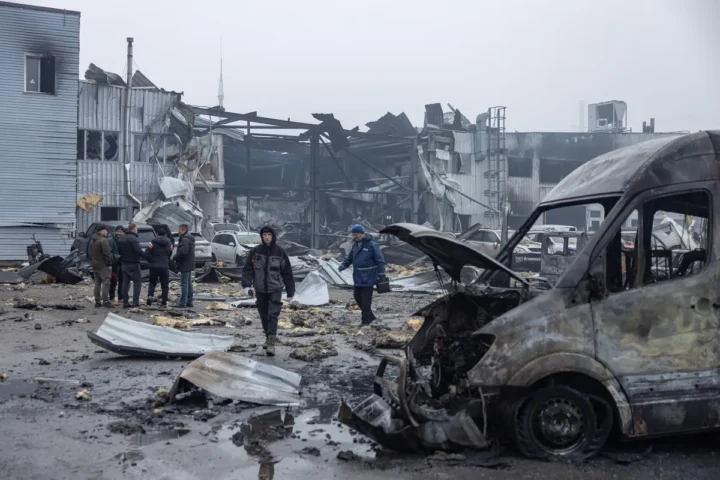
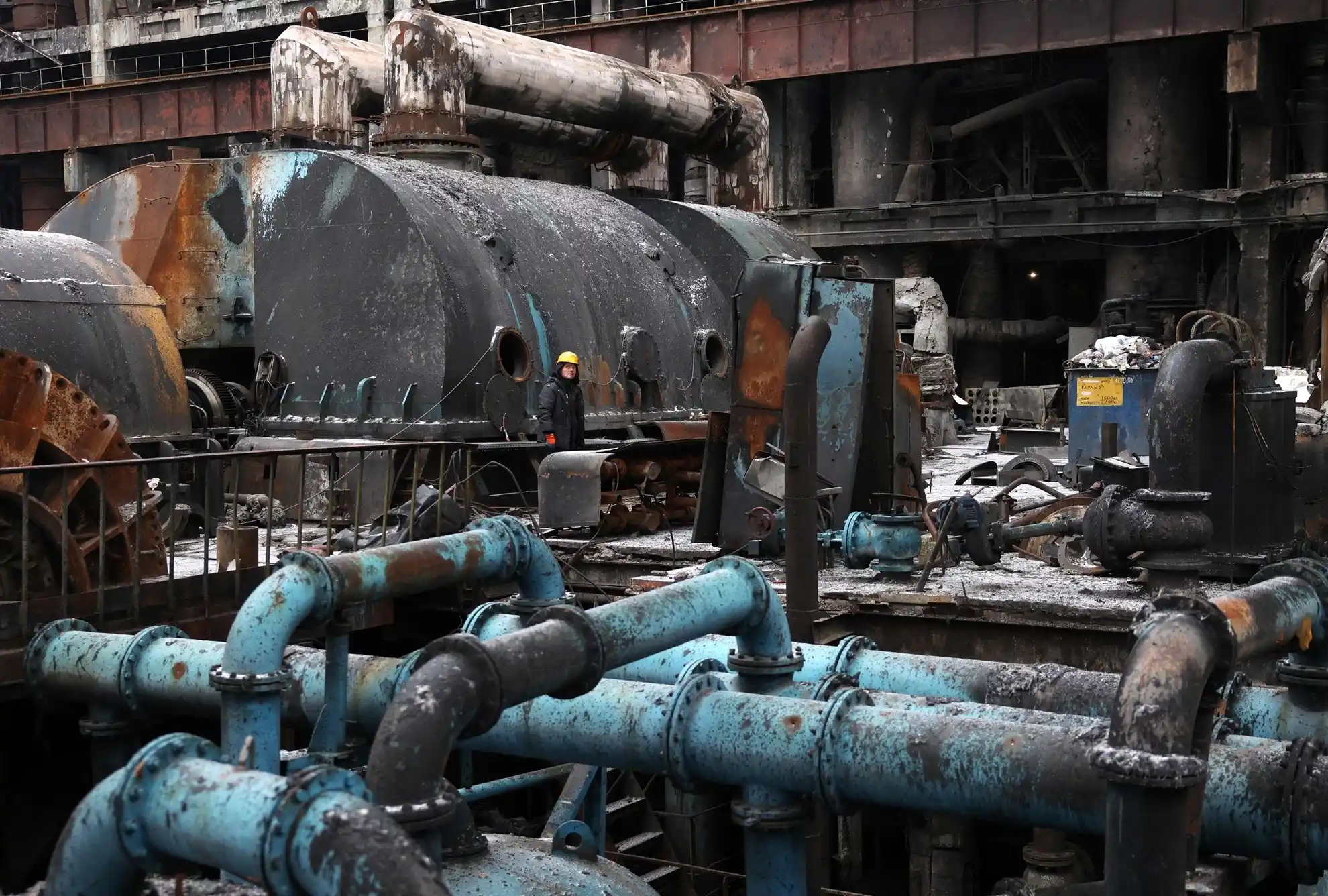
Moscow is facing mounting pressure following relentless Ukrainian drone attacks on its oil refineries, significantly disrupting production. In 2024 alone, Ukrainian drones have carried out at least 81 attacks on Russian oil facilities, causing widespread damage and major operational setbacks.
January has already witnessed two massive waves of drone strikes. One of the hardest-hit facilities is Lukoil’s Kstovo refinery—Russia’s fourth-largest—which processes 17 million tons of crude oil annually. Additionally, the Ryazan refinery, Russia’s third-largest, suffered two strikes within a week, rendering it inoperable indefinitely.
Before the New Year, another critical attack targeted the Novoshakhtinsk refinery, the largest supplier of oil products in southern Russia. The strike caused a massive fire and forced a shutdown for the third time in 2024.
The cumulative impact on Russia’s oil industry has been severe. Ukrainian drone strikes have eliminated an estimated 41.1 million tons of refining capacity—equivalent to 12% of Russia’s total output—driving crude processing to a 12-year low. In response, the Russian Energy Ministry has ceased publishing production data, citing “market security concerns.” However, economic indicators reveal the reality: gasoline prices have surged by 10.85% over the past year, while diesel prices have risen by 8.56%. In November, the Kremlin implemented a fuel export ban and introduced strict regional production quotas to stabilize the market.
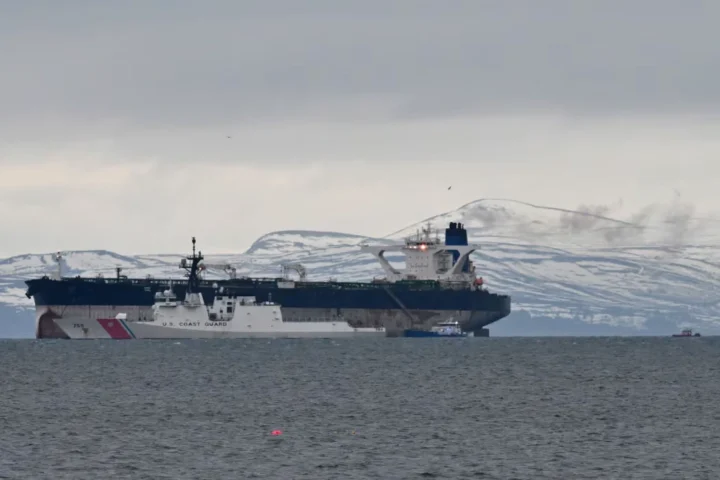
Even Russia’s extensive “shadow tanker fleet,” used to bypass international sanctions, has not shielded its economy from the sustained Ukrainian strikes. The destruction of critical energy infrastructure continues to cripple Moscow’s oil sector.
Ukraine Under Pressure
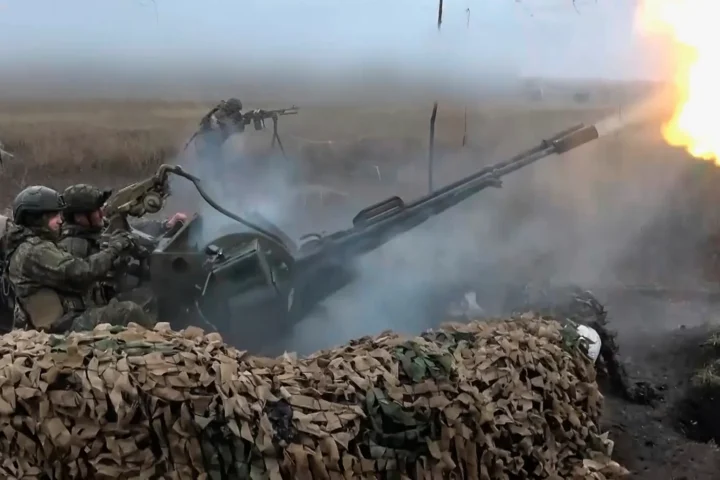
While Ukraine has gained an advantage with its drone warfare tactics, it is also experiencing significant setbacks. Russian forces continue to bombard Ukraine’s energy grid, exacerbating power shortages and infrastructure failures. Meanwhile, Ukrainian grain exports via Moldova and Romania are encountering severe logistical challenges. The key port of Reni is struggling with transportation bottlenecks, further complicating efforts to sustain crucial food shipments.
With both sides suffering from the prolonged hostilities, secret negotiations have reportedly begun in Riyadh. Russian and Ukrainian expert groups are currently working on a framework for a fragile ceasefire regarding energy infrastructure strikes.
Turkey’s Role as a Mediator
Amid the high-stakes discussions, Turkey is positioning itself as a key mediator, aiming to secure both strategic and economic gains from Saudi Arabia’s initiative. The upcoming negotiations, scheduled for February, could lead to a breakthrough in the ongoing conflict if a compromise is reached.
However, whether this diplomatic effort results in a lasting ceasefire or merely a temporary pause in hostilities remains uncertain.
As both nations weigh their options, the world watches closely—anticipating either a significant de-escalation or yet another chapter in this devastating war.