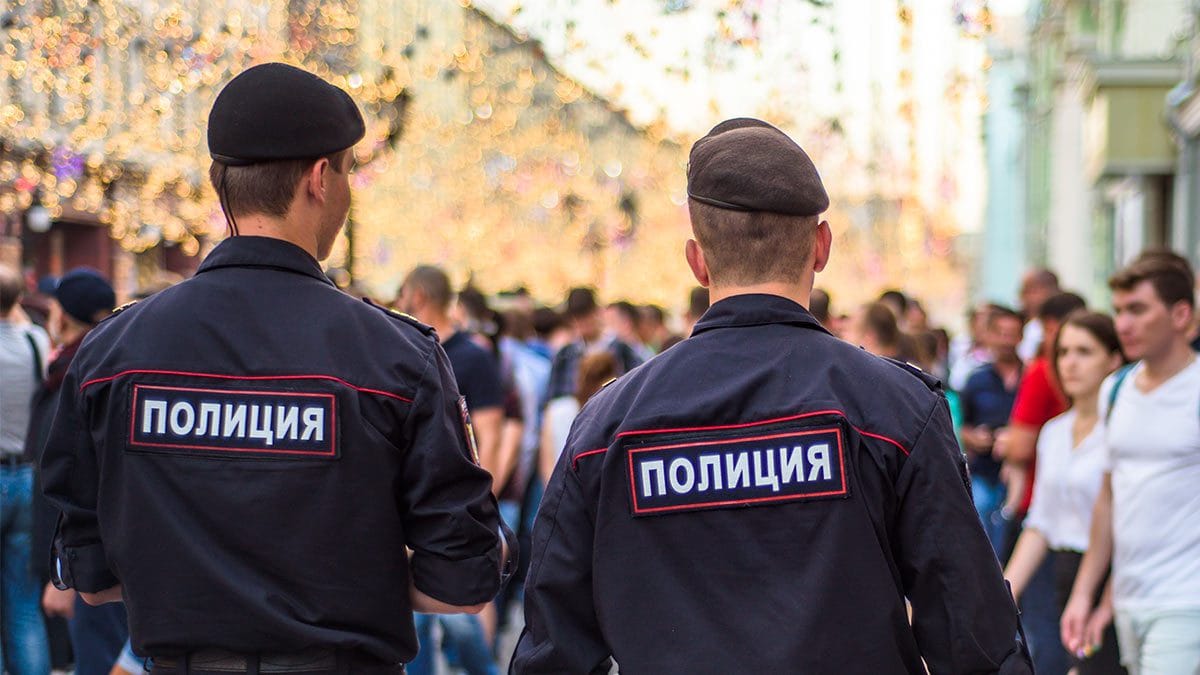
Although Russia consistently ranks among the world leaders in police-to-population ratios—almost twice the average of the European Union and 2.5 times higher than in the United States—the country’s internal security system is facing a deepening crisis. Amid the ongoing war in Ukraine, Russia is suffering from an acute shortage of patrol officers, undermining public trust in the state’s ability to maintain basic law and order.
According to a new study by the independent project If to Be Precise, since the start of the war the number of police officers in Russia has fallen by more than 9,000. The publication reports that about 36 percent of the 40,000 patrol positions legally authorized remain vacant. The main reason is that many officers have left for the army or the defense industry, where salaries are considerably higher. The mass exodus has led to severe overwork among those who remain, who are now forced to cover extended shifts and responsibilities.
The problem has affected most Russian regions. In several towns in the Leningrad region, the study found that a single patrol officer now performs duties that were previously divided among as many as seven people. In rural and remote areas, patrol units are often left completely unmanned. Even in large cities, workloads are rising: there are documented cases where only one officer is on duty instead of two or more.
The impact of this shortage is already visible in everyday life: crime detection rates have fallen, and the number of unregistered offenses is growing. Public anxiety about safety has increased, particularly during wartime, and many fear a further deterioration once veterans begin returning home in large numbers.
According to St. Petersburg criminologist Ekaterina Khodzhaeva, patrol officers are “the workhorses of the law enforcement system,” the first to respond to conflicts, domestic disputes, and missing persons cases, as well as to interact with probationers and assist vulnerable groups. Without these officers, she warns, routine incidents can quickly escalate into serious problems.
Official data show that between 2017 and 2022, the number of patrol officers declined from 44,000 to 40,000, and after 2022 dropped further to around 30,000. Experts believe the real losses are even higher, as official statistics may include administrative personnel who are not directly involved in street patrol duties.
Facing a manpower crisis, law enforcement agencies have begun to relax recruitment standards and even explore the possibility of hiring staff from abroad. In addition, cooperation between the police and independent paramilitary groups such as the “Russian Community” has become more common—an arrangement that does not always align with the Kremlin’s directives. Analysts warn that this could increase the risk of fragmented control and political instability at the regional level.
A Levada Center survey found that about 40 percent of Russians fear a rise in crime after veterans return. Yet despite growing risks, the authorities have shown little readiness to increase funding for the patrol service. Police salaries remain low, while pay in the military and defense sectors has risen sharply. According to Khodzhaeva, low wages, excessive workloads, and mounting bureaucratic requirements are making police service increasingly unattractive.
Looking ahead, the problem may worsen. If current conditions persist, the authorities may be forced to rely more heavily on private or paramilitary groups—or even deploy army units to maintain internal order. However, such measures could trigger further public tension.
The situation underscores the urgent need for a systemic reform of the patrol service and a fundamental reassessment of how Russia finances its internal security sector.