Surge in Government Expenditure
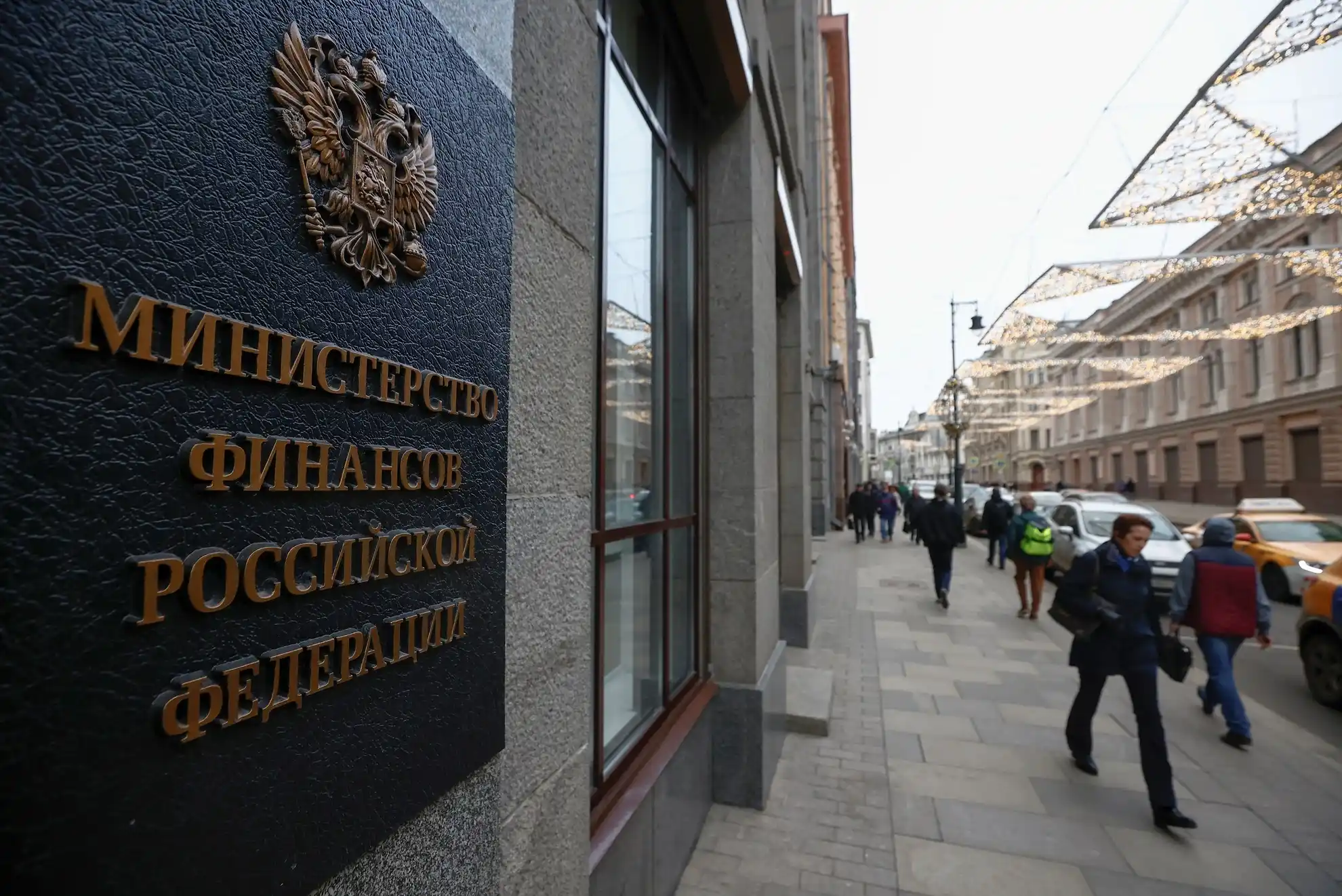
The Russian Ministry of Finance has released preliminary results for its January budget execution, revealing a significant surge in expenditures. In January 2025, government spending reached RUB 4.4 trillion, a sharp increase from RUB 2.5 trillion in the same period of 2024, marking a 60% year-on-year rise. Since 2023, the ministry has consistently front-loaded substantial budget outlays at the start of the year, diverging from previous spending patterns. This shift has transformed January from a historically low-spending month into one of the most active periods for government expenditure.
Conversely, revenues grew by a modest 11% year-on-year in January—typically one of the weakest months for income—providing limited insight into the fiscal strength of the new financial year. Officials anticipate revenue growth to decelerate further in 2025, forecasting a 10% increase, compared to 26% in 2024. Analysts attribute this slowdown primarily to weaker nominal GDP growth, subdued real growth rates, an expected easing of inflation, and the likelihood that Urals crude prices will not replicate last year’s gains.
Economic Challenges and Government Response
Economists at Raiffeisenbank in Moscow caution against overestimating the inflationary impact of the budget’s elevated January expenditure. They suggest that a substantial portion of the early spending was allocated to defense, which has a more contained effect on inflation compared to expenditures such as social transfers.
In a notable shift in rhetoric, Valentina Matviyenko, Speaker of Russia’s Federation Council (the upper chamber of parliament), publicly acknowledged an economic crisis for the first time. Until now, President Vladimir Putin and Prime Minister Mikhail Mishustin had characterized Russia’s economic trajectory as steadily improving, frequently citing rising incomes and GDP growth.
Matviyenko emphasized that the current downturn necessitates rigorous daily monitoring by all ministries in coordination with the Central Bank. She stressed the importance of preventing negative economic trends from escalating and called for proactive measures to mitigate risks. Specifically, she highlighted severe challenges in the construction sector, including a slowdown in housing purchases, increasing debt burdens, and rising costs for building materials.
As Russia navigates these economic headwinds, the government’s strategy of front-loading budget expenditures may provide short-term stability but raises questions about its long-term fiscal sustainability.