Diplomatic signals point to growing distance
Relations between Russia and China have cooled noticeably in recent months, despite both sides continuing to publicly affirm their strategic partnership.
President Vladimir Putin has held frequent calls with leaders across the Middle East, yet his last conversation with Chinese President Xi Jinping took place back in early February during the Lunar New Year celebrations. The two leaders last met in person in September 2025 at a military parade in Beijing marking the 80th anniversary of the end of World War II.
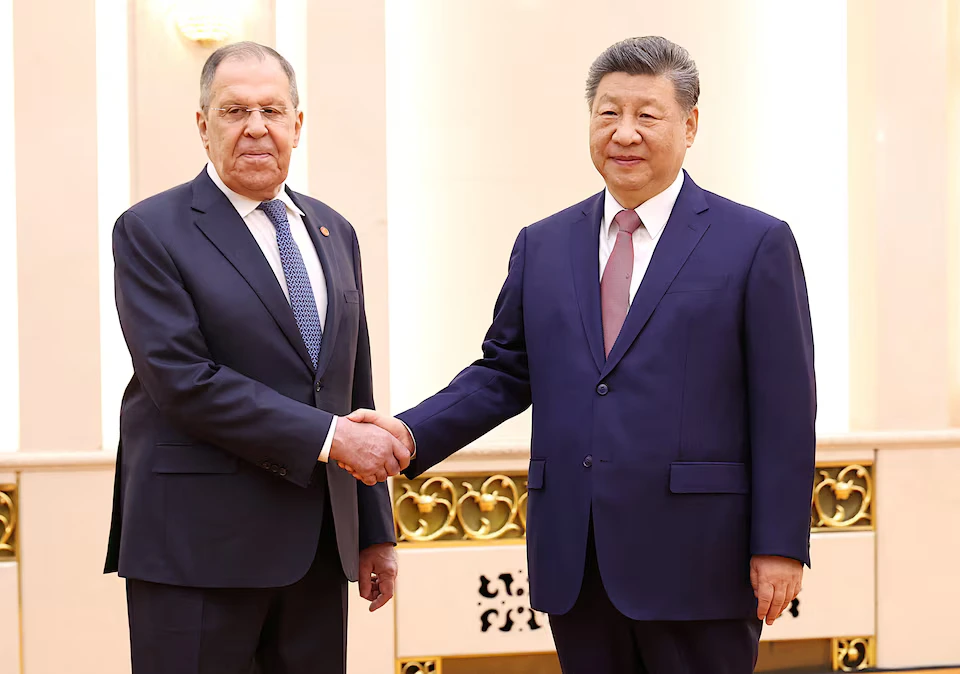
Foreign Minister Sergei Lavrov’s trip to Beijing was meant to prepare the ground for a Putin visit to China and clarify the Kremlin’s position on a range of key issues, including Iran, Cuba, the war in Ukraine, the role of the United Nations, international organizations, Africa and Central Asia. Yet the date of a possible Putin visit to Beijing in the first half of the year has still not been confirmed.
China is now focused on preparations for a Trump visit and on shaping a new framework for relations with Washington. Russia, for the moment, appears to have been pushed to the periphery as Xi concentrates on preserving his grip on power at home.
Beijing wants a “new level” of partnership
As usual, the substance of Lavrov’s talks with the Chinese leadership was described in the vaguest possible terms. Of the few signals that emerged, one stood out: Beijing is insisting that the partnership be taken to a “new level.” Lavrov, for his part, avoided spelling out what that actually means.
Most likely, this points to a transformation in the relationship in which Russia’s growing dependence on China will be recast as a formally equal partnership. Beijing is likely assessing Russia’s economic difficulties realistically, despite the Kremlin’s attempts to downplay their scale. After trade turnover fell in 2025, Chinese exports to Russia resumed growth, rising by nearly 20% in the first two months of the year. Investment, however, remains weak and does little to address the structural problems of the Russian economy.
Russian analysts are increasingly noting that China’s view of its own role in the world diverges sharply from Moscow’s claim to great-power status — and that the gap is widening.
The Gulf conflict has highlighted the imbalance
That divergence is particularly visible in the Persian Gulf conflict. Moscow’s attempts to influence events have proved ineffective, while China’s position is seen by participants as more consequential. According to observers, Beijing is using its ties with Pakistan to monitor and indirectly influence mediation between Iran and the US, while avoiding direct involvement.
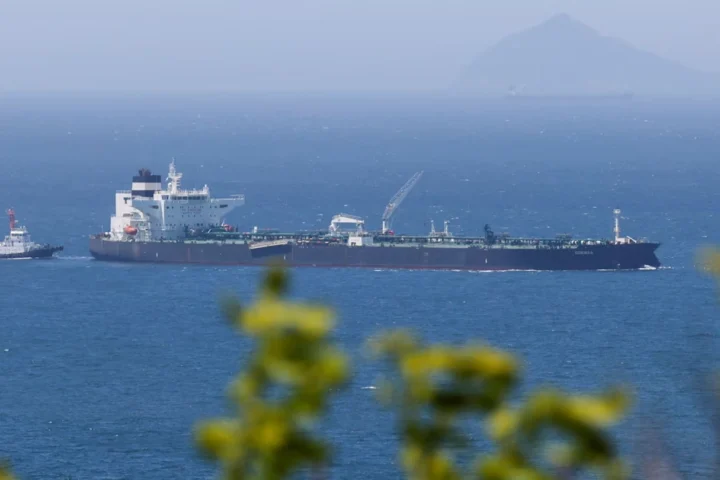
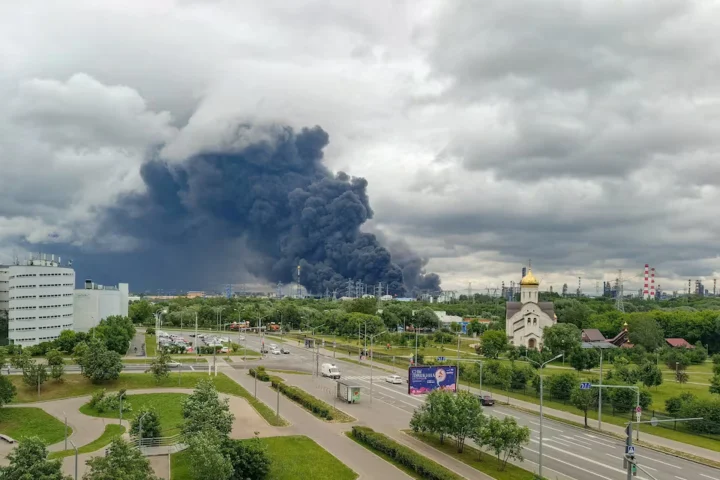
A hypothetical disruption of oil supplies from the Gulf could have worked to Russia’s advantage. But Ukrainian strikes on oil infrastructure in the Baltic and Black Sea regions have undermined Russia’s reliability as an exporter. The extension of partial US sanctions relief looks positive for Moscow in the near term, but a reopening of the Strait of Hormuz would likely push oil prices lower and cap any further rise in revenues.
Hungary is one of the few areas of overlap
One rare case where Russian, Chinese and US interests have partly aligned is Hungary’s election. Despite Beijing’s formal neutrality, its preference appeared evident even before the vote. Russian commentators have reacted cautiously to the defeat of Viktor Orban, long seen as a close Kremlin partner, while acknowledging the seriousness of the consequences.
China, meanwhile, appears intent on preserving the strategic partnership it built with Hungary after Xi’s visit to Budapest in 2024. The new government is showing a pragmatic approach, but its expected rapprochement with the European Union is likely to weaken Russia’s position.
Moscow may get little more than a message
Under these conditions, one of Moscow’s few remaining hopes is to expand supplies of Chinese components and technologies. Beijing’s willingness to take that step, however, remains uncertain.
China, by all appearances, is not seeking to strengthen Moscow excessively. On the contrary, Russia’s prolonged confrontation with Europe serves Beijing’s interests to a certain extent.
As a result, Russia’s value as a partner for China is declining. Putin’s upcoming visit, if it happens at all, is unlikely to deliver meaningful economic or strategic support for Moscow. More likely, the Kremlin may receive a signal that the war needs to end — not through a formal agreement, but through recognition of the reality of exhaustion.