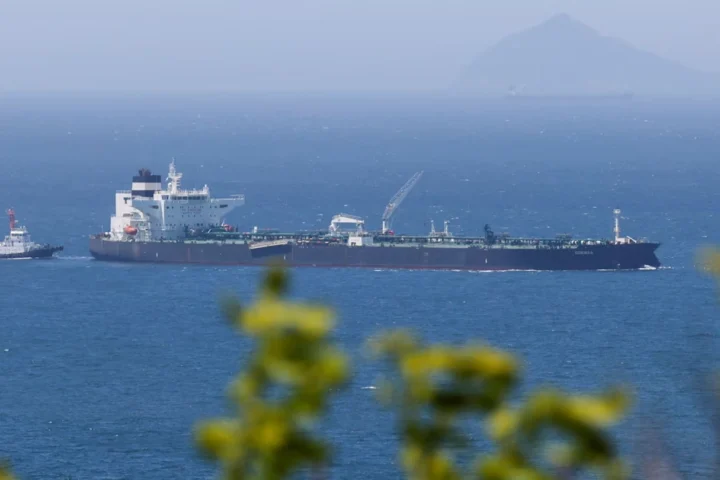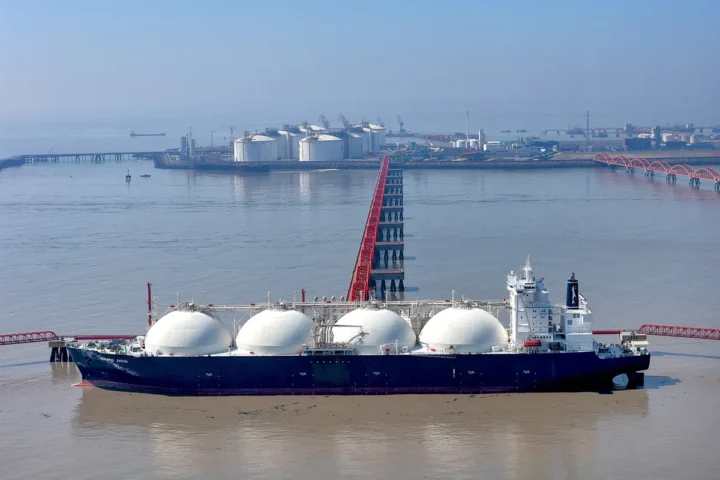
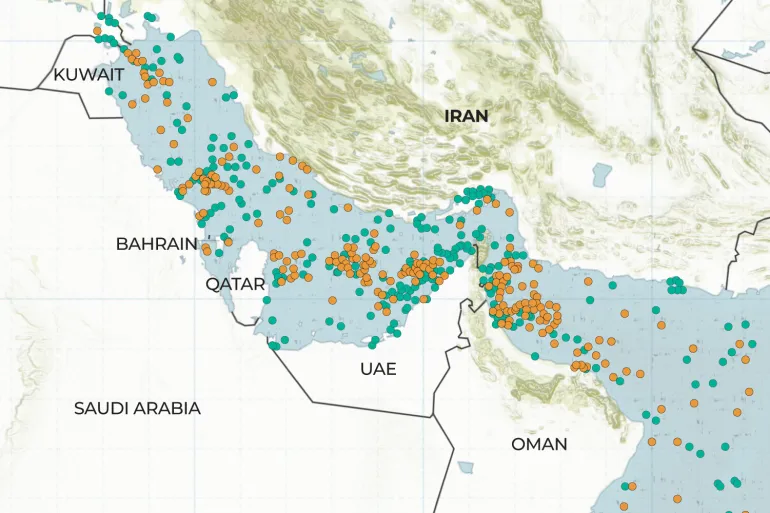
Iran has effectively introduced transit fees on oil shipments through the Strait of Hormuz, charging up to $2 million per very large crude carrier (VLCC). While the headline figure appears steep, the underlying economics are more nuanced.
A standard VLCC carries roughly 2 million barrels of crude, meaning the fee translates to about $1 per barrel. In a global market where oil prices have swung by $35–$40 since the start of the conflict, an additional $0.05–$0.40 per barrel is marginal — almost statistical noise.
For Gulf exporters, however, the cost is more material. With regional exports at about 20.4 million barrels per day, annual payments to Tehran could total between $6 billion and $14 billion, according to Bruegel estimates.
The burden will fall disproportionately on producers such as Saudi Arabia, United Arab Emirates and Kuwait, which may absorb 80% to 95% of the fees to remain competitive in global markets. For Gulf monarchies, the economics still work: production costs in the region can be as low as $10 per barrel, making it more profitable to pay the “Hormuz toll” and sell oil at $80 than to leave output stranded due to conflict.
From a global perspective, the mechanism could even be seen as bullish. Restoring flows that account for roughly 20% of global supply would stabilize prices more effectively than verbal interventions from OPEC+.
The complication lies with the recipient. If revenues flow directly to the Islamic Revolutionary Guard Corps (IRGC), the payments enter a legal gray zone. The IRGC is under heavy U.S. and EU sanctions, meaning any transaction could expose Western shipowners to legal risk.
That raises another issue: insurance. Protection and indemnity (P&I) clubs are unlikely to cover vessels effectively financing a sanctioned entity, potentially forcing traffic through the strait into the hands of a “shadow fleet” — increasing environmental and operational risks.
From a purely economic standpoint, a $1–$2 per barrel fee may be a tolerable price for avoiding a broader war in the Gulf. For consumers, the impact would likely be barely noticeable at the pump.
Tehran has estimated the damage from U.S. and Israeli strikes at $270 billion. At current toll rates, it would take Iran between 17 and 45 years to recoup those losses through Hormuz transit revenues alone. Alternatively, Gulf states — with an estimated $8 trillion in reserves — could theoretically absorb the cost far more quickly.