Russia is preparing to resume purchases of foreign currency for the National Wealth Fund for the first time since the start of the war in Ukraine. The formal reason is a rise in oil and gas revenues: the surge in crude prices following the war around Iran has boosted inflows into the Russian budget.
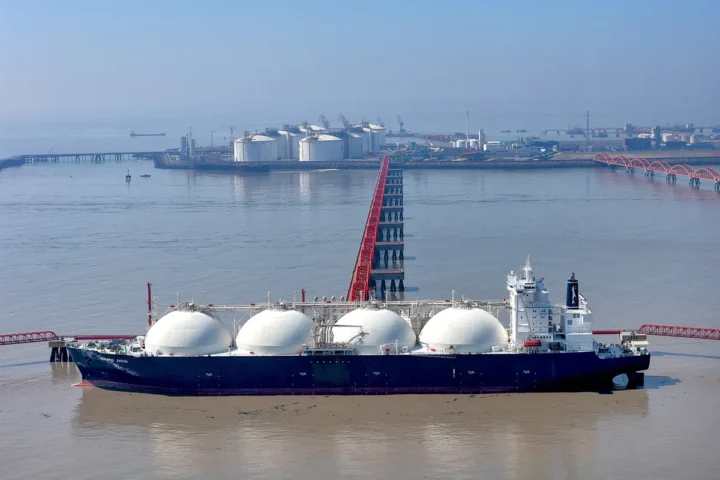
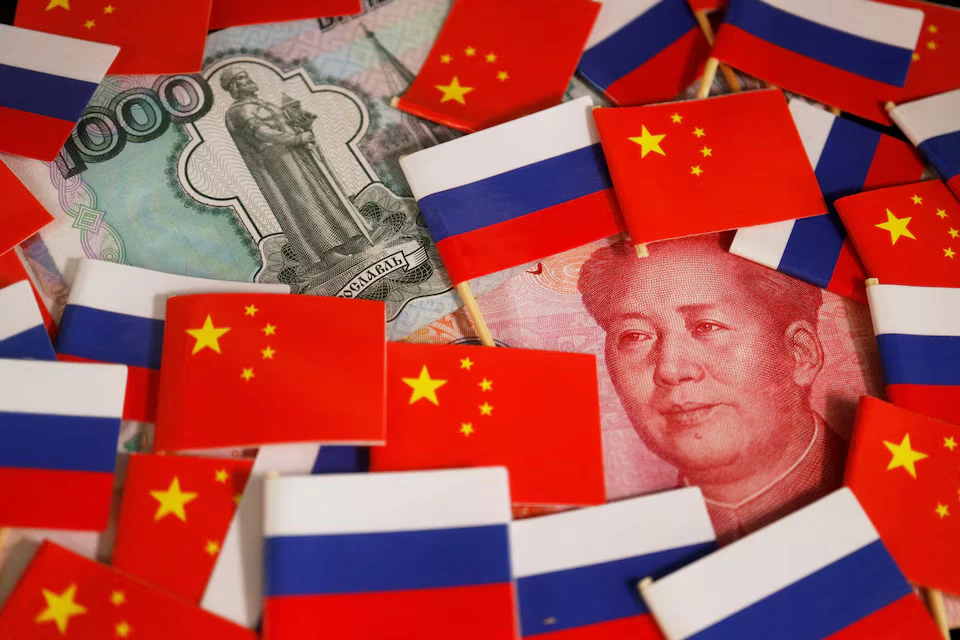
The Finance Ministry said it will spend 110.3 billion rubles, or about $1.46 billion, on foreign-currency purchases between May 8 and June 4. Most of the amount is expected to be spent on Chinese yuan, which has become Moscow’s main currency for such operations since the imposition of sanctions.
The purchases are intended to replenish the National Wealth Fund, which serves as a fiscal safety cushion. At the same time, they may help restrain excessive strengthening of the ruble: when the state buys foreign currency with rubles, pressure on the national currency usually eases.
The Market Expected More
The market reaction, however, was not what the Finance Ministry may have expected. After the announcement, the ruble strengthened against the yuan by about 0.9% on the Moscow Exchange. The reason was straightforward: traders and analysts had expected the government to buy foreign currency much more aggressively.
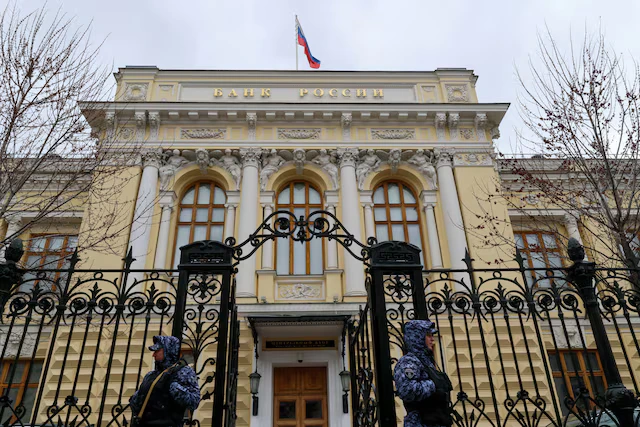
The purchases will be carried out by the central bank. But after accounting for the regulator’s own operations, the state’s net foreign-currency purchases will amount to only about 1.18 billion rubles a day. By comparison, the state had previously been selling foreign currency at a rate of around 4.6 billion rubles a day.
Sofya Donets, chief economist at T-Investments, said the volume was significantly below expectations. According to her, the forecast had implied daily purchases of 14 billion to 18 billion rubles. Such a gap may indicate that the budget’s oil and gas revenues in April were not as high as current prices for Russian crude might have suggested.
Why the Oil Windfall Was Limited
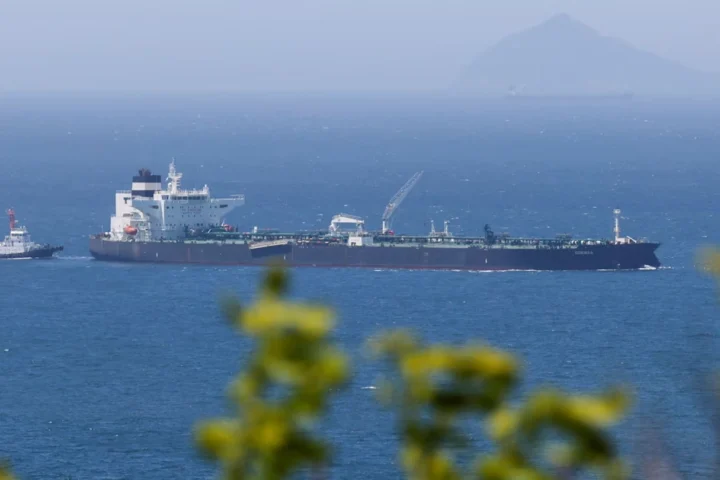
At first glance, Russia should have been one of the main beneficiaries of the new oil shock. After U.S. and Israeli strikes on Iran began in late February, the Strait of Hormuz was blockaded and energy supplies faced major disruptions. Oil prices rose above $100 a barrel, which in theory should have sharply increased revenues for Russian exporters and the budget.
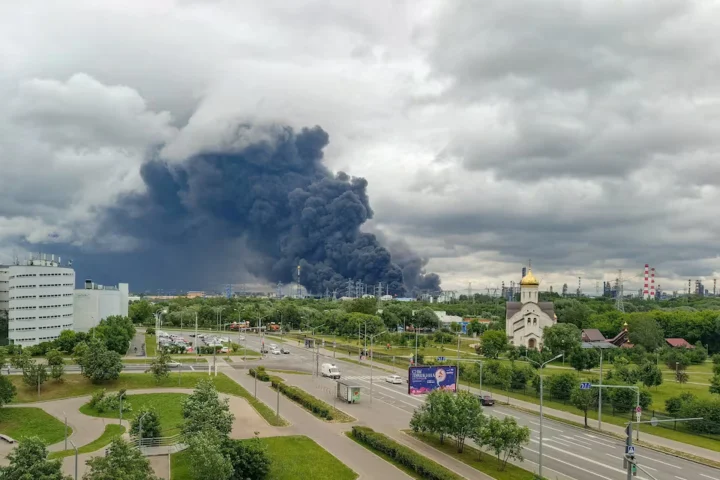
In practice, however, the effect was weaker. Analysts link this to Ukrainian strikes on Russian ports and oil refineries. Because of those attacks, Russia was forced to reduce oil production in April, meaning it could not fully benefit from high global prices.
In addition, Russian crude continues to sell at a discount because of sanctions. Even when global prices rise, Moscow’s revenues do not increase as quickly as those of producers not facing such restrictions.
How the Budget Rule Works
Under Russia’s budget rule, the government buys foreign currency for the National Wealth Fund when oil prices exceed a set threshold. That level is currently $59 a barrel.
If oil trades below that threshold, the government instead sells currency from the fund to cover the budget deficit. In February, the Finance Ministry suspended operations for the fund: prices for Russian crude were then low because of sanctions-related discounts, and continued sales could have accelerated the depletion of the fund.
After oil prices jumped because of the situation around the Strait of Hormuz, many analysts began questioning the logic of that pause. In their view, the suspension of operations supported an overvalued ruble and distorted the market picture.
Deferred Operations Softened the Impact
The Finance Ministry had signaled in advance that it would take into account deferred operations for March and April when calculating the May volume. In March, under the rule, the state would have been selling foreign currency, while in April it would already have been factoring in new oil and gas revenues.
Those deferred March sales partly offset the volume of May purchases. As a result, the final amount was far lower than market expectations and did not create strong pressure on the ruble.
Revenues Rose From March, But Fell From Last Year
According to Finance Ministry data, Russia’s oil and gas budget revenues totaled 855.6 billion rubles, or about $11.32 billion, in April. That was higher than in March, when revenues stood at 617 billion rubles.
In year-on-year terms, however, the picture remains weak: revenues were down 21.2% compared with April of last year.
That makes the situation ambiguous. On the one hand, the war in the Middle East has brought Moscow additional oil revenue and allowed it to resume foreign-currency purchases. On the other, sanctions-related discounts, strikes on infrastructure and lower production have limited the windfall.
As a result, Russia is indeed receiving an oil premium from the Middle East crisis — but so far it looks far smaller than the market had expected.
This article was prepared based on materials published by Reuters. The author does not claim authorship of the original text but presents their interpretation of the content for informational purposes.
The original article can be found at the following link: Reuters.
All rights to the original text belong to Reuters.