Russian governors are pressing the federal government for more support as regional budgets slide deeper into deficit, hoping to tap additional revenue generated by higher global oil prices. But according to people familiar with the discussions, the chances of any major increase in transfers remain slim, even as officials acknowledge that regional finances are deteriorating rapidly.
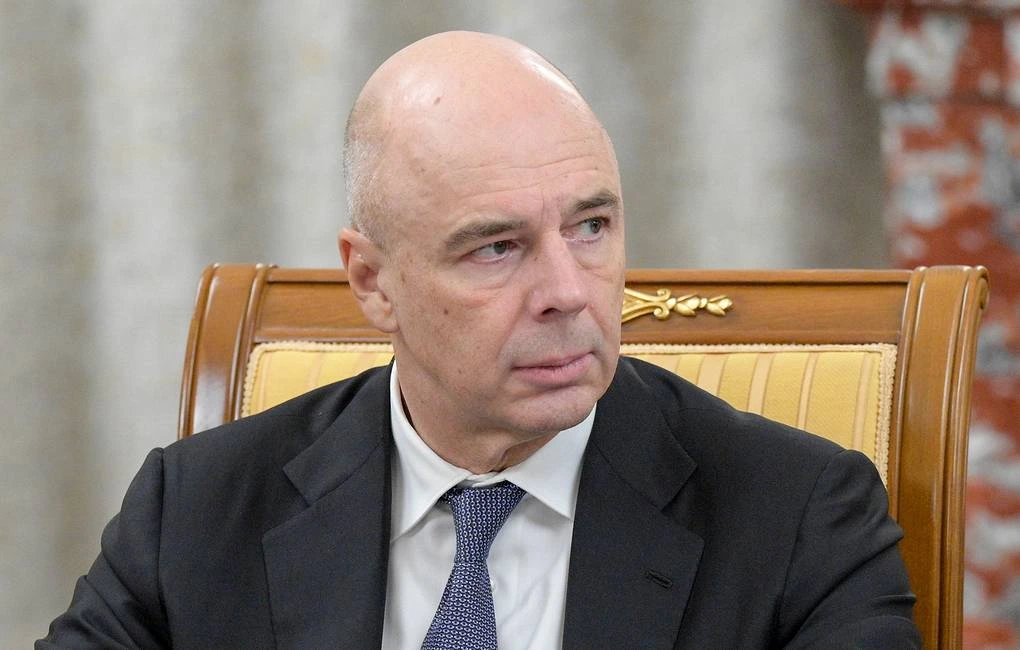
Finance Minister Anton Siluanov has said the combined deficit of Russia’s regional budgets has already reached 1.5 trillion rubles and could widen to 1.9 trillion rubles by the end of the year. The Kremlin has moved to ease some of the pressure, with a presidential decree writing off more than 100 billion rubles in regional budget debt.
Regional Finances Come Under Strain
The relief has not changed the broader picture. Revenues are falling, the tax base is shrinking, and the total public debt of Russia’s regions has climbed to 3.5 trillion rubles.
For years, the Finance Ministry effectively restrained regions from taking on expensive commercial loans. That approach is now being softened. Without borrowed funds, many of Russia’s larger regions can no longer meet social obligations while also sustaining development programs. Subsidized regions, meanwhile, remain constrained by poor creditworthiness and limited access to borrowing.
Earlier fiscal-discipline measures helped contain the growth of “bad debt,” but they are losing effectiveness under current conditions. A debt-relief mechanism launched in 2024 was initially seen as successful. It is now showing its limits.
Debt Relief Is Losing Its Impact
Under current rules, the government plans to write off two-thirds of regional debt accumulated as of March 1, 2024, by 2030. The freed-up funds — roughly 200 billion to 250 billion rubles a year — are supposed to be directed toward infrastructure, utilities, housing and social projects.
In 2024 and 2025, the measure helped stabilize regional finances. But its effect is now weakening as available resources shrink and fiscal discipline erodes.
At the end of April 2026, President Vladimir Putin backed the idea of delaying repayment of the remaining one-third of debt that is not subject to write-off. The deadline is expected to be pushed back to 2030.
War Costs Crowd Out Regional Needs
People familiar with the situation say the measures are still insufficient. Regional budgets are being hit by falling revenues, while spending linked to the war in Ukraine and support for participants continues to rise.
The most likely outcome is a delay in major infrastructure projects, including technology parks, transport hubs and tourism facilities. At the same time, regions are expected to increase their debt burden by turning more heavily to commercial borrowing.
In this environment, governors are focused on immediate fiscal problems and are doing little long-term planning.
Despite regional appeals for larger transfers, the federal government is expected to channel additional oil-and-gas revenue mainly toward military spending, according to people familiar with the matter. A significant shift in budget policy in favor of the regions is not expected.
Social Spending Cuts May Become Visible by Autumn
The consequences could become more apparent by late summer and autumn, when reports may begin to emerge of delayed construction of schools, hospitals and kindergartens.