Cost of living, war fatigue and internet freedoms dominate public sentiment
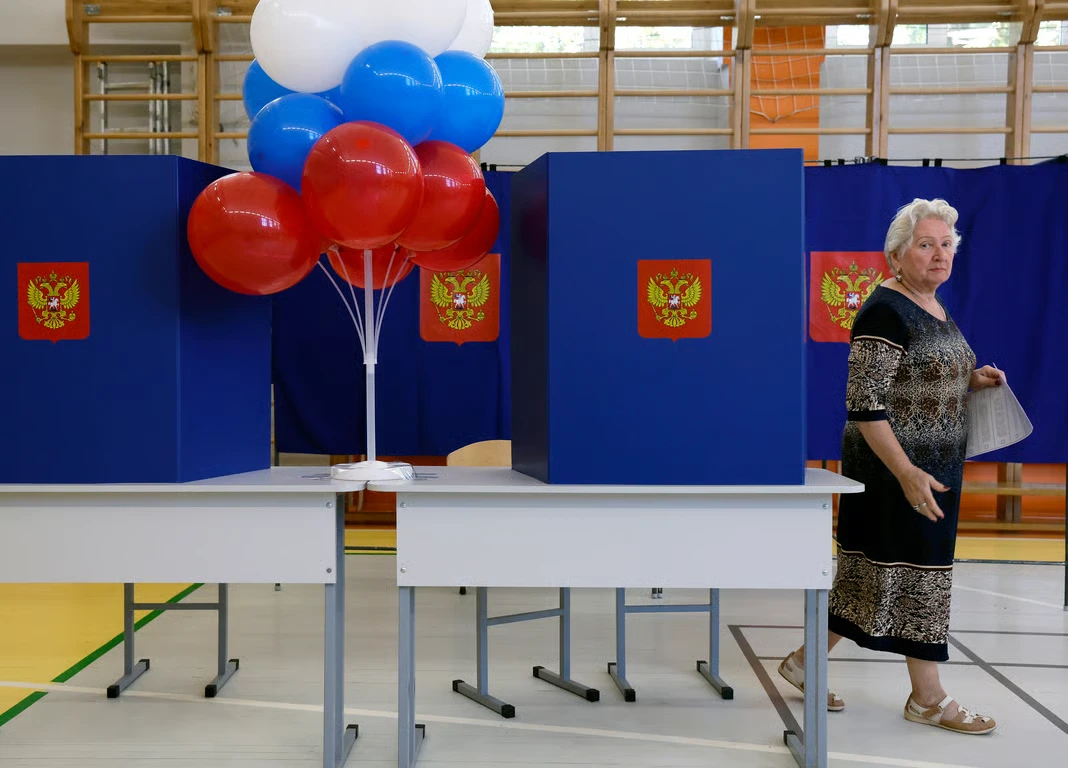
Lower inflation, an end to the war, internet freedom, housing-and-utilities reform, and solutions to core social and economic problems — including low wages — make up the basic set of public demands ahead of the autumn State Duma elections, according to political strategists familiar with closed-door opinion research.
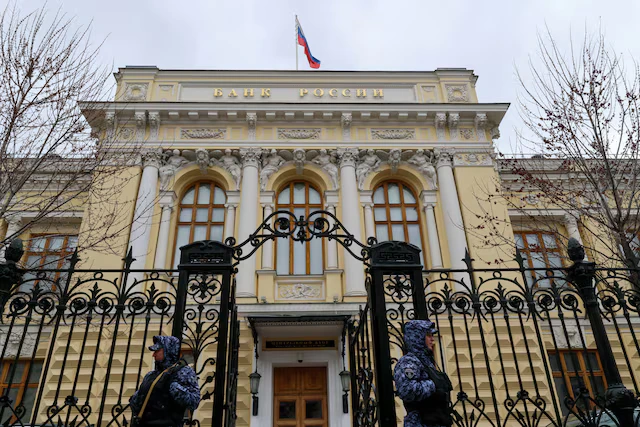
Researchers from HSE University, together with EISI, a think tank close to the Kremlin’s domestic policy bloc, have published a report arguing that issues of national security and identity are moving to the forefront of the electoral agenda, alongside a demand for “normality” and concerns over the cost-of-living crisis.
According to one source, the document serves as expert scaffolding for electoral themes that have already been approved and that political parties are expected to promote actively during the campaign. The claim that national security is the dominant priority, the source said, “directly contradicts the real sociology,” but aligns with the current political environment.
War fatigue is reshaping the campaign
The defining feature of the current election campaign is deep fatigue — among both voters and political administrators — with the war and the events surrounding it. Another hallmark is the fading belief that life can return to the way it was before. Old illusions are being replaced by a new reality.
A Moscow-based sociologist said the main public demands have been studied extensively and have remained stable for several years. Only a few new themes have been added, largely emerging from restrictions and bans — above all, internet freedom and digital rights.
The list of key concerns has changed little: inflation, housing and utilities, and healthcare remain at the top. Demand for security is still the leading issue, but it is closely tied to expectations that the war will end. In the fifth year of the conflict, the source said, it is becoming increasingly difficult to persuade the public that continuing the war will make the country safer.
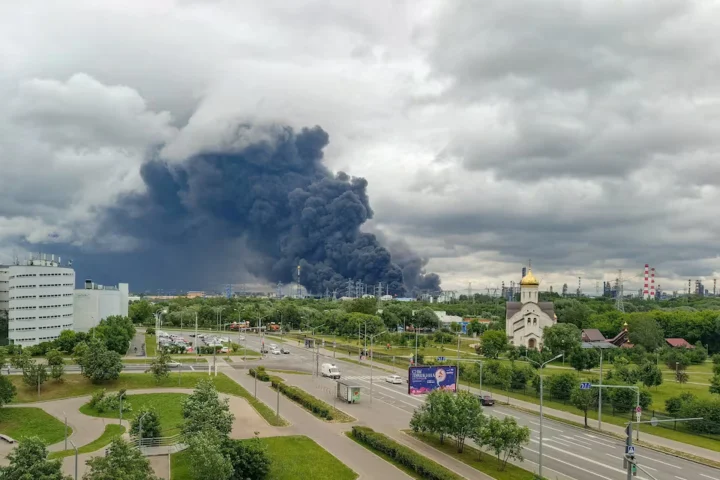
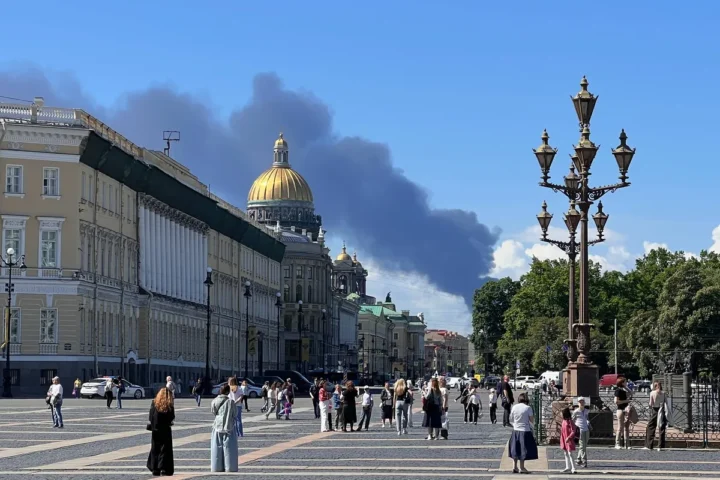
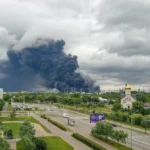
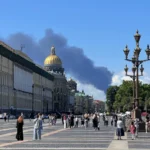
On the contrary, developments in border regions such as Bryansk and Belgorod, along with drone strikes on industrial facilities across the country, are producing the opposite perception.
Official messaging is losing traction
Propaganda narratives surrounding the war are becoming noticeably less effective. According to various polling centers, roughly two-thirds of the population favor ending the war as soon as possible. But the party system is unable to satisfy that core public demand. Instead, there is an effort to repackage it as an agenda of strengthening national security, often accompanied by displays of excessive heroism.
Mobile internet shutdowns have further undermined trust in the very concept of “security,” at least among educated residents of large cities. According to the source, more than 90% of people in Moscow, St. Petersburg and other cities of more than 1 million residents are not prepared to accept that model of “security.” Nationwide, however, that shift in public consciousness is still only beginning to take shape.
Labor rights and redistribution are gaining appeal
Another trend being recorded is rising demand for stronger labor protections. With trade unions having effectively lost influence, and about one-third of employed Russians fearing job loss, the issue is becoming especially salient.
Overall, sources say public sentiment in Russia has moved markedly to the left. The agenda of a social state and redistribution now appears more востребована than imperial rhetoric or right-wing populist themes of “unity in the face of an external enemy,” whose mobilizing potential is gradually being exhausted. It is no coincidence, they add, that security structures are actively moving to neutralize disloyal trade-union activists.
Demand is also growing for solutions to domestic problems: support for small and medium-sized businesses, improvements in quality of life, and a reduction in social inequality. There are growing questions around preserving the status of the self-employed, reducing the tax burden, and shifting more of that burden onto the super-rich. In industrial centers, interest in environmental issues remains high, but the subject has effectively been suppressed, making it difficult for political parties to articulate.
Migration and fraud have lost some of their political force
Migration, too, is losing some of its previous sharpness. After the Crocus City Hall attack in March 2024, there was a surge in demand for tougher migration policies, but much of the political dividend from that issue has now been exhausted.
At the same time, there is growing public recognition of how dependent the economy is on migrant labor.
Protection from fraud remains an important issue, although its mobilizing potential has weakened noticeably. Much of that reflects the fact that fraud has become a background theme used by the state in pursuit of other objectives. Fraud itself, meanwhile, is not being eradicated through police work. By contrast, digital rights look like one of the most promising issues politically, although, according to the source, parties have effectively been advised not to develop the theme publicly.
Parties are expected to focus on secondary issues
During the campaign, parties are expected to roll out a large number of localized initiatives: early retirement for medical workers, support for large families, promises to raise social benefits, and ideas such as direct contracts between residents and housing management companies.
In broad terms, the source concluded, Russia’s party system is in such a condition that it is unable to respond to society’s core demands. The central issue has effectively been taken off the table. In that environment, parties are likely to concentrate on second- and third-tier themes, constructing an appealing but secondary agenda while avoiding direct competition with United Russia for the main electoral resource.