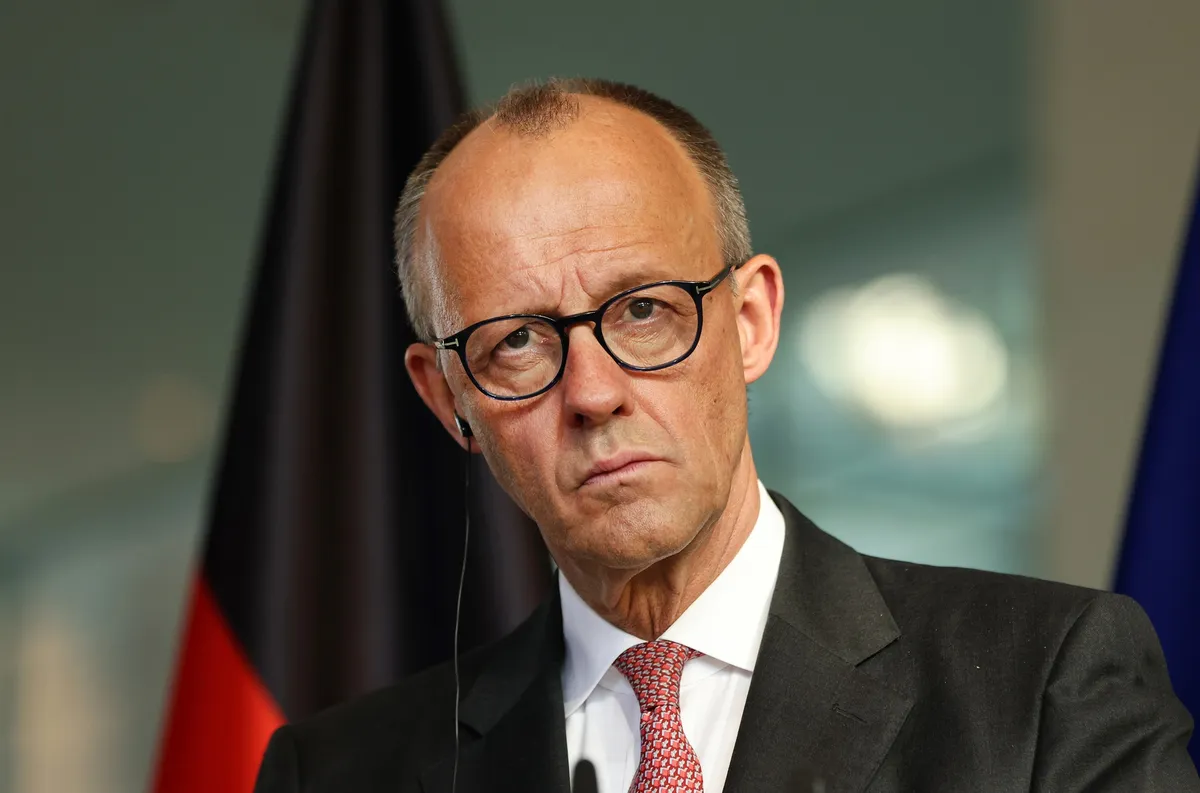
Germany is trying to revive the stalled process of European Union enlargement and is proposing a new format for Ukraine’s closer integration with the bloc: associate membership. According to Bloomberg, the initiative comes from Chancellor Friedrich Merz, who has sent a letter to the heads of the EU’s key institutions.
Berlin’s idea is that Ukraine could become more deeply integrated into European structures now, without waiting for full accession. This format would allow Kyiv to take part in EU meetings, send representatives to the European Parliament and even appoint an associate judge to the Court of Justice of the European Union. However, Ukraine would not have voting rights.
Not “Membership Light,” but a Political Bridge
The most sensitive point in this initiative is the fear that associate membership could become a substitute for real accession. Ukraine has previously been wary of ideas such as a “two-speed Europe” or an interim status that might leave it stuck in a grey zone between candidate status and full membership.
Merz, as Bloomberg reports, is trying to address these concerns. In his letter, he stresses that this is not a form of so-called “membership light.” In his view, associate status should not halt the negotiation process but should give Ukraine a chance to gradually enter the European system even before all formal procedures are completed.
The chancellor already discussed the issue with Ukrainian President Volodymyr Zelenskyy at last month’s European summit. For Berlin, this appears to be a way to show that the EU can move faster, even if full enlargement remains a complex and politically sensitive matter.
Why the EU Is Looking for a New Model
The European Union formally agreed to open accession talks with Ukraine and Moldova in June 2024. But the enlargement process itself remains highly complicated. The Western Balkan countries have been waiting in line for years, and Ukraine’s application has become an additional source of irritation for them: the region fears that Kyiv and Chisinau could move ahead of those who have been waiting for membership much longer.
That is why enlargement will once again be high on the agenda at next month’s EU-Western Balkans summit in Montenegro. By proposing an intermediate format for Ukraine, Germany is effectively trying to find a compromise between political support for Kyiv and the internal logic of the EU, where every new enlargement requires consensus, money and institutional adjustment.
Money and Agriculture Are the Main Points of Dispute
A separate problem is Ukraine’s access to the EU budget. Under the German proposal, Kyiv could gradually be connected to European funding programmes. But not immediately and not in full: the idea is a step-by-step approach.
The Common Agricultural Policy is an especially sensitive issue. If Ukraine becomes a full member of the bloc, it would theoretically be entitled to significant agricultural subsidies. For European farmers and net contributors to the EU budget, this is one of the most contentious elements of Ukraine’s accession bid.
At the same time, Kyiv appears ready for compromise. Ukraine’s Deputy Prime Minister Taras Kachka earlier told Bloomberg that the country could postpone receiving subsidies under the programme for several years. Such a signal may ease concerns inside the EU, although it does not remove the problem entirely.
Enlargement Returns to the Agenda
The EU’s last major wave of enlargement took place in 2004, when ten countries joined the bloc. Bulgaria and Romania followed in 2007. Since then, the enlargement process has slowed considerably, and every new accession has become increasingly politically difficult.
Merz’s proposal shows that Berlin is looking for a more flexible model: not closing the door to Ukraine, but also not promising immediate full membership. For Kyiv, such an option could be a chance to enter the European political space more quickly. For the EU, it could be a way to keep control over enlargement and avoid upsetting the internal balance of its budget, institutions and the interests of both current and future members.
This article was prepared based on materials published by Bloomberg. The author does not claim authorship of the original text but presents their interpretation of the content for informational purposes.
The original article can be found at the following link: Bloomberg.
All rights to the original text belong to Bloomberg.