Brent crude prices have fallen below the level at which they stood before the war around Iran began. According to The Financial Times, market participants increasingly believe that the acute phase of the crisis is over and that supplies from the Gulf are gradually returning to normal.
On Thursday, the international benchmark Brent fell by about 1.8% to around $72.40 a barrel. That put it below the $72.48 mark recorded in late February, on the eve of the US and Israeli strikes on Iran. For the oil market, this became an important psychological signal: traders stopped pricing in the immediate risk of another disruption to supplies.
The structure of prices also reflects the market mood. Oil for delivery later this year became more expensive than near-term contracts. Such a pattern usually suggests that, in the short term, there is enough crude on the market — or even too much. After weeks of tension, traders interpreted the renewed movement of tankers from the Gulf as a sign that old logistics routes were being restored.
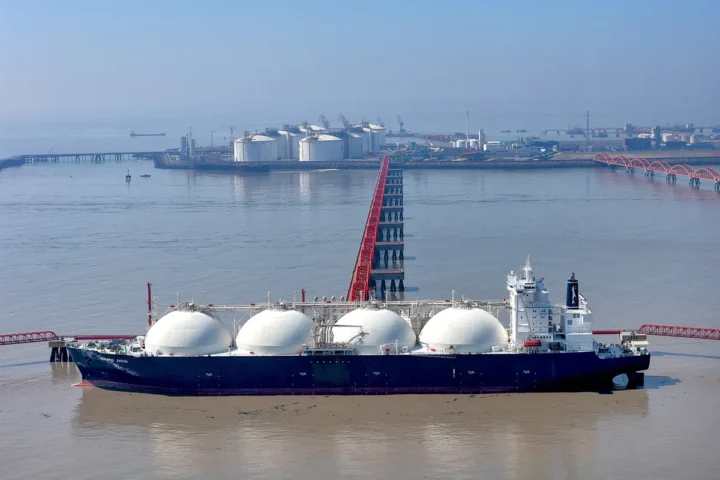
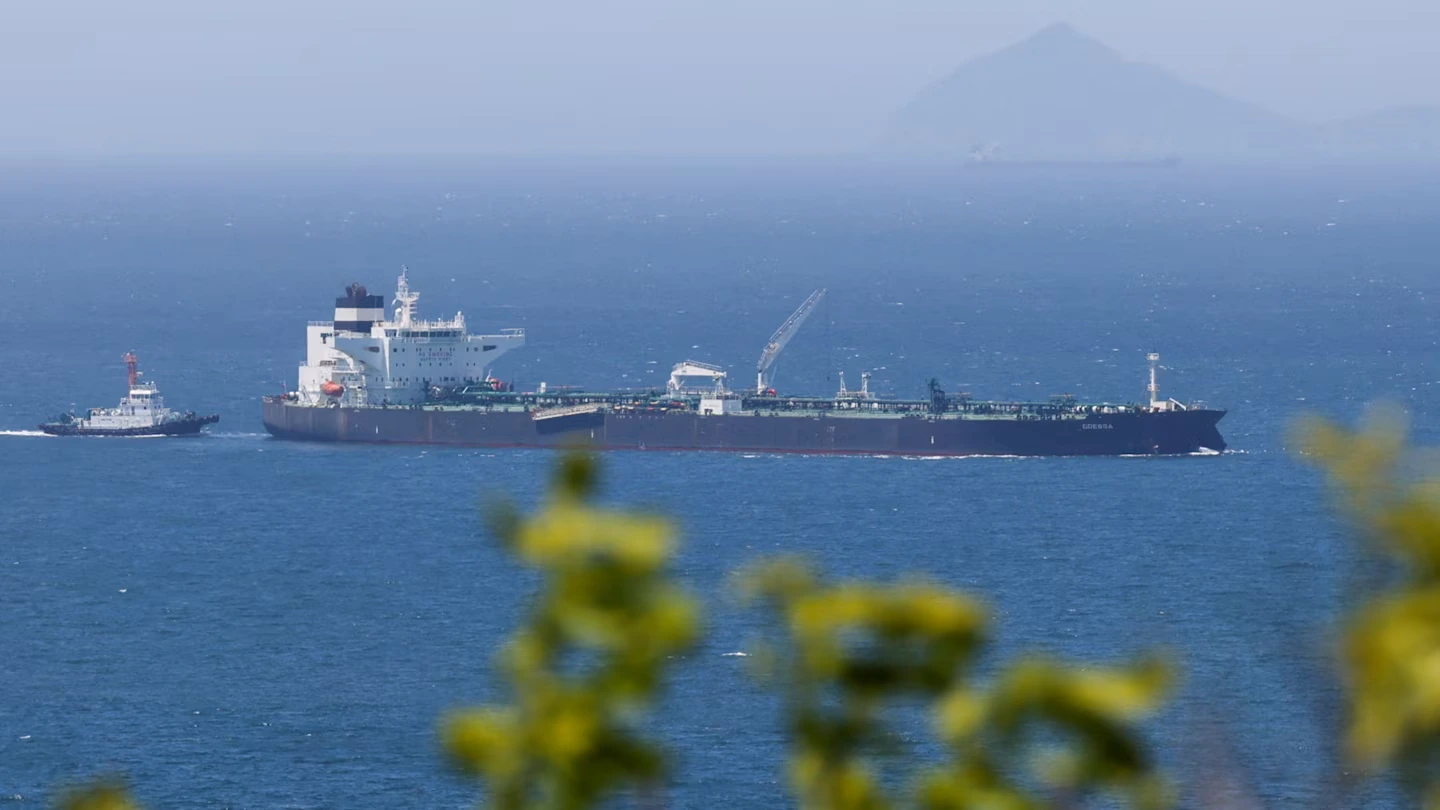
According to ship-tracking data from Windward, 31 tankers left the region on Wednesday — almost 50% more than the day before. This strengthened the impression that the accumulated volumes of oil, which had long been blocked because of the conflict and restrictions in the Strait of Hormuz, were finally beginning to enter the global market. Earlier, according to industry estimates, more than a billion barrels of oil had effectively been trapped in the Gulf, while some producers were forced to cut production or halt exports.
Still, experts warn that the current fall in prices may be misleading. Francis Osborne of Argus Media believes that traders are now pricing in a “return to normality,” but are not sufficiently taking into account the risks that remain over the longer term. In his view, the danger of renewed complications has not disappeared, although selling pressure on the market is now so strong that going against it would be risky.
The state of global inventories is a particular concern. During the conflict, countries actively drew on reserves to compensate for disruptions in supplies from the Gulf. Amrita Sen, founder of Energy Aspects, notes that inventories have been significantly depleted and are now at extremely vulnerable levels. However, she says, the market has chosen to look past this factor, assuming that the crisis cannot continue indefinitely.
Sen believes that the current sell-off in oil does not necessarily mean prices will remain sustainably low. In her assessment, the new floor for Brent could be in the range of $80 to $90 a barrel. She allows for the possibility that prices could start rising again in about a month, once the oil accumulated on tankers in the region has been moved and the temporary surplus disappears.
Short-term sentiment has also been influenced by statements from President Donald Trump’s administration. Washington says that significant volumes of oil are once again passing through the Strait of Hormuz. US Energy Secretary Chris Wright said that around 20 million barrels of crude left the strait in 24 hours on 72 vessels — almost one-fifth of global daily consumption. Another factor was the temporary removal of US sanctions on Iranian oil for 60 days, which strengthened expectations of increased supply.
Analysts, however, emphasize that the sharp jump in Gulf exports should not be seen as a full recovery of the market. Paul Horsnell, an independent analyst and chair of the board of the Oxford Institute for Energy Studies, believes that current volumes largely reflect the release of previously accumulated cargoes rather than a stable increase in production. In his words, oilfields will need time to restart, while tankers will need time to return to normal routes.
In other words, the market may face a temporary surplus of oil in the coming weeks, but after that the balance could become more strained again. Horsnell believes that supply and demand may approach equilibrium only by October — provided that the peace process does not collapse and no new disruptions occur in the region.
For now, the oil market finds itself in a paradoxical situation. Prices are falling as supplies resume, but the fundamental risks remain high: inventories are depleted, production cannot recover instantly, and the Strait of Hormuz remains one of the most vulnerable points in the global energy system. That means Brent’s return to prewar levels may not be the start of a long period of cheap oil, but rather a brief pause after an acute crisis.
This article was prepared based on materials published by The Financial Times. The author does not claim authorship of the original text but presents their interpretation of the content for informational purposes.
The original article can be found at the following link: The Financial Times.
All rights to the original text belong to The Financial Times.